

Greeks in London have one more thing to plan around this winter. The RMT union has announced eight 24 hour tube strikes by London Underground drivers, starting on Thursday 26 November and running through the Christmas period and into February. If you commute into town, fly home for the holidays or have tickets for a Greek night, here is what the strikes mean, which lines are expected to stop, and the Greek List members who can make a difficult day a little easier.

The dispute is about a new four day working week for drivers. Transport for London says it is voluntary and means fewer hours overall. The RMT says it forces drivers into longer, less predictable shifts and strips away existing agreements. The other drivers’ union, Aslef, has accepted the changes and is not striking, which is why trains will still run on most lines, just far fewer of them. IanVisits has the full background.
Each strike lasts 24 hours from midday, so the pain is concentrated in the evening rush hour, the following morning and a couple of hours either side. For Greeks in London that means two half days of chaos per strike, and the morning of the strike day itself should be close to normal.

Write these in your calendar now. Every strike starts at 12:00 on the day shown and ends at 12:00 the next day:
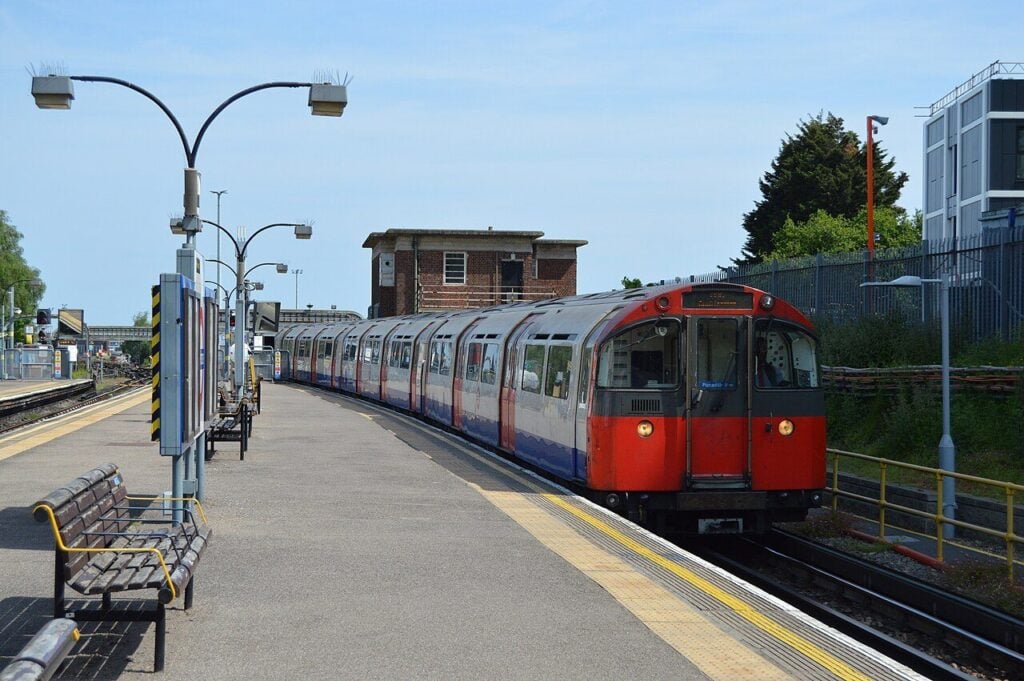
Transport for London has not yet published line by line plans. Based on the earlier strikes in the same dispute, IanVisits expects no service at all on the Circle line and the Piccadilly line, on the Metropolitan line between Baker Street and Aldgate, and on the Central line between White City and Liverpool Street. Everything else should run with a reduced and unpredictable service. The Elizabeth line, the Overground, the DLR, trams and buses are not part of this strike, although they will be far busier than usual.
Before you travel: check the TfL status page the evening before each strike and again in the morning. Plans can change at the last minute if talks progress.

The strike on Saturday 19 December lands in the busiest flying weekend of the year for Greeks in London, and the Piccadilly line, the cheapest way to Heathrow, is the line most likely to stop completely. If your flight to Athens, Thessaloniki or Larnaca is on or just after a strike date, build your route around Paddington. The Elizabeth line runs to all Heathrow terminals from Paddington, Bond Street, Tottenham Court Road, Farringdon, Liverpool Street and Stratford, and the Heathrow Express does it from Paddington in 15 minutes. Neither is driven by London Underground staff, so neither is on strike, but expect queues and allow an extra hour.
For Gatwick, Stansted and Luton the national rail links from Victoria, London Bridge, St Pancras and Liverpool Street are unaffected. The risk is the tube journey to those stations, so leave early, take a bus or book a cab for the first leg.
Getting there: Paddington is served by the Elizabeth line, Bakerloo, Circle, District and Hammersmith & City lines. On strike days plan for the Elizabeth line, a bus or a walk.
Greek stop nearby: It’s All Greek To Me on Praed Street is two minutes from the Paddington entrance, ideal for a souvlaki before a late flight. Halepi on Leinster Terrace in Bayswater, a ten minute walk away, is the sit down option when your train is delayed and you want kleftiko rather than a sandwich.
Book the flights with a Greek travel agent: Vozis Travel in Milton Keynes books flights, ferries and hotels for Greeks across the UK. On a strike day a human agent who can rebook you in Greek beats a chatbot queue, and Christmas fares only go up from here.

Most London employers have been through enough strikes to be flexible, but know the basics. In general there is no automatic right to be paid if you cannot reach the office because of a strike, unless your contract or company policy says otherwise. Most companies will let you work from home, start late or take the day as holiday, so agree the plan with your manager before 26 November rather than on the morning. If you are hourly paid, in hospitality or on a zero hours contract, ask how strike days will be treated and keep the answer in writing.
Alternatives that keep running: Elizabeth line, Overground, DLR, trams, buses, Thames Clippers and Santander Cycles. Walking between central stations is often faster than queueing for a bus.
Greek legal help nearby: Lemian and T Solicitors on Great Portland Street in Fitzrovia advise individuals and businesses in Greek and English on employment, contracts and commercial questions. If a strike day turns into a dispute with an employer, or you need to review your own staff policy, start there.

If you live in East London you are in better shape than most. Stratford has the Elizabeth line, the Overground, the DLR, Greater Anglia and c2c as well as the Central and Jubilee lines, so even with the Central line reduced you can still reach Liverpool Street, Canary Wharf, Paddington and Heathrow without a London Underground driver. The Greeks in London who commute from Stratford to Canary Wharf should survive the strike with nothing worse than a longer wait on the platform.
Getting there: Westfield Stratford City is a two minute covered walk from Stratford station and Stratford International.
Greek stop nearby: EPIC in the food hall at Westfield Stratford City serves proper Greek street food, gyros, souvlaki and loukoumades, a few steps from the station. On a strike evening it beats standing on a crowded platform waiting for the next Jubilee line train.
The first strike evening, Thursday 26 November, clashes with two Greek events: the piano recital with Costas Fotopoulos at the Hellenic Centre in Marylebone and DJ Silence Live in Southgate. Southgate is on the Piccadilly line, which is expected to have no service, so book a cab, check the bus routes or arrange a lift with friends. The Hellenic Centre is a short walk from Baker Street, which should keep a reduced Jubilee and Bakerloo service, and from Marylebone national rail.
If you drive, strike days bring the worst traffic of the winter and the congestion charge still applies. If you are new in town, sort out a contactless card or Oyster now, because buses do not take cash. And for Greeks in London who work shifts or nights, the hours around midday on strike days are usually the calmest window to get across town.
The strikes are two and a half weeks away, so the next ten days are a good time to be out. Our Greek events in London page is the most complete list of Greek events in the UK, and listing an event is free. Coming up:
The businesses featured in this guide are Greek List members. More than 100,000 Greeks and Cypriots in the UK read Greek List every month on the site, in the newsletter and in the Ellines sto Londino Facebook group, and Greek List listings rank first on Google for the searches your customers make. If you want Greeks in London to find you on the days they need you most, this is the place.
How are you planning around the strikes? Share your route tips in the Facebook group Ellines sto Londino.