

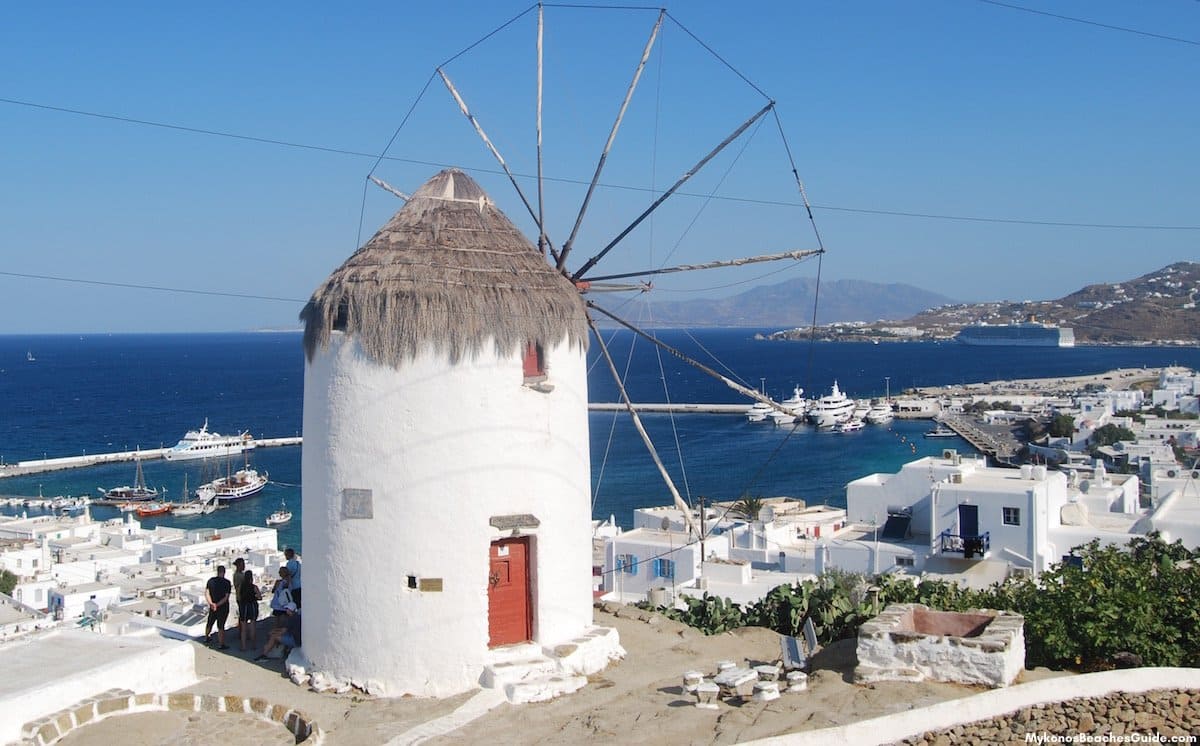
Welcome to the ultimate Mykonos travel guide for 2026. Mykonos arrives as a spectacle — a whitewashed labyrinth tumbling down to a glittering Aegean harbour, windmills turning slowly against a sky of impossible blue, and somewhere behind the shuttered church walls, the low pulse of music that never quite stops. This is Greece’s most glamorous island, and it earns the title every time.
Table of Contents
There is something almost theatrical about arriving in Mykonos for the first time. The ferry slides into the old harbour and there it all is — the famous windmills silhouetted on the hill, the row of colourful Venetian balconies that tumble over the water at Little Venice, the sugar-cube houses climbing over each other in a dazzling confusion of white. You had seen the photographs, of course. And yet nothing quite prepares you for the real thing.
The island — known as The Island of the Winds on account of its fierce meltemi breezes — sits at the heart of the Cyclades, a 85-square-kilometre canvas of granite hills, sacred mythology, and modern spectacle. Its permanent population is only around 10,000 people, though in the height of summer it swells to something closer to a small city. There is no contradiction here that the Mykonians cannot absorb: the ancient and the fashionable, the sacred and the hedonistic, the hidden chapel and the rooftop infinity pool with sunset cocktails.
This was once a poor island — rocky, windswept, with limited agricultural resources — whose people made their living by the sea and by their wits. The same geographic qualities that made farming difficult made Mykonos spectacular to look at, and when the world discovered it in the 1950s and 60s, there was no going back. Jackie Kennedy, Brigitte Bardot, Grace Kelly and many others — the jet set found the island and put it on the map in the most glamorous way imaginable. Today, Mykonos is the cosmopolitan crown of Greek island travel: a destination that rewards those who look beyond the beach clubs and discover the winding kalderimia (cobbled lanes) of Chora, the extraordinary sacred island of Delos just off the coast, and the quiet villages of the interior that have scarcely changed in a century.
Come for the beaches and the parties if you wish — they are among the finest in Europe. But stay for the rest of it, too.
Whitewashed windmills, a legendary Aegean harbour, and beaches that run from the serene to the sublime — welcome to the jewel of the Cyclades!
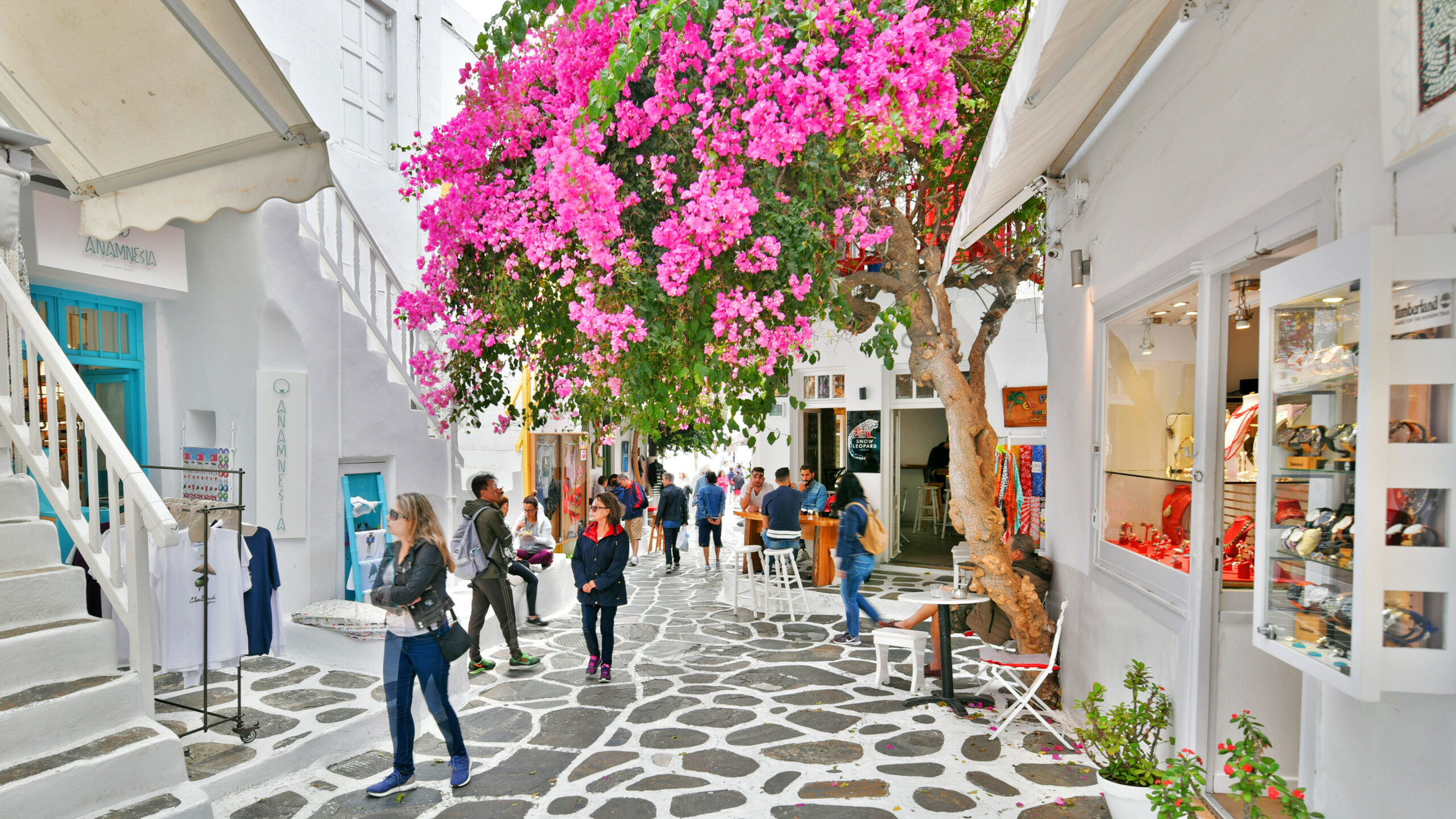
The famous streets of Mykonos
Mykonos traces its origins to myth, where Hercules was said to have battled Giants, leaving their bodies as the island’s rocky landscape. Its name may derive from “mykon,” meaning a rocky place, or from Mykons, linked to nearby Delos—one of antiquity’s most sacred sites and the legendary birthplace of Apollo and Artemis. In ancient times, Mykonos functioned largely as a support island for Delos, hosting pilgrims and traders, and later joined the Delian League after the Persian Wars.
Through the centuries, Mykonos passed from Roman to Byzantine control before being reshaped by the upheavals of the Fourth Crusade in 1204. Venetian rule followed, turning it into a modest but active trading hub. In 1537, the Ottoman admiral Hayreddin Barbarossa brought the island under Ottoman sovereignty, though it retained a degree of self-governance. During this period, Mykonos developed its maritime strength, while its maze-like streets were said to be designed to confuse pirates and invaders.
The island played a notable role in the Greek War of Independence, led by heroine Manto Mavrogenous, who funded and fought for the cause. After independence in 1830, Mykonos prospered quietly until the late 19th century, when archaeological interest in Delos brought visitors. By the mid-20th century, artists, intellectuals, and international elites transformed it into a cosmopolitan destination, and by the 1970s it became known for its openness and vibrant cultural scene—laying the foundation for its modern global reputation.
The rest, as they say, is glamour.
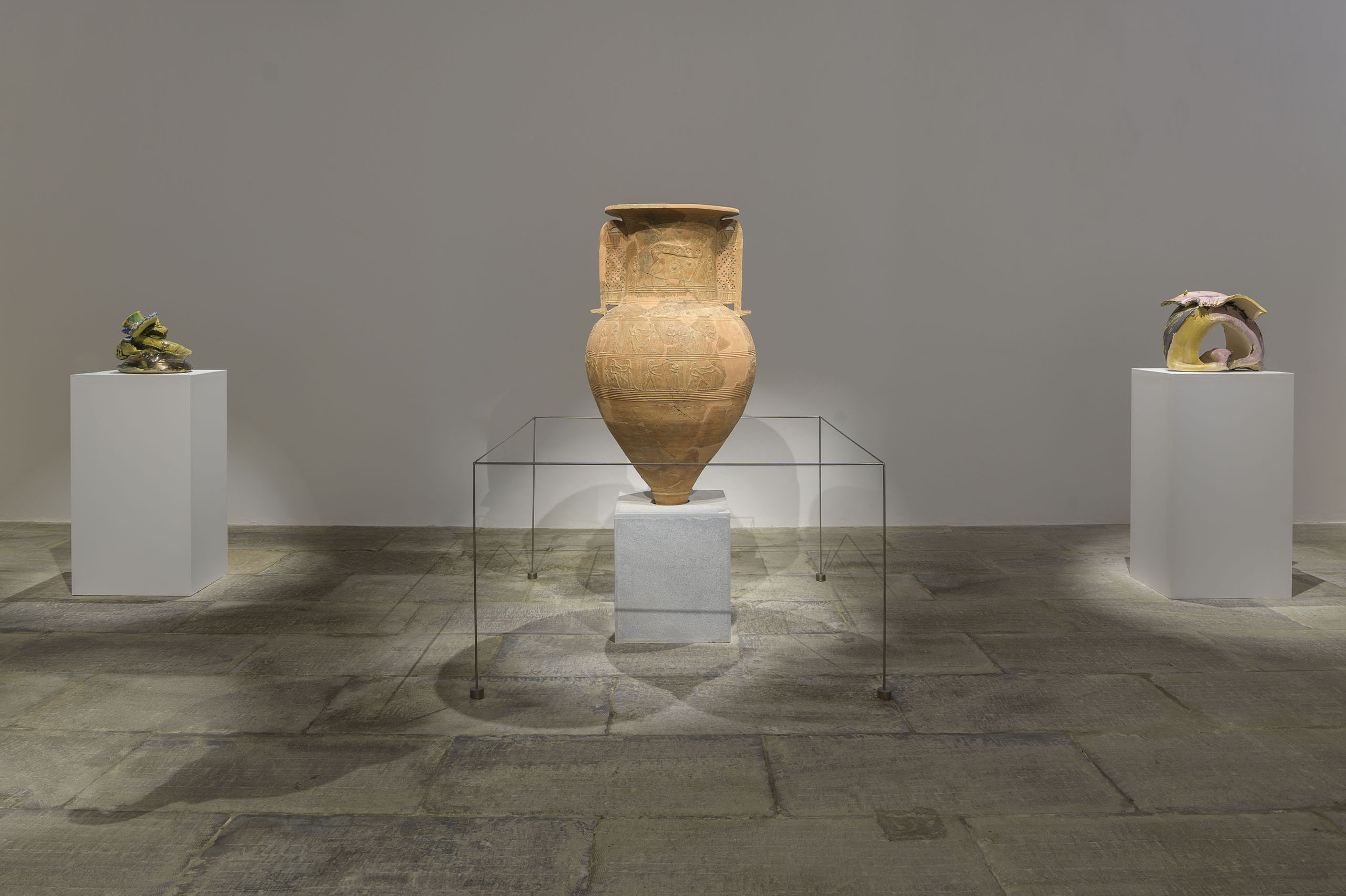
The Archeological Museum of Mykonos
Reaching Mykonos from the UK is straightforward, and once you are there, the difficulty of getting home will feel like the only real problem.
By Air — Direct Flights
Mykonos is served by Mykonos International Airport (JMK), located approximately 4 km from the centre of Chora — a 10-minute taxi ride or a 15–20 minute bus journey.
By Air — Via Athens
Flying into Athens Eleftherios Venizelos Airport (ATH) opens up far more options year-round. From Athens, domestic flights with Aegean Airlines or Sky Express reach JMK in about 45 minutes. This route is worth considering in shoulder season (April–May and September–October) when direct UK–JMK services are limited.
By Ferry
For the adventurous traveller already in Greece, Mykonos is served by fast ferries from Piraeus (Athens’ port), with crossing times of around 2.5 hours on the high-speed hydrofoil services (Hellenic Seaways, Golden Star Ferries, Seajets). Conventional ferries take around 5–6 hours. Ferry connections also run between Mykonos and Santorini, Naxos, Paros, Syros, and other Cycladic islands — making island hopping entirely feasible.
Practical tip: Book flights to Mykonos 6–8 weeks in advance for the best prices in peak season, and much further ahead if you are travelling in July or August. For July and August, booking 4–6 months ahead is advisable.
Book your tickets here!
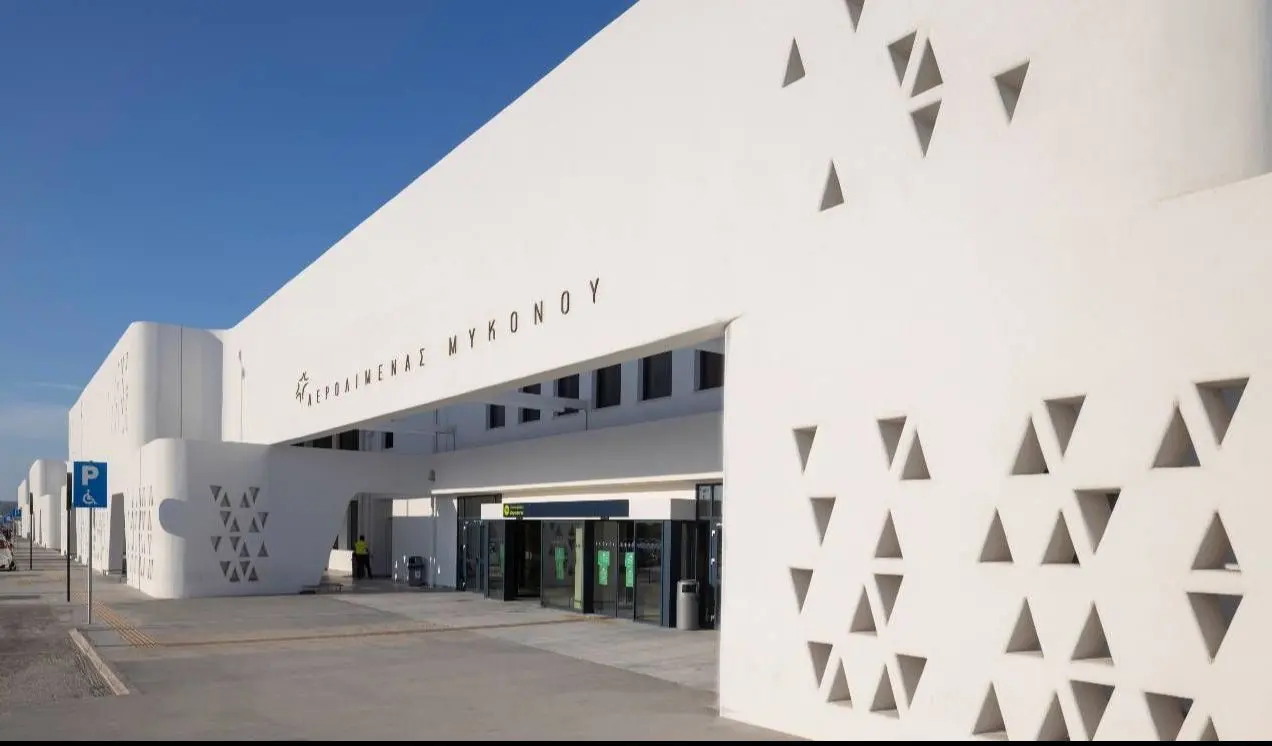
Mykonos Airport
Mykonos has a classic Mediterranean climate — long, hot, and brilliantly sunny summers, mild and occasionally wet winters, and shoulder seasons that are among the finest in the Aegean. The island’s nickname, “The Island of the Winds,” is well earned: the meltemi winds of high summer can be dramatic, cooling the heat considerably (and making certain beaches on the northern coast genuinely wild and surf-worthy).
| Month | Avg Temp
(°C) |
Rainfall | Sunshine
(hrs/day) |
Crowd
Level |
|---|---|---|---|---|
| January | 11°C | High | 5 | Very Low |
| February | 11°C | High | 6 | Very Low |
| March | 13°C | Moderate | 7 | Low |
| April | 17°C | Low | 8 | Low |
| May ✓ | 21°C | Very Low | 10 | Low–Medium |
| June ✓ | 25°C | Very Low | 11 | Medium |
| July | 27°C | Negligible | 12 | Very High |
| August | 27°C | Negligible | 12 | Very High |
| September ✓ | 24°C | Very Low | 10 | Medium |
| October | 20°C | Moderate | 8 | Low |
| November | 16°C | High | 6 | Very Low |
| December | 13°C | High | 5 | Very Low |
The finest months to visit Mykonos are, without question, May, June, and September. In May, the island is flowering, the sea has warmed to swimming temperature (around 19–20°C), and the crowds are a fraction of what they become in August. June delivers the full Mykonian summer — brilliant sunlight, warm seas, the beach clubs beginning to come alive — without the genuinely overwhelming press of peak season. September is a revelation: the meltemi has quieted, the sea is at its warmest (26°C), the light is golden, and the island exhales into a beautiful late-summer calm. Locals reclaim their island; the most popular restaurants are still buzzing but no longer require a week’s advance booking; and the evenings carry the first cool edge of autumn without yet losing their warmth.
July and August are extraordinary in their way — the world’s most glamorous DJs, an unmatched beach party atmosphere, and the island at full, glorious excess — but they come at the price of significant crowds, elevated costs, and a pace that can be exhausting.
Check the weather in Mykonos, here!
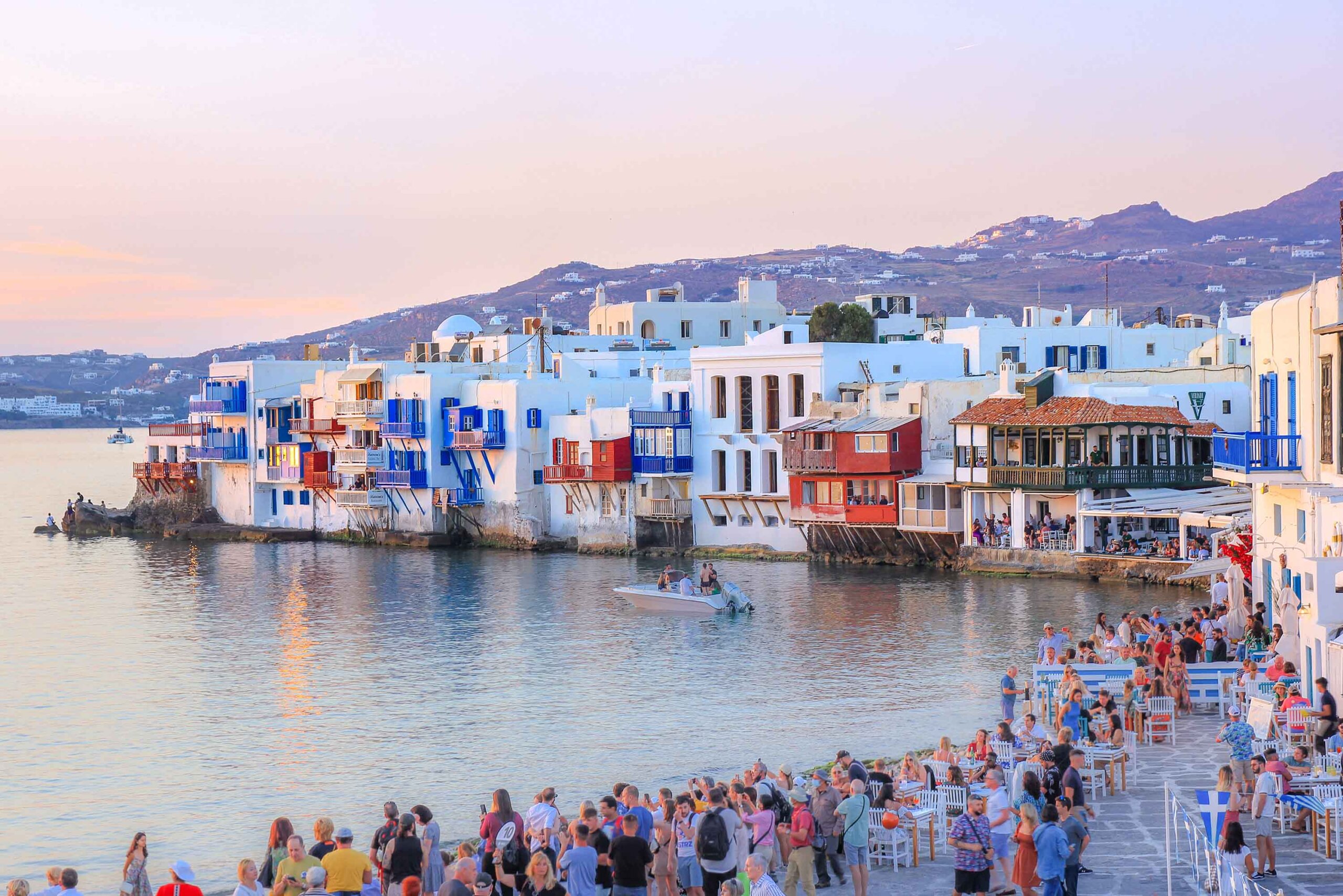
Little Venice, Mykonos
Chora (Mykonos Town): The heart of the island, Chora is a pedestrianised labyrinth of whitewashed houses, tiny churches, bougainvillea-draped alleys, and sudden sea views that simply cannot be planned. You will get lost here — and that is entirely the point. The streets were, by local legend, designed to confuse pirates, and they still work their disorientating magic on visitors today. Go early in the morning, before the cruise ships arrive, when the lanes are quiet and the light is extraordinary.
Paraportiani Church: One of the most photographed buildings in Greece — and the photography is deserved. This asymmetrical cluster of five small whitewashed chapels, built gradually between the 15th and 17th centuries in the Kastro district near the Old Port, seems to flow and undulate rather than stand solidly. It is classified as a national monument for its extraordinary representation of Cycladic architecture. The exterior is the thing; the interior is rarely open to visitors.
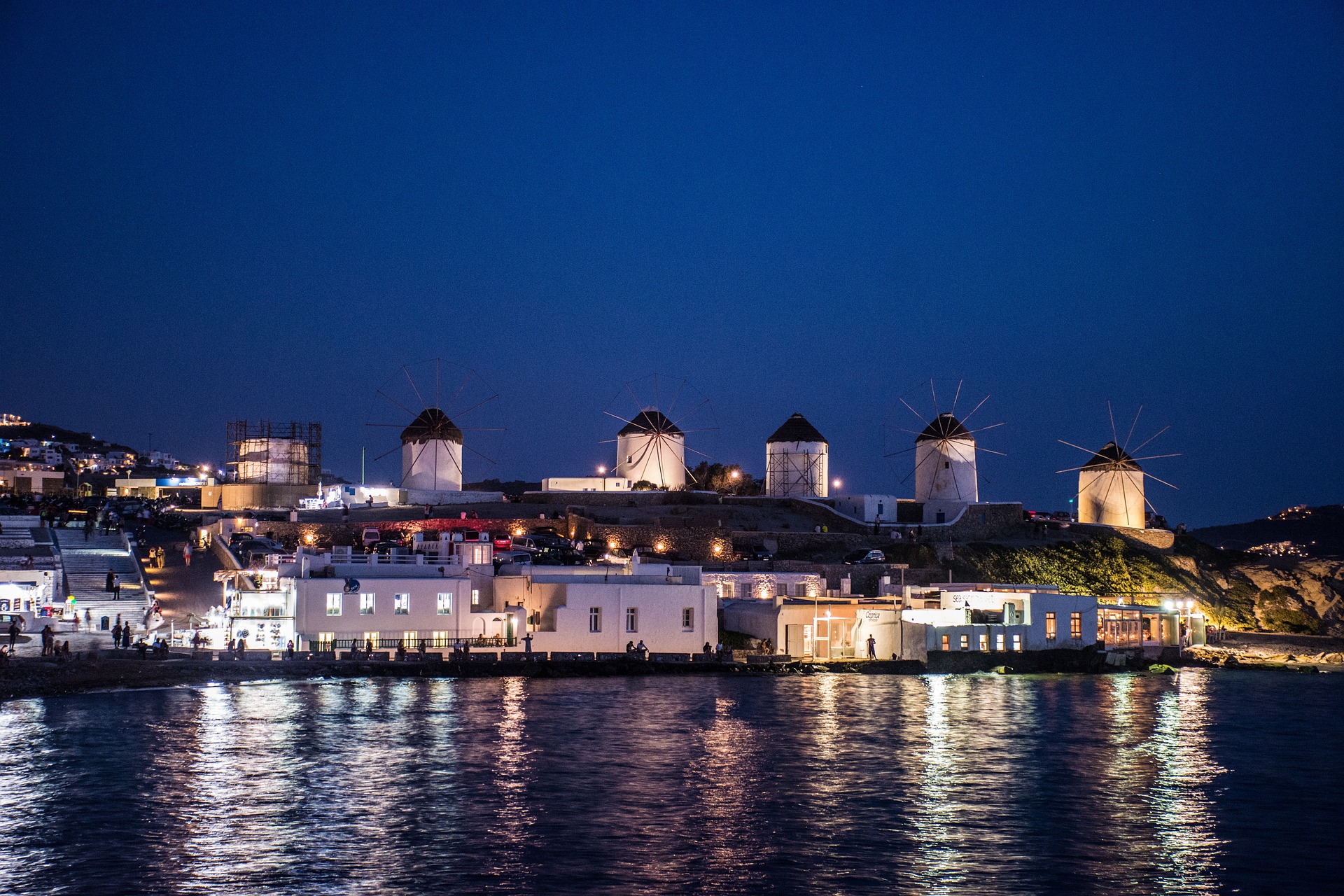
The Windmills of Kato Mili: Seven of Mykonos’s famous windmills stand in a row on the hill above Chora, their white cylindrical forms and thatched caps gazing over the harbour. Built in the 16th century to mill flour for the island’s sailors, they are the island’s most recognised landmark and its finest sunset-watching spot. The light as it falls over the old harbour in the evening hour is something you will carry with you long after you leave.
Little Venice (Alefkandra): A row of elegant 18th-century Venetian-style houses with overhanging wooden balconies built directly above the water — so directly, in fact, that the waves crash against their foundations. At sunset, when the light turns everything amber and the sea churns foam against the old stone walls, Little Venice is one of the most romantic sights in the whole of Greece. The bars and café terraces that line it make the most of the position; pull up a seat with a glass of Assyrtiko.
Manto Mavrogenous Square: The lively epicentre of Mykonos Town, looking out over the Old Port, dominated by a statue of the island’s great revolutionary heroine. The square is ringed with restaurants and café terraces; it is the natural place to begin or end a day of exploring Chora, and a spot where the island’s caffeinated morning rhythm begins.
The Archaeological Museum of Mykonos: Built in 1905 and one of the oldest museums in Greece, this whitewashed neoclassical building near the harbour houses finds from Mykonos, Delos, and Rhenia — including ceramic pottery from the 9th to 8th century BC and its most treasured exhibit: a large vase from Tinos depicting scenes from the fall of Troy.
Ano Mera Village: The island’s second largest settlement, tucked into the interior away from the coast, is the Mykonos that the beach clubs do not show you. Its central square is ringed with family tavernas, local kafeneions, and pastry shops; the pace is entirely different from Chora. At its heart is the Panagia Tourliani Monastery, founded in 1542, with its ornate carved marble bell tower and small collection of Byzantine religious objects.
Mykonos Folklore Museum: Housed in a traditional 18th-century residence, it contains period furniture, embroidered textiles, ship models, and everyday objects that reconstruct the domestic and maritime culture of Mykonos. It is compact but intellectually rewarding—particularly if you want context behind the island’s aesthetic.
The Armenistis Lighthouse: At the northwestern tip of the island, perched on the Cape Armenistis cliffs 184 metres above the Aegean, this working lighthouse feels genuinely remote — a world away from the bars of Little Venice. It is a 6.5-km drive from Chora and one of the finest sunset viewpoints on the island, looking out across the sea toward Tinos and beyond.
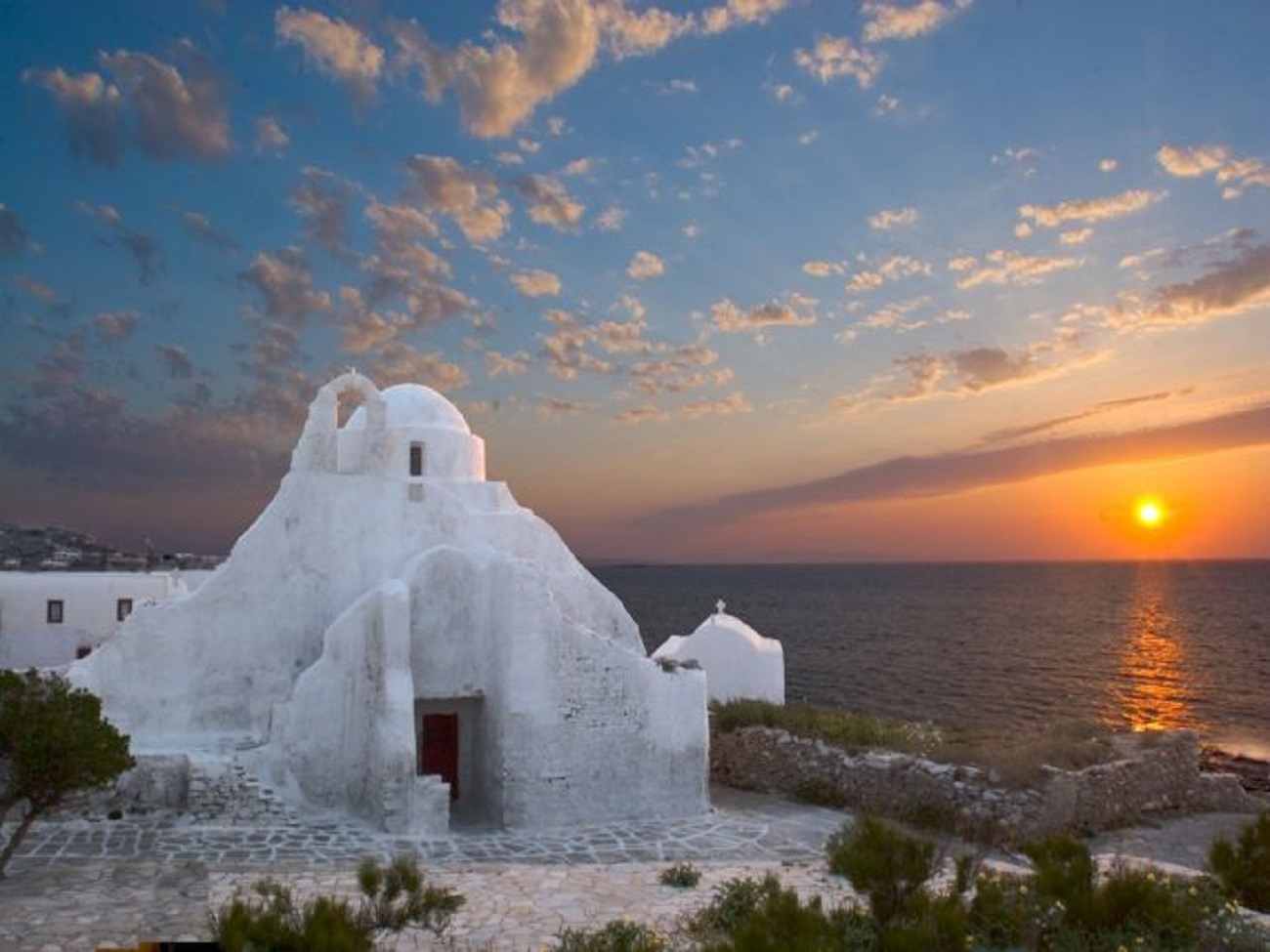
The Church of Panagia Paraportiani
Mykonos has over 25 beaches and the variety is remarkable, but don’t miss the following:
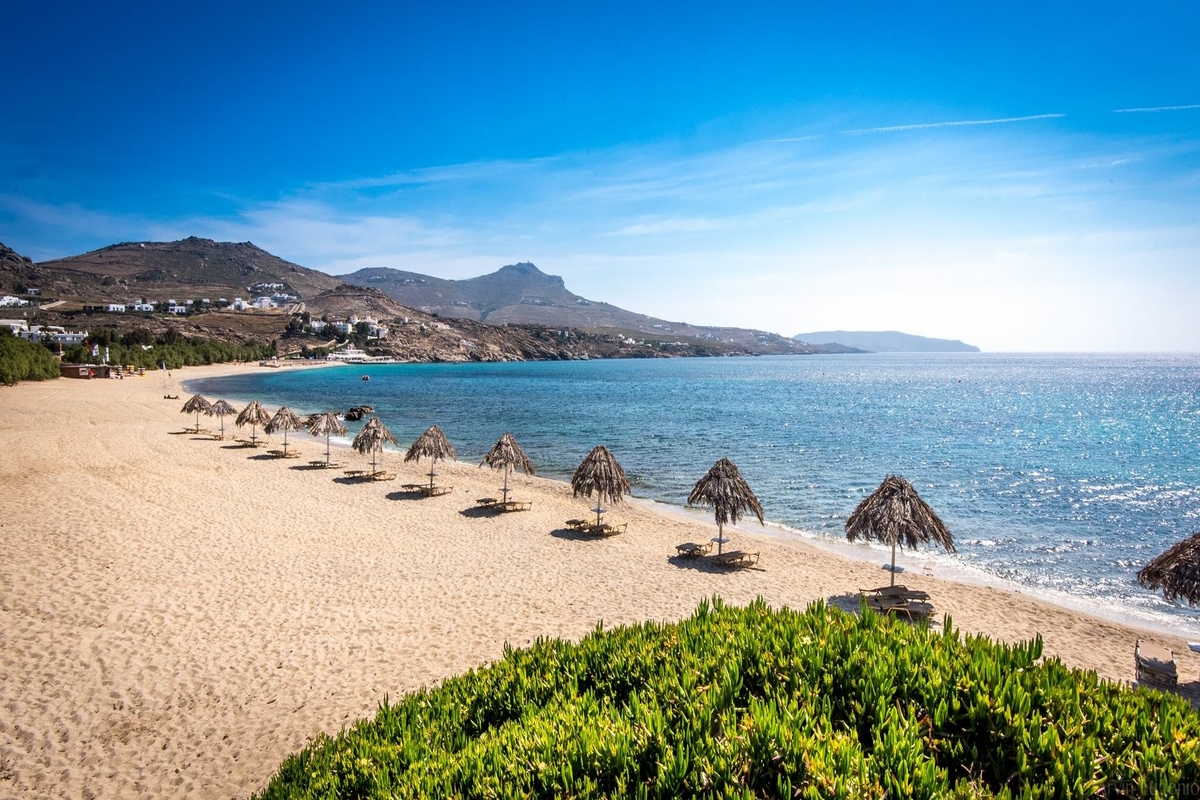
Kalafatis Beach
The cuisine of Mykonos is a fine thing entirely its own. While the island has absorbed the full sweep of international fine dining and beach club gastronomy, its culinary identity is rooted in traditional Cycladic flavours that have been nourishing islanders and sailors for centuries — cured meats, fermented cheeses, sun-dried sausages, fresh Aegean fish, and a simplicity of preparation that respects remarkable ingredients. To eat here is to taste the island’s past as much as its present.
Kopanisti: Mykonos’s most distinctive product — a spreadable, fermented cheese made from sheep’s, goat’s, or cow’s milk with a peppery, spicy intensity that some have called the “Greek Roquefort.” It takes several months to produce and has a Protected Designation of Origin. Spread it on a barley rusk with a ripe tomato and a drizzle of olive oil — this is the mostra, one of the island’s most beloved simple pleasures.
Louza: The Mykonian answer to prosciutto. Cured pork tenderloin, marinated with salt, pepper, allspice, cinnamon, and other spices, then air-dried and sliced paper-thin. Rich, slightly sweet, and deeply flavouring — an essential meze with a glass of local Assyrtiko or a shot of ouzo.
Mykonian Sausage: Unlike most Greek sausages, the Mykonos variety is sun-dried rather than smoked — a product of the island’s windswept, woodless terrain. Seasoned with savory (throubi), pepper, oregano, and salt, they have a lean, intensely flavoured character that locals have been perfecting for centuries.
Ksinotiri: A sharp, sour fresh cheese made from sheep, goat, or mixed milk — a relative of the more widely known feta but with a distinctly tangy, almost acidic character. Served as a table cheese, with olives, or crumbled into salads.
Mostra: A simple but iconic appetizer made with barley rusks topped with kopanisti cheese, tomatoes, olive oil, and sometimes louza. It’s similar to Cretan dakos but with a spicier twist.
Kremydopita (Onion Pie): A savory pie made with caramelized onions, herbs, and sometimes cheese, wrapped in thin pastry. It reflects the island’s reliance on humble, locally available ingredients.
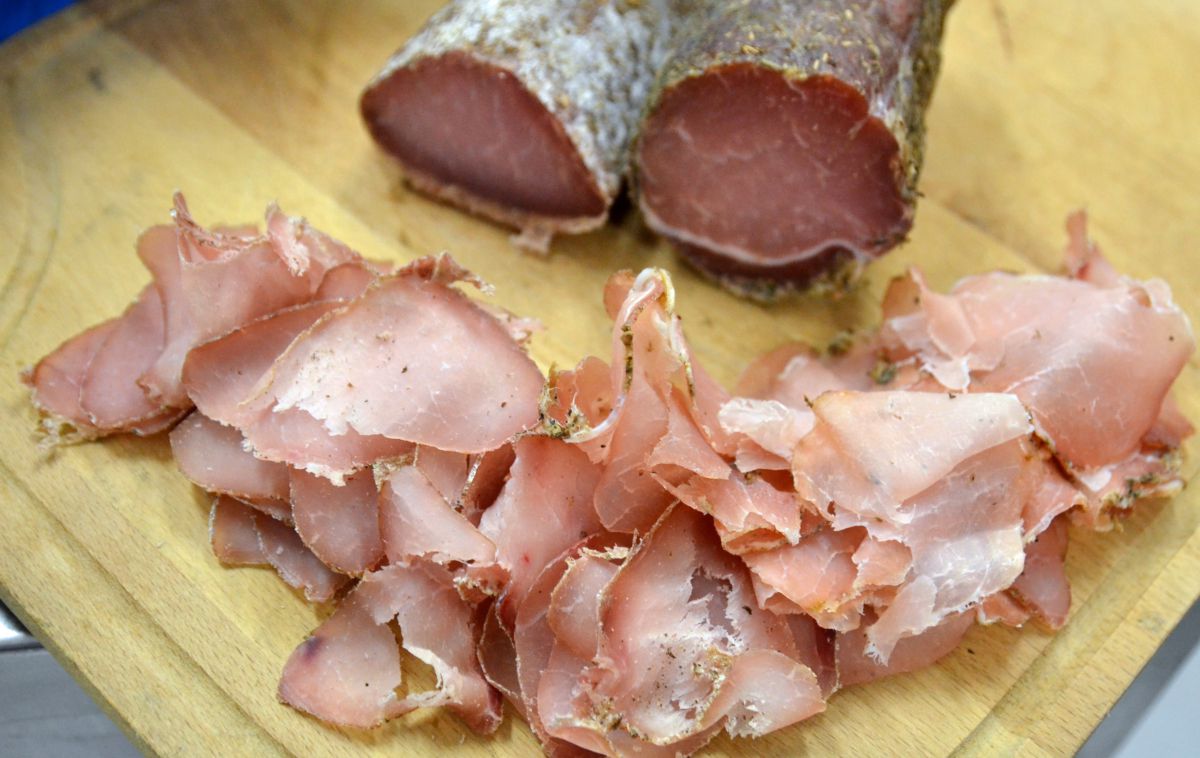
Louza, the Mykonian prosciutto
Baboulas Ouzeri – Traditional Greek taverna known for seafood and meze.
Karavaki Restaurant – Greek/Mediterranean dishes with classic island flavors.
NOA Greek Taverna – Authentic Greek cuisine with modern presentation.
BAOS Greek Restaurant – Contemporary Greek dining with local ingredients.
Kazarma Mykonos – Traditional Greek menu with daily specials.
Kalita – Upscale Greek/Mediterranean cuisine in a garden setting.
Oregano – Casual Greek spot with classic dishes like souvlaki.
Krama Restaurant – Modern Greek gastronomy with refined flavors.
Narcissus Mykonos Restaurant – Contemporary Greek dishes with a fine-dining approach.
For more restaurants in Mykonos, check here!
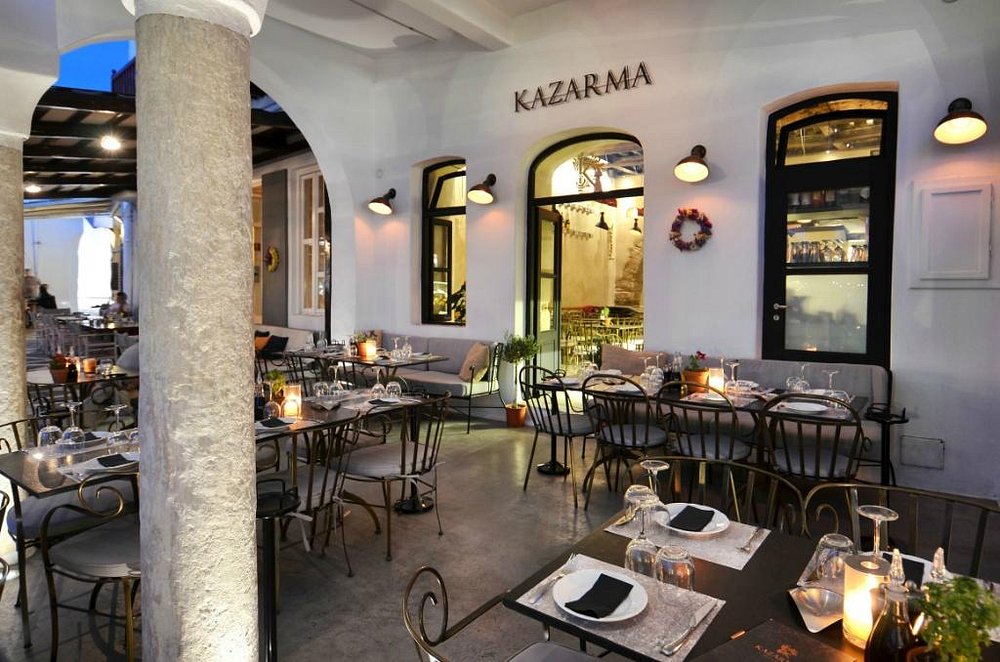
KAZARMA Restaurant, Mykonos
Sailing the Aegean: The waters around Mykonos are among the finest sailing grounds in the Mediterranean. Charter a catamaran or sailboat — skippered or bareboat — and explore the rocky coves, sea caves, and secret beaches that are inaccessible by land. Sunset cruises departing from the Old Port are a quintessential Mykonian experience, taking in the island’s western coastline as the sky turns every shade of orange and gold.
Scuba Diving at Kalafatis Beach: The clear Aegean waters around Mykonos offer excellent visibility and marine life. Kalafatis Beach is the diving hub of the island, with several certified operators offering discovery dives for beginners and guided dives to underwater caves, walls, and the occasional amphora. The water temperature is ideal for diving between June and October.
Windsurfing at Kalafatis: The meltemi winds that batter Mykonos in July and August — frustrating for those seeking calm sunbathing — are a gift for windsurfers. Kalafatis is the best spot on the island, with equipment hire and lessons available from several beachfront operators.
Snorkelling the Sea Caves: The rocky northern coastline around Agios Sostis and Fokos beaches is home to extraordinary underwater rock formations, sea caves, and marine life. Rent a mask and fins from any of the larger beach operators and explore independently — the water clarity is exceptional in the calmer months.
Stand-Up Paddleboarding: Available at most of the island’s main beaches, paddleboarding is a perfect way to explore the coastline at dawn, before the beach clubs wake up and the water fills with boats. The calm southern beaches — Platis Gialos, Ornos, Agios Ioannis — are ideal.
The Delos Archaeological Walk: Exploring the UNESCO World Heritage Site of Delos on foot — the Terrace of the Lions, the House of Dionysus with its extraordinary floor mosaics, the Sacred Lake — is one of the most rewarding walking experiences in the whole of Greece. Wear good shoes, bring substantial water and sun protection, and allow a full morning.
Horseback Riding: Several operators in the Ano Mera area offer guided horseback riding through the island’s rocky interior, offering a perspective on Mykonos’s landscape — the granite hills, the stone walls, the distant windmills — that is quite different from the beach-focused experience most visitors have.
Jet Skiing & Water Sports at Paradise Beach: Paradise and the neighbouring beaches offer the full range of motorised water sport thrills — jet skiing, parasailing, banana boats, and flyboarding. The beach is a genuine spectacle during high season; for the water sports experience without the full party intensity, arrive before noon.
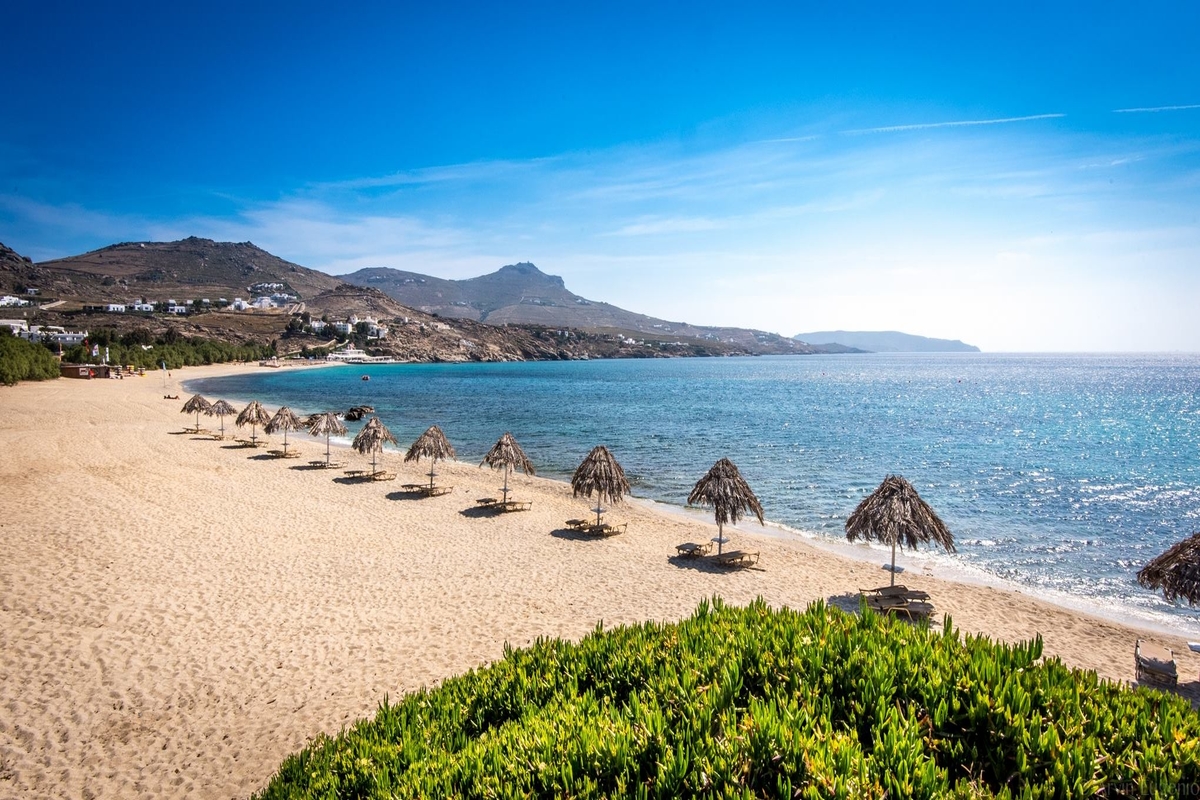
Kalafatis Beach
Delos (30 minutes by ferry): The most essential excursion from Mykonos — non-negotiable, frankly, if you have any interest in the ancient world. Delos is a UNESCO World Heritage Site and one of the most significant archaeological sites in the Mediterranean. The ferry from the Old Port runs several times daily during summer; buy tickets at the booth on the quayside. Arrive on the first morning ferry to have the lions and the mosaics largely to yourself.
Rhenia Island (1 hour by boat): The uninhabited island immediately west of Delos is where ancient Athenians sent the ill to die and the pregnant to give birth — the sacred Delos could not be contaminated by either. Today Rhenia offers some of the most pristine, entirely uncommercialised beaches in the Cyclades. Arrange access through a private boat charter or day-trip operator from Mykonos.
Tinos (30 minutes by ferry): Mykonos’s nearest neighbour is a strikingly different island — deeply religious, largely untouched by mass tourism, and famous for the Church of Panagia Evangelistria, which houses an icon of the Virgin Mary considered the most sacred in Greece. Tinos is also the marble-crafting capital of the Cyclades, and its villages — particularly Pyrgos in the north — are astonishing in their carved stone artistry.
Syros (1 hour by ferry): The capital of the Cyclades, Ermoupolis, is unlike any other island town in Greece — a grand 19th-century neoclassical city that was once the wealthiest port in the entire Eastern Mediterranean. The magnificent Apollo Theatre (a miniature La Scala) and the Venetian-Catholic hilltop town of Ano Syros make this a deeply rewarding day’s excursion. Ferries run from Mykonos New Port.
Naxos (1.5 hours by ferry): The largest of the Cyclades, Naxos offers an entirely different scale and character — huge sandy beaches, a mountainous interior with medieval villages, ancient temples, and the famous Portara, the colossal marble doorway of an unfinished temple of Apollo that stands sentinel at the harbour entrance. A genuinely magnificent island for those who want more space than Mykonos provides.
Paros (1.5 hours by ferry): Paros has in recent years become the destination of the discerning traveller seeking Cycladic beauty with rather less of the Mykonos price tag. Naoussa — its fishing village turned chic resort — is one of the loveliest towns in the islands, and Parikia has an outstanding Byzantine Venetian kastro. Windsurfing at Golden Beach is world-class.
A Drive Around the Island (half day): Mykonos is small enough — just 10 km at its widest — to drive around entirely in a morning. Rent a quad bike or ATV (the standard Mykonian vehicle) and head north to the lighthouse at Armenistis, then down the eastern coast to Kalafatis, through Ano Mera, and back along the southern beaches. The granite landscape, scattered with ancient stone walls and tiny chapels, is beautiful in the low morning light.
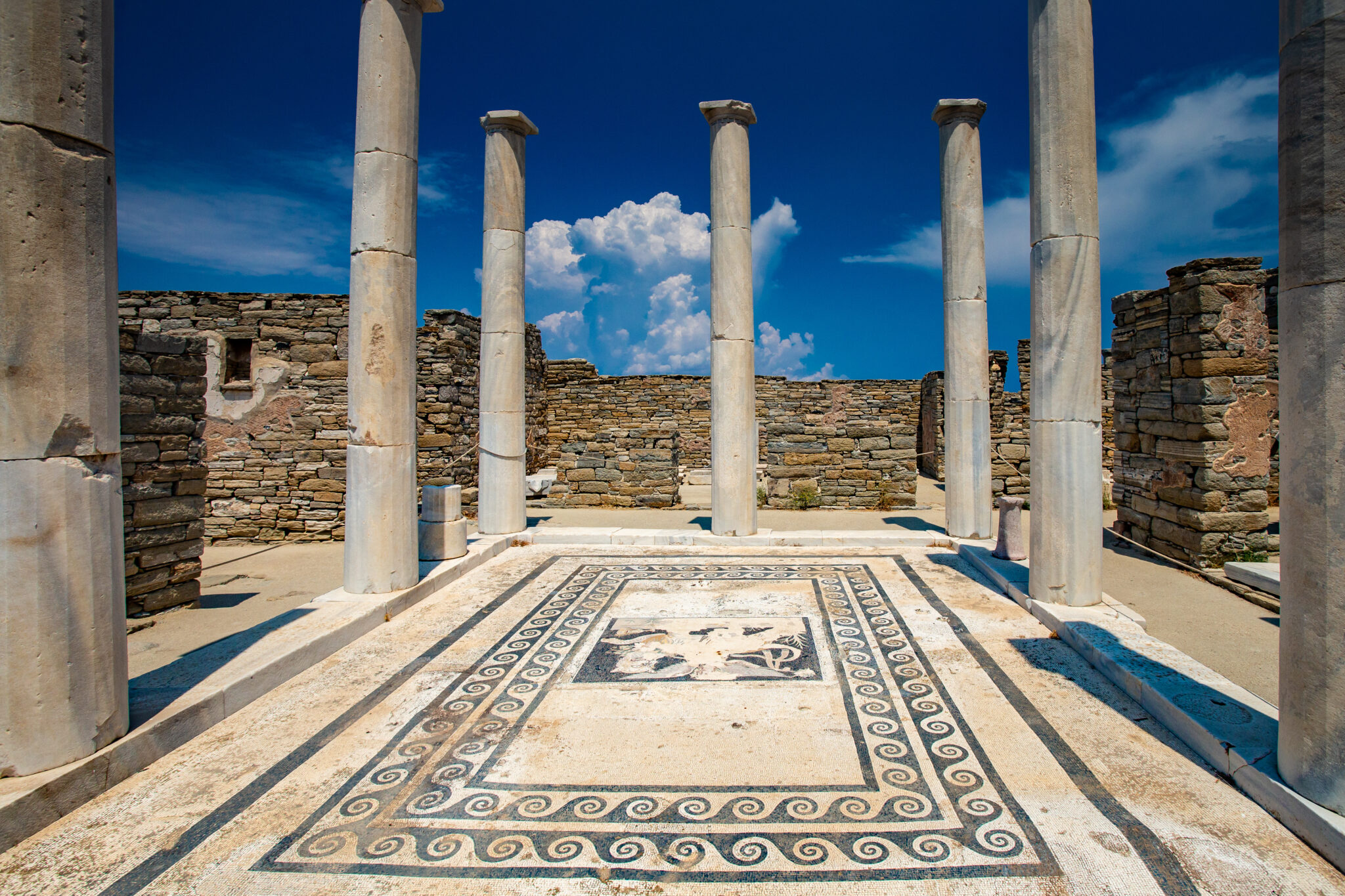
The majestic ruins of Delos
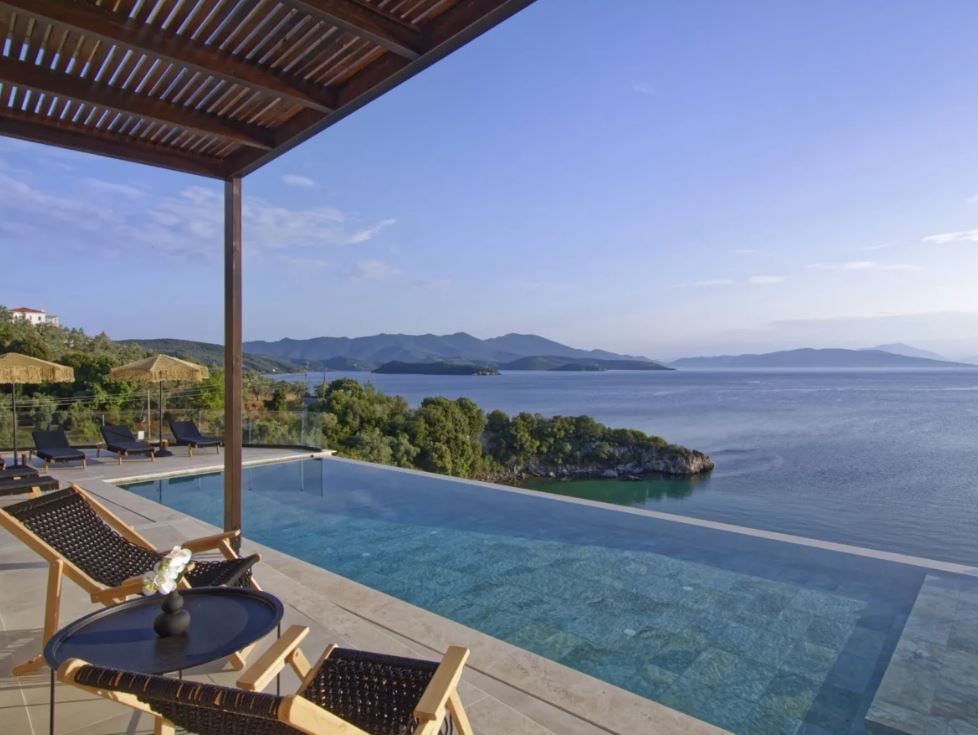
The accommodation landscape of Mykonos is the most glamorous in Greece — and among the most expensive in Europe during peak season. The island has invested heavily in luxury hospitality, and the results are extraordinary: infinity pools that spill toward the Aegean, boutique suites with private terraces and plunge pools, spa retreats with views of the windmills. The range, however, is wider than the Instagram feed suggests — from intimate townhouse hotels in the heart of Chora to family-friendly beach resorts on the quieter southern bays.
5* Once in Mykonos Luxury Resort — Adults-only luxury resort in Ornos with design rooms and a chill-out pool, from €261/night.
Colours of Mykonos — Boutique property with junior suites featuring private outdoor Jacuzzi, from €103/night.
Mykonos Waves — Beachside hotel with superior sea-view rooms, from €219/night.
4* Mykonos Earth Suites — Adults-only suites in Megali Ammos with private heated jetted tub and sea view, from €253/night.
5* Archipelagos Hotel — Upscale beachfront hotel with premium sea-view rooms, from €141/night.
4* Mr. & Mrs. White Mykonos — Stylish 4-star hotel in Platys Gialos with an excellent location, from €153/night.
4* Livin Mykonos Hotel — Adults-only hotel in Drafaki with classic rooms and garden views, from €93/night.
For more hotel offers in Mykonos, check here!
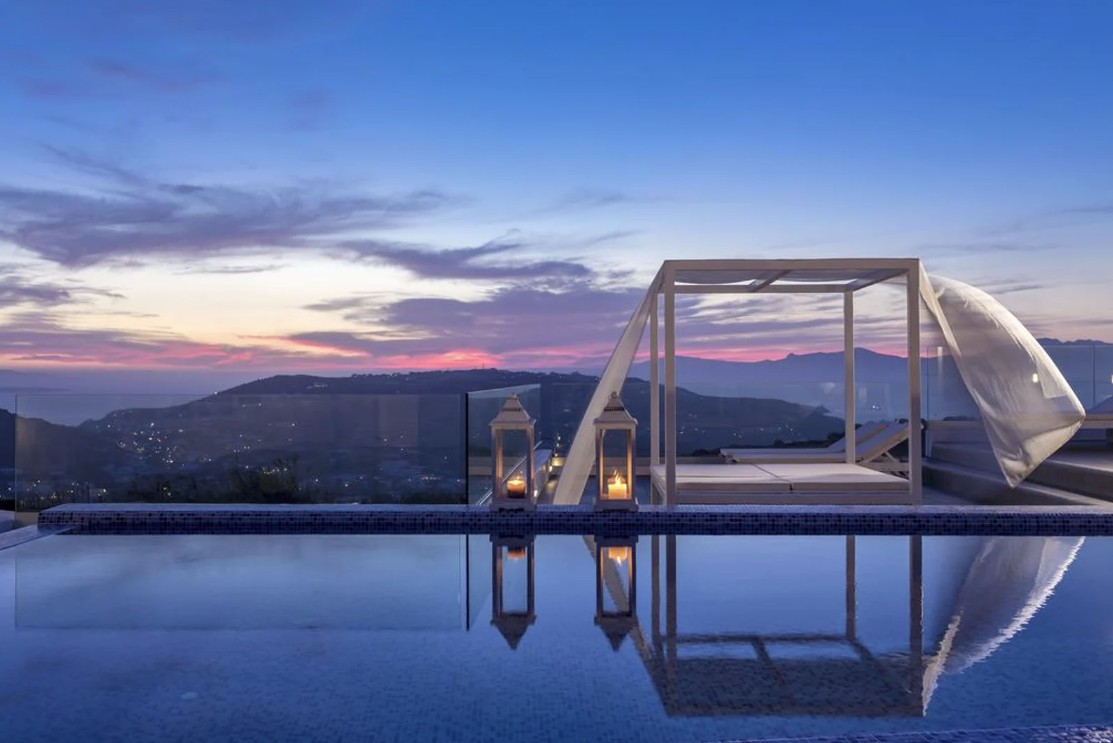
Colours of Mykonos Hotel
On Foot: Mykonos Town (Chora) is entirely pedestrianised and most pleasurably explored on foot. The town is compact enough that you can walk from the Old Port to the Windmills, Little Venice, and back in 20 minutes — though the winding lanes will add considerable time if you follow your curiosity, as you should.
Bus (KTEL): The island’s public bus network is reliable, affordable (€2–€3 per journey), and covers all the main beaches. There are two bus stations in Chora — Fabrika (South Station) for Paradise Beach, Platis Gialos, Ornos, and Psarou; and the Old Port (North Station) for Agios Stefanos, Tourlos, and the New Port. Buses run frequently in high season (every 15–30 minutes on popular routes), less so in shoulder season.
Taxi: Mykonos has a limited taxi supply — there are only around 30 licensed taxis on the island — and during peak season demand vastly outstrips supply. Taxis wait at the main taxi rank in Manto Mavrogenous Square; booking by phone is theoretically possible but can be unreliable. A taxi from the airport to Chora costs around €10–€15.
Car & ATV Rental: For those wanting maximum flexibility, rental cars and quad bikes (ATVs) are widely available from numerous agencies near the airport and in the main towns, costing from around €40–€80 per day depending on the vehicle and season. An ATV is the classic Mykonian way to explore the island’s roads — wind in your hair, granite hills on all sides.
Water Taxi: During summer, water taxis operate between the Old Port and many of the southern beaches — a lovely way to travel, and considerably more pleasant than a bus for Super Paradise if you’re staying on the northern side of the island.
Boat Excursions: For reaching Delos, Rhenia, and the more remote northern beaches, day-trip boats depart regularly from both the Old Port and the New Port. The seabus also connects the Old Port with the New Port (a useful transfer for ferry passengers).
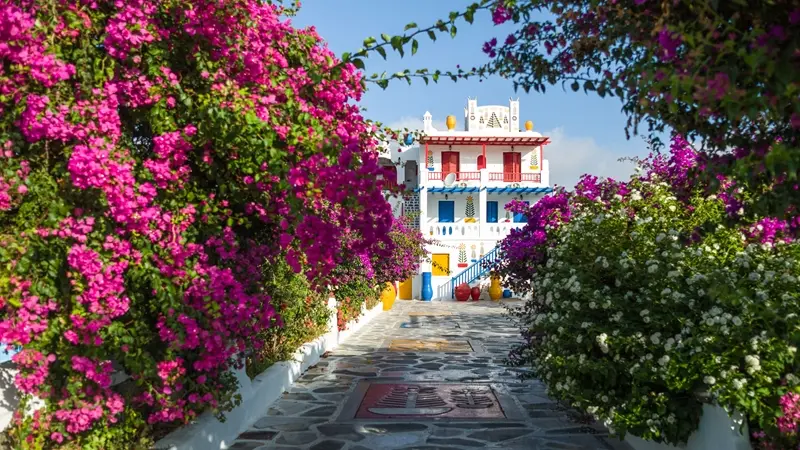
Ano Mera Village
Mykonos is one of the safest destinations in Greece — and in Europe. Petty crime is rare; the local police maintain a visible presence during the busy summer months; and the island’s culture of hospitality is genuine and deep. Mykonians have been welcoming outsiders for centuries and they have, on the whole, made an art of it.
Pack Light Layers: The meltemi winds, particularly in July and August, can make evenings feel considerably cooler than the midday temperature suggests. A light wrap or jacket is essential for evenings in Little Venice or the hilltop bars.
Carry Cash: While cards are widely accepted, smaller tavernas, bakeries, and the bus system prefer — or require — cash. There are several ATMs in Chora and one near the airport. Withdraw cash on arrival.
Tipping: Tipping is expected and appreciated. At tavernas and casual restaurants, rounding up the bill or leaving €2–€5 is standard. At higher-end establishments, 10% is appropriate. Bar staff appreciate tips; taxi drivers do not have a fixed custom but a rounding-up is welcome.
Book Everything Early: In July and August, popular restaurants require reservations days (sometimes a week) in advance; sunset spots at Little Venice bars fill by 6pm; and sunbed sets at Psarou Beach sell out before you have had breakfast. Plan ahead or accept the queue.
Water: Tap water in Mykonos is technically safe but very salty and not served in restaurants. Bottled water is the norm everywhere — budget accordingly.
Electricity: Greek standard is 230V, 50Hz, with Type C and Type F plugs. UK visitors will need a plug adapter (Type G to Type C/F).
Language: Greek is the official language, but English is spoken fluently and enthusiastically by virtually everyone in the tourist industry, and widely by locals. A few words of Greek — yassas (hello), efharisto (thank you) — will be genuinely warmly received.
Sun Protection: The Mykonos summer sun is fierce. Factor 50, a hat, and sunglasses are non-negotiable; even a short morning at the beach without protection will leave you burned.
Photography at Churches: Many of Mykonos’s churches are still in active use. Dress modestly (shoulders and knees covered) and ask permission before photographing inside. The exterior of Paraportiani is always fair game.
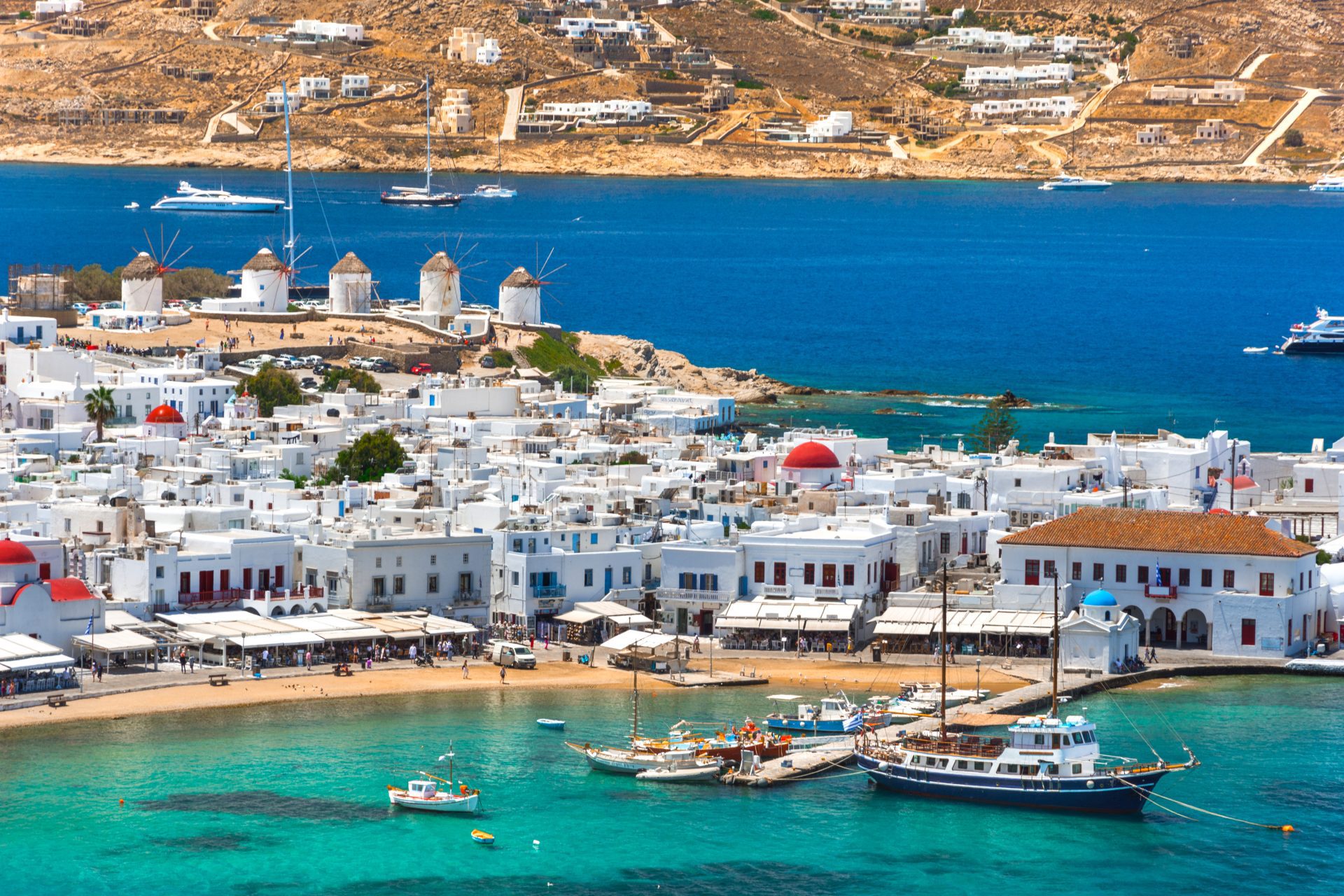
Chora of Mykonos, the islands’ capital
Mykonos is too often reduced to its most spectacular version of itself — the beach clubs, the DJs, the celebrity sightings, the Instagram-perfect lanes of Chora. And yet those who stay long enough — who venture beyond the harbour into the granite hills, who cross to Delos at first light, who find themselves sitting in a village square in Ano Mera with the morning sun on their face and a coffee that has no particular urgency — discover that the island has far more to give than its reputation suggests.
What makes Mykonos enduring, beyond the beauty and the glamour, is its extraordinary capacity to hold contradictions in elegant suspension. An island that was sacred to the ancient world and dissolute to the modern one. A place where genuine Byzantine monasteries stand minutes from beach clubs playing house music at noon. A labyrinthine town designed to confuse invaders that now welcomes — and warmly disorients — the whole world. The whitewash and the granite, the meltemi wind and the sea’s hard blue: all of it together creates something that is uniquely Mykonian and uniquely, magnificently Greek.
Go in May or September if you can. Let yourself get lost in Chora. Sail to Delos. Eat the kopanisti on a barley rusk, drink the Assyrtiko cold. Watch the light go gold over the windmills and feel, for a moment, the extraordinary good fortune of being here.
Kalo taxidi — happy travels to magnificent Mykonos. 🏝️