

In This Athens Travel Guide 2026:
Athens, the historic capital of Greece, hits you before you are ready. The light first — that famous, merciless, golden Attican light that flattens shadows and makes even concrete look like marble. Then the noise: horns and church bells and the hiss of an espresso machine and someone’s grandmother arguing from a third-floor balcony. Then the smell — oregano, exhaust, jasmine, charcoal — and somewhere beneath it all, the faint, impossible scent of something ancient that no city on earth but this one carries. You came for the Parthenon. You were not warned about the rest.
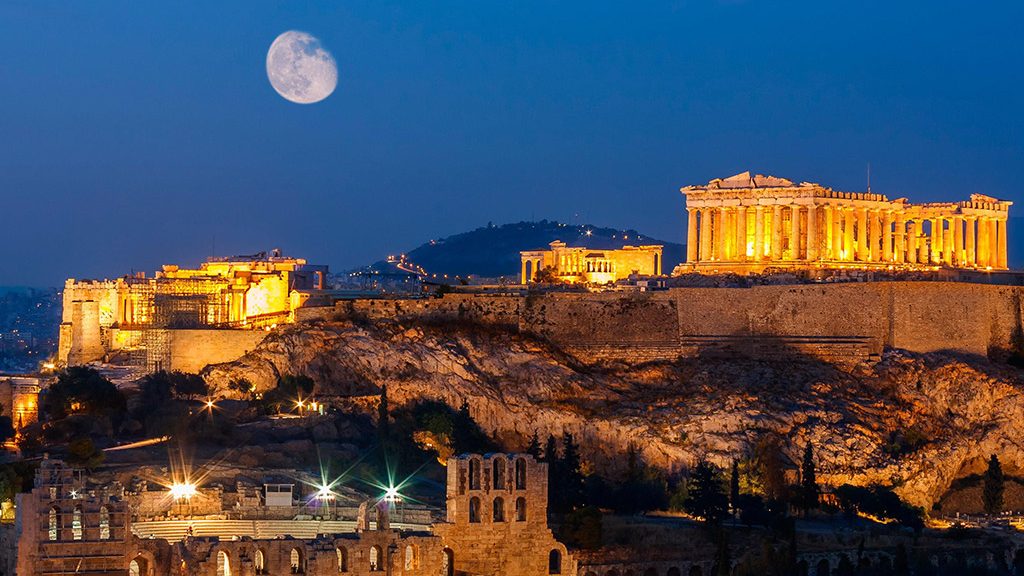
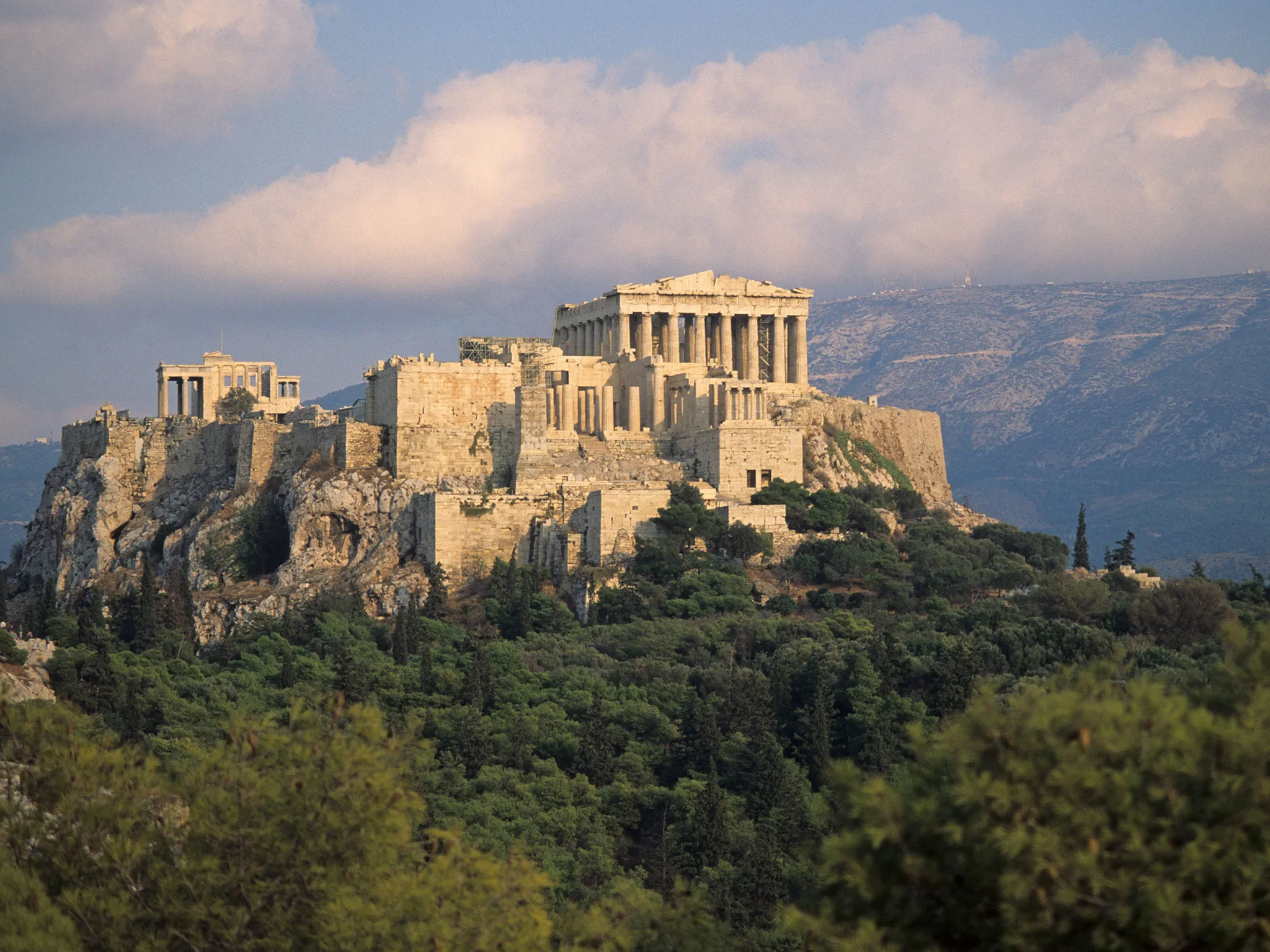
Perched on its sacred rock above a basin of hills and a sea of rooftops, the Acropolis watches over a city of four million souls who have inherited, quite casually, the most consequential piece of real estate in Western history. This is where democracy was argued into existence, where philosophy found its voice, where theatre was performed for the first time under an open sky. Athens did not merely participate in the story of civilisation — it started it. And it has never, for a single day, stopped.
Three thousand years of history – Your story starts now!
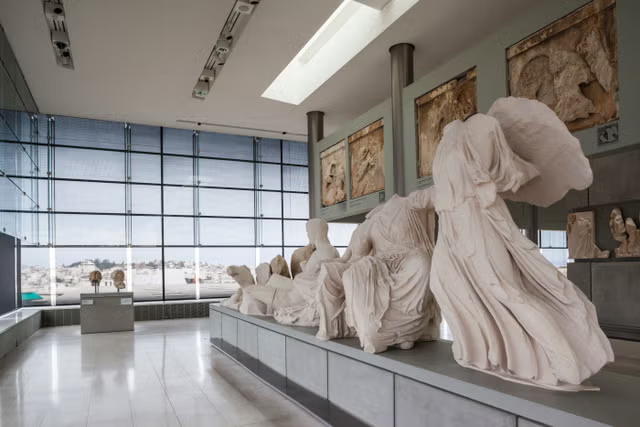
The Acropolis Museum
To walk through Athens is to walk through time itself — a city layered with civilizations and stories that stretch back to myth and antiquity. Named after Athena, goddess of wisdom, Athens rose to greatness in the 5th century BC as the intellectual and political heart of the ancient world, giving birth to democracy, philosophy, drama, and history, while the Parthenon stood as a proud symbol of its golden age and devotion to the goddess.
In the centuries that followed, Athens passed through many hands and identities: Macedonian and Roman rule, the long Byzantine era that transformed ancient temples into churches, and nearly four centuries of Ottoman occupation that left traces still visible in the city’s cultural fabric. By the time Greece gained independence in the 19th century, Athens was a small and half-ruined town, chosen as the new capital in 1834 by King Otto, who began reshaping it into a modern European city with elegant neoclassical architecture most importantly by the famous architect Ernst Zieller.
From that unlikely beginning, Athens grew through waves of migration, war, and renewal — welcoming refugees after the Asia Minor catastrophe, enduring occupation,civil conflict and military dictatorship in the mid-20th century, expanded gratefully during the 1980s economic boom and eventually reintroducing itself to the world with the 2004 Olympic Games.
Today, Athens stands at a vibrant crossroads, blending ancient heritage with modern energy and inviting visitors to discover a living city that is far more than its ruins.
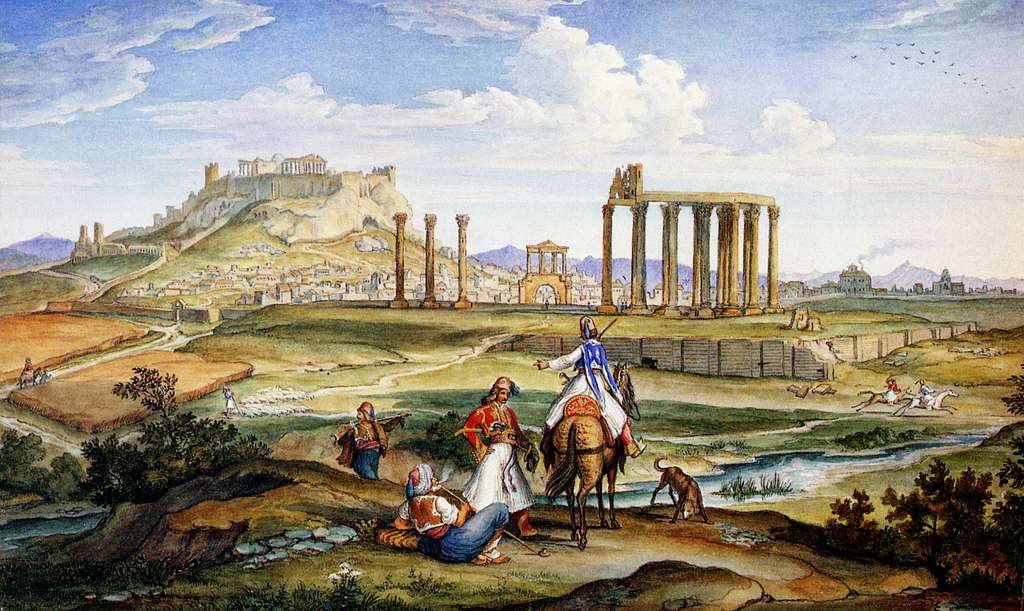
Athens during the 1830s
Getting to Athens from the UK is wonderfully straightforward, making it one of the most accessible European city-break destinations available to British travellers.
By Air: Athens International Airport — officially named Eleftherios Venizelos (ATH) — is well-served by direct flights from across the United Kingdom. British Airways, easyJet, Ryanair, Jet2, and Aegean Airlines all operate direct routes from London, Manchester, Edinburgh, Birmingham, Bristol, and beyond. Flight times are typically 3.5 hours. Book early on Skyscanner for the best fares — and aim to arrive in the morning to maximise your first day in the city.
Getting from Athens Airport into the City:
Book flights at least 6–8 weeks in advance for spring and autumn travel, and 3–4 months in advance for the summer season.
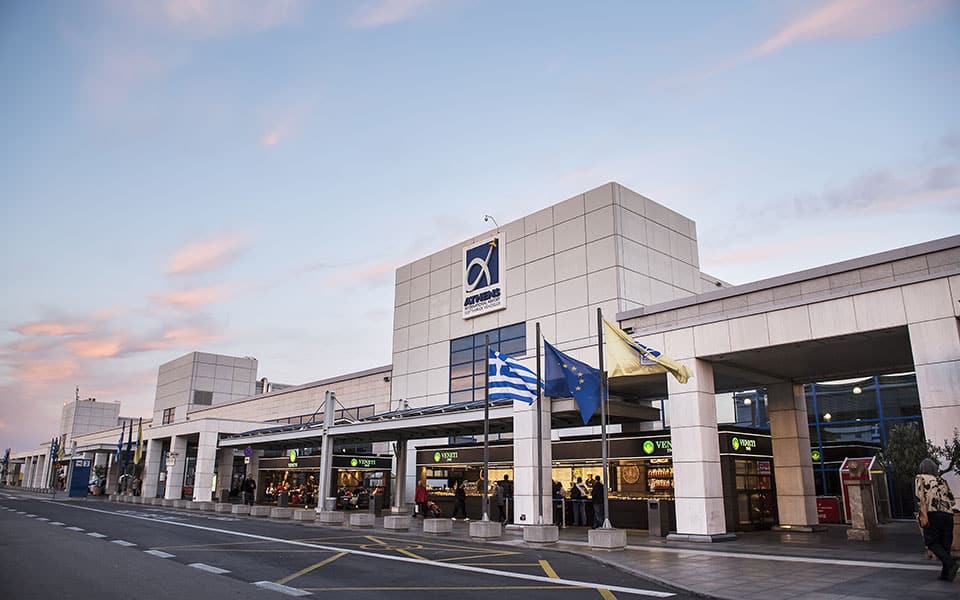
Athens International Airport “Eleftherios Venizelos”
Athens enjoys one of Europe’s most enviable climates — long, luminous summers, mild winters, and two glorious shoulder seasons that offer everything a visitor could wish for without the punishing heat of the peak months.
Spring is, without question, the finest season to experience Athens. From late April through to early June, the city is warm, vibrant, and bathed in the extraordinary clarity of the Greek light. Temperatures are perfectly comfortable for sightseeing, the Acropolis is at its most romantic, the ancient sites are not yet overwhelmed by summer crowds, and the city’s cultural life — concerts, exhibitions, open-air cinema — is in full, glorious swing.
| Month | Avg. Temp
(°C) |
Sea Temp
(°C) |
Sunshine
(hrs/day) |
Crowd Level |
|---|---|---|---|---|
| April | 16–21°C | 17°C | 8 | Low ✓ Best |
| May | 20–26°C | 19°C | 10 | Low–Medium ✓ Best |
| June | 25–30°C | 22°C | 12 | Medium |
| July | 28–34°C | 25°C | 13 | High – Peak Season |
| August | 28–35°C | 26°C | 13 | Very High – Hottest Month |
| September | 24–30°C | 24°C | 11 | Medium ✓ Also Excellent |
| October | 18–24°C | 22°C | 8 | Low ✓ Excellent |
Best Season to Visit Athens: Athens rewards visitors across much of the year, but the very best time to arrive is in spring — from late April through to early June, and again in September and early October. The light is extraordinary, the heat is warm without being punishing, the city’s cultural calendar is in full swing, and the streets belong to Athenians rather than tourist crowds. Avoid the peak of August if you can — the city empties as locals flee to the islands, and the heat can be ferocious.
For a comprehensive weather forecast, check meteo.gr.
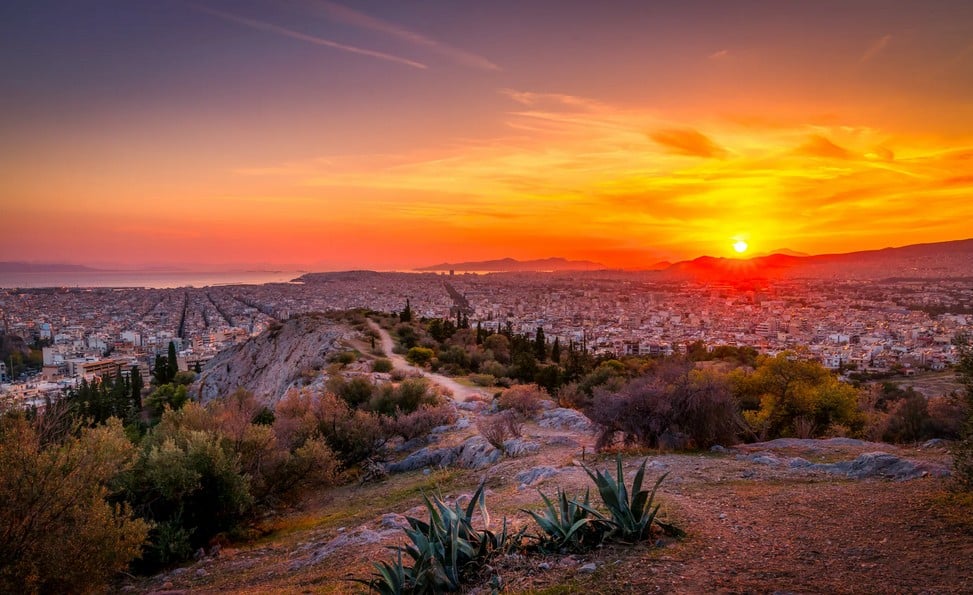
Sunset over Athens, in the Filopappos Hill
Athens is, at its core, an open-air museum — a city where the ancient and the modern coexist in extraordinary, occasionally improbable harmony. A Byzantine church nestled between a souvlaki stall and a contemporary art gallery; a Neolithic burial mound beneath the foundations of a metro station; a Roman agora in the shadow of a rooftop bar. Everywhere you look, Athens rewards the curious.
Here are the essential destinations no visitor should miss:
The Acropolis & the Parthenon: The sacred rock that has defined Athens for three millennia. Crowned by the Parthenon — perhaps the most recognisable building in human history — and flanked by the Erechtheion, the Temple of Athena Nike, and the Propylaia. Go at opening time or in the late afternoon when the light is golden and the crowds have thinned. No visit to Greece is complete without standing here.
The Acropolis Museum: One of the finest archaeological museums in the world, built directly over an ancient Athenian neighbourhood. The Parthenon Gallery on the top floor — with original sculptures displayed against floor-to-ceiling glass overlooking the Acropolis itself — is a breathtaking experience.
The National Archaeological Museum: The greatest collection of ancient Greek art and artefacts on earth. The golden death mask of Agamemnon, the Antikythera Mechanism, the soaring bronze Poseidon — this museum alone is worth a journey to Athens.
Kerameikos: The ancient cemetery of Athens — atmospheric, moving, and strangely beautiful. Less visited than the Acropolis but equally profound.
Benaki Museum: Greece’s finest private museum, charting the arc of Greek civilisation from prehistory to the 20th century, housed in a magnificent neoclassical mansion.
Technopolis – Gazi: Experience the vibrant nightlife and cultural events at Technopolis in the Gazi district. This former gasworks complex now hosts concerts, exhibitions, and trendy bars, making it a hub for the city’s artistic scene.
The National Garden: A lush, shaded oasis in the heart of the city — the perfect refuge from the midday heat, and a wonderful place to simply sit, breathe, and feel the city slow around you.
Lycabettus Hill: The highest point in Athens, crowned by the tiny whitewashed chapel of St George and offering a panoramic view of the entire city, the Acropolis, and — on a clear day — the Aegean Sea. Best reached by the funicular, and best visited at sunset.
Stavros Niarchos Foundation Cultural Center: Immerse yourself in art, culture, and green spaces at the Stavros Niarchos Foundation Cultural Center. Admire the modern architectural design while exploring the Greek National Opera and the National Library of Greece, surrounded by lush gardens and reflective pools.
Odeon of Herodes Atticus: A grand 2nd-century Roman theatre beneath the Acropolis, still hosting world-class performances in a dramatic open-air setting.
Theatre of Dionysus: The original birthplace of Greek drama, where the tragedies and comedies of antiquity were first performed.
Athens Concert Hall (Megaron Mousikis): Athens’ premier modern music venue, renowned for its acoustics and international programme of opera, classical, and contemporary performances.
Byzantine and Christian Museum: One of the most underrated museums in Greece — a breathtaking collection of Byzantine icons, mosaics, and sacred art that reminds you Athens did not stop being magnificent when antiquity ended.
The Panathenaic Stadium (Kallimarmaro): The only stadium in the world built entirely of white marble, host to the first modern Olympic Games in 1896 — walk onto the track and feel the history settle around you.
The Temple of Olympian Zeus (Olympieion): Fifteen colossal columns are all that remain of what was once the largest temple in the ancient Greek world — and they are more than enough to stop you in your tracks.
Athens Metropolitan Cathedral of the Annunciation (Metropolis): The grand 19th-century cathedral at the heart of the city, built partly from the marble of seventy-two demolished Byzantine churches — a fitting paradox for a city where every stone carries a previous life. The small medieval church of Agios Eleftherios standing beside it, ancient and unhurried, steals the moment every time.
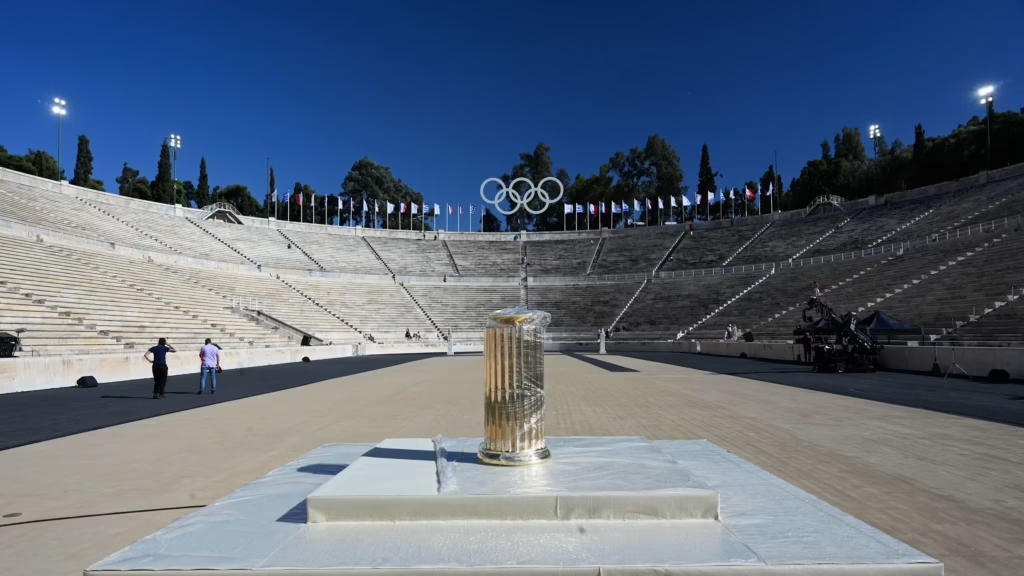
The Panathenaic Stadium
Athens is a city of distinct, fiercely individual neighbourhoods — each with its own character, its own music, its own particular quality of light on a Sunday morning.
Plaka: The oldest continuously inhabited neighbourhood in Athens, cascading down the northern slopes of the Acropolis in a maze of neoclassical houses, bougainvillea-draped lanes, and marble-paved streets. Romantic, imperfect, and utterly charming.
Monastiraki & The Ancient Agora: The ancient Agora was the beating heart of Athenian democracy — the marketplace where Socrates argued and citizens voted. Today, the beautifully reconstructed Stoa of Attalos houses a magnificent museum. Directly above, the streets of Monastiraki buzz with energy — a kaleidoscope of flea markets, coffee shops, and the extraordinary, unexpected beauty of the medieval.
Anafiotika: Tucked inside Plaka — a tiny neighbourhood built in the 19th century by craftsmen from the island of Anafi who brought their whitewashed Cycladic architecture with them. A secret village within the city.
Koukaki: The neighbourhood that quietly became one of the most beloved in Athens — residential, unpretentious, and increasingly home to the city’s most interesting small restaurants, independent coffee roasters, and design studios. Just a short walk south of the Acropolis and a world away from the tourist circuit.
Exarchia: The anarchist heart of Athens — bohemian, politically charged, and intellectually electric. Home to the Polytechnic university, radical bookshops, outrageously good cheap tavernas, and a nightlife that starts late and ends later. Not for everyone, but endlessly fascinating.
Psyrri: Once a working-class neighbourhood of craftsmen and warehouses, now Athens’s most energetic creative quarter — galleries, live music venues, mezedopolia, and street art on every surface. At its best on a warm Thursday evening when the whole city seems to descend for dinner.
Kolonaki: The elegant, slightly self-conscious heart of Athenian bourgeois life — designer boutiques, serious art galleries, marble pavements, and the best people-watching in the city. The Museum of Cycladic Art is here, and the neighbourhood cafés are excellent for a long afternoon freddo.
Pangrati: A genuine, lived-in residential neighbourhood behind the Panathenaic Stadium — excellent local tavernas, a wonderful Sunday market, and the kind of unhurried Athenian daily life that most tourists never see.
Metaxourgeio: The neighbourhood currently in the process of artistic reinvention — rough around the edges, dotted with extraordinary contemporary art spaces, and giving early glimpses of what central Athens might look like in another decade.
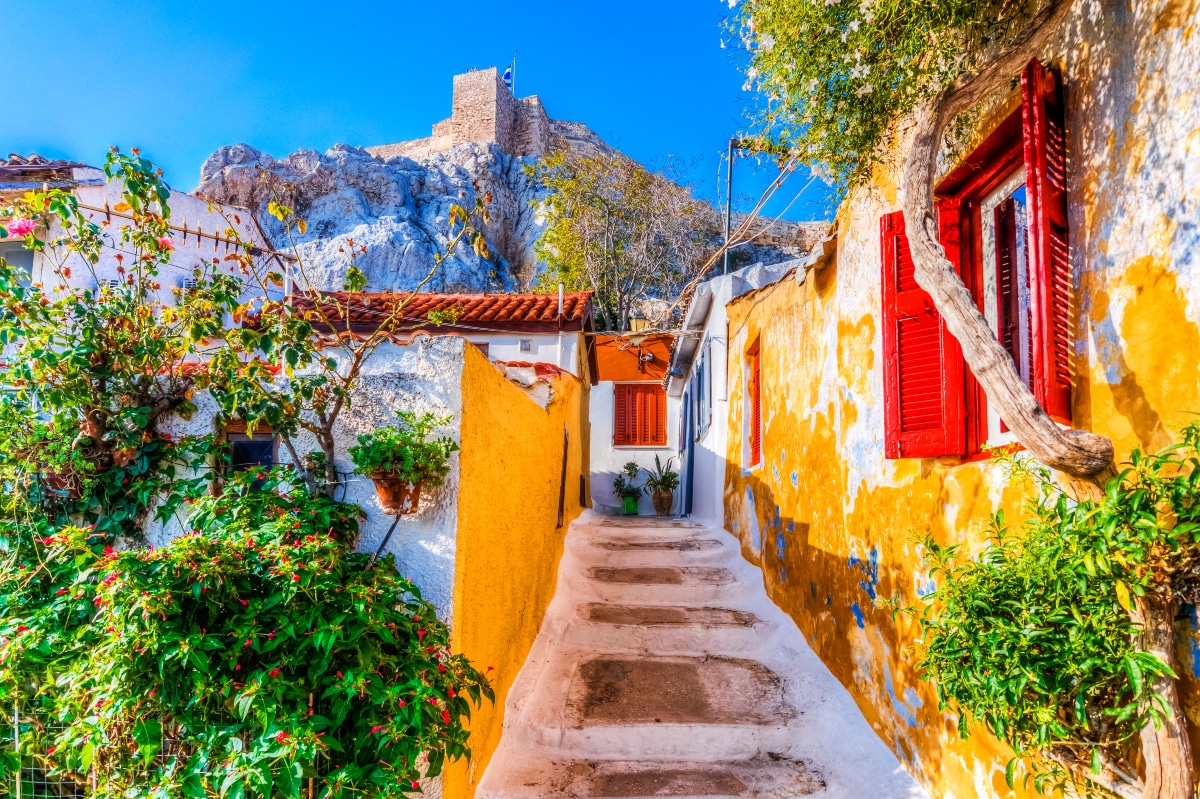
Anafiotika Neighborhood
The Athenian food scene has undergone a quiet revolution in the past decade — and what has emerged is one of the most exciting, layered, and frankly delicious dining landscapes in Europe. At its foundation is the magnificent simplicity of Greek cuisine — olive oil, lemon, herbs, grilled fish, and the sea — but above that foundation, a new generation of Athenian chefs is building something extraordinary.
Enjoy the authentic Greek Cuisine in these selected places around Athens!
Spondi: Athens’s most celebrated fine dining institution — a Michelin-starred restaurant in a beautiful Pangrati courtyard that has been setting the gold standard for Greek haute cuisine since 2002.
Aleria: An award-winning modern Greek restaurant in a restored neoclassical villa in Metaxourgeio, where chef Gikas Xenakis reinterprets classic Greek flavours with sophistication, soul, and remarkable value.
Kuzina: A beautifully restored neoclassical mansion on Adrianou Street near the Ancient Agora, with a rooftop terrace offering one of the most breathtaking Acropolis views in the city.
Taverna Klimataria: A beloved family-run taverna operating since 1927 in the heart of the city — traditional Greek food, live music, and the particular warmth of a place that has been feeding Athenians across four generations.
Botrini’s: A Michelin-starred jewel of modern Greek-Mediterranean cuisine, where acclaimed chef Ettore Botrini transforms seasonal local ingredients into dishes that feel both deeply rooted and entirely unexpected — one of the finest dining experiences in Athens.
Thissio View: A rooftop restaurant above the historic Thissio promenade offering sweeping views across the Acropolis, Lycabettus, and the ancient Agora — elevated Greek-Mediterranean cuisine with arguably the most spectacular setting in the city.
Hill Athens: Perched in Thissio with sweeping Acropolis views at sunset, this modern Greek restaurant sources directly from small Greek producers and delivers the kind of meal that makes you cancel your evening plans and order another carafe.
Find more restaurants in Athens, here!
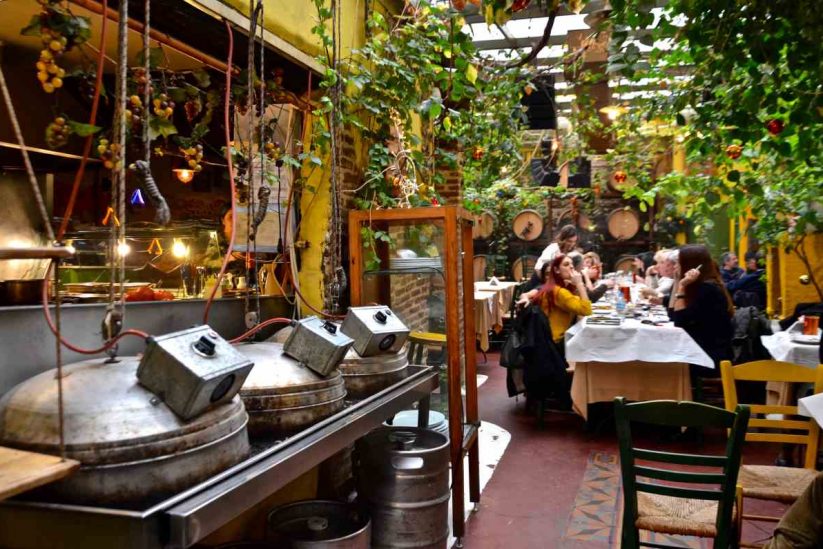
Klimataria Tavern
Greek Cuisine consists of hundreds of dishes, but make sure you don’t miss these!
Souvlaki: The iconic Athenian street food — skewers of grilled pork or chicken tucked into a warm pita with tomatoes, onions, tzatziki, and french fries. Every Athenian has a fierce opinion about which souvlatzidiko in their neighbourhood is the finest. Find yours.
Horiatiki (Greek Salad): Not the sad approximation served across the world, but the real thing — chunky tomatoes and cucumbers, kalamata olives, capers, and a thick slab of barrel-aged feta, dressed with only the finest olive oil.
Saganaki (Fried Cheese): A thick slab of kefalograviera fried in olive oil until golden and crackling on the outside, soft and molten within. Squeezed with lemon and eaten immediately — there is no more satisfying two minutes in Greek dining.
Tzatziki: Cool, thick strained yoghurt with cucumber, garlic, and dill — served as a dip, a sauce, a side, and a solution to almost every culinary problem. The version made with proper Greek yoghurt bears no resemblance to what the rest of the world calls tzatziki.
Moussaka: Layers of aubergine, spiced minced meat, and béchamel sauce baked until golden and set — the great Athenian comfort dish, at its finest in a traditional taverna where it has been made the same way for decades.
Melitzanosalata (Aubergine Dip): Smoky, silky roasted aubergine blended with garlic, olive oil, and lemon — simpler than taramosalata, deeper in flavour, and endlessly scoopable with warm bread.
Grilled Octopus (Htapodi Skaras): Chargrilled over an open flame until tender and slightly charred at the edges, dressed with olive oil and lemon, and eaten slowly with a cold glass of ouzo. One of the great Greek pleasures.
Spanakopita: Flaky, golden phyllo pastry filled with spinach and feta, eaten at any time of day from a street-corner bakery, still warm from the oven.
Loukoumades: Small, golden, fried dough balls drenched in honey and dusted with cinnamon and crushed walnuts — Athens’s oldest street food, sold from specialist shops that have been doing nothing else for generations.
Bougatsa: A warm, flaky pastry filled with semolina custard and dusted generously with icing sugar and cinnamon — eaten for breakfast at a specialist bougatsa shop, with strong Greek coffee, as the city wakes up around you. The perfect Athenian morning.

Mousaka
Athens is not merely a city of museums and ruins — it is a city surrounded by mountains, sea, and ancient landscape, offering outdoor experiences that most visitors never discover. Step beyond the centre and the city opens up in ways that will surprise and delight you!
Visiting the Acropolis at Dawn: The Acropolis opens early, and arriving in the first hour after opening — before the tour groups have gathered and the light is still soft and raking — is one of the most beautiful outdoor experiences the city offers. A morning climb rather than an afternoon one transforms the experience entirely.
Hiking Mount Hymettus (Imittos): Rising just east of the city, Hymettus is criss-crossed with hiking trails through pine forests and wild thyme — extraordinary in spring, when the mountain is carpeted with flowers and the bees that produce Athens’s celebrated Hymettus honey are furiously at work. The views back across the city from the summit ridge are breathtaking.
Cycling the Athenian Riviera: A dedicated cycling and running path follows the coastline south from the neighbourhood of Faliro all the way to Vouliagmeni — a magnificent 30-kilometre route along the Saronic Gulf, past beaches, open-air restaurants, and the extraordinary clarity of the Aegean. Electric bike rental is available at multiple points along the route.
Swimming at Vouliagmeni Lake: A short drive south of the city, this unique thermal lake sits in a rocky limestone gorge where warm spring water meets cool Aegean seawater. The result is a lake of uncanny warmth and remarkable beauty — one of Athens’s best-kept secrets.
Athens Bike Tour by night: Join a guided bike tour to explore the city’s landmarks, including the Acropolis, Plaka, and Syntagma Square. It’s an active and immersive way to discover the historical and cultural gems of Athens, under the Greek night-sky.
Walking at Philopappos Hill: Just southwest of the Acropolis, this pine-clad hill offers a peaceful escape with winding paths, ancient ruins, and sweeping sunset views over the Parthenon and the Saronic Gulf.
Birdwatching at Schinias National Park: The wetlands and pine forest of Schinias — site of the 2004 Olympic rowing venue — are one of the most important birdwatching sites in Attica, particularly during spring migration when rare waders, herons, and raptors pass through in remarkable numbers.
Yoga in the Park: Attend outdoor yoga sessions in parks of Athens. Engage in a rejuvenating practice surrounded by nature and the city’s energy.
Horse Riding in the Attic Countryside: Several stables operate in the foothills surrounding Athens — offering trail rides through pine forests, olive groves, and open Attic landscape that feel a world away from the city, yet are less than an hour from Syntagma Square.
The Presidential Guard Change: A captivating spectacle at Syntagma Square. The Presidential Guards called “Evzones” blending rhythmic movements, synchronized drills, and vibrant ceremonial attire, creating a dynamic and visually stunning activity that reflects the essence of Greek heritage and national pride!
Stargazing at the Athens Observatory: Perched on the Hill of the Nymphs directly opposite the Acropolis and housed in a stunning neoclassical building designed by Ernst Ziller in 1842, it offers its historic telescope to the public. Gazing at the night sky above the oldest city in Europe, with the floodlit Parthenon glowing just across the valley, is an experience that belongs in a category entirely its own.
Open-Air Cinema: Not quite what most people mean by outdoor activities — but watching a film under the Athenian sky, with a glass of cold wine, the Acropolis glowing in the distance, and the night jasmine in the air, is an experience that belongs in a category all of its own. The open-air cinema season runs from May to October, and it is magnificent.
Photography at the Athens Central Market Before Dawn: The Varvakios market begins its real life at four in the morning — fishmongers unloading the night’s catch, butchers at work, coffee steam rising in the cold air. For photographers willing to set an alarm, it is one of the most extraordinary urban scenes in Europe.
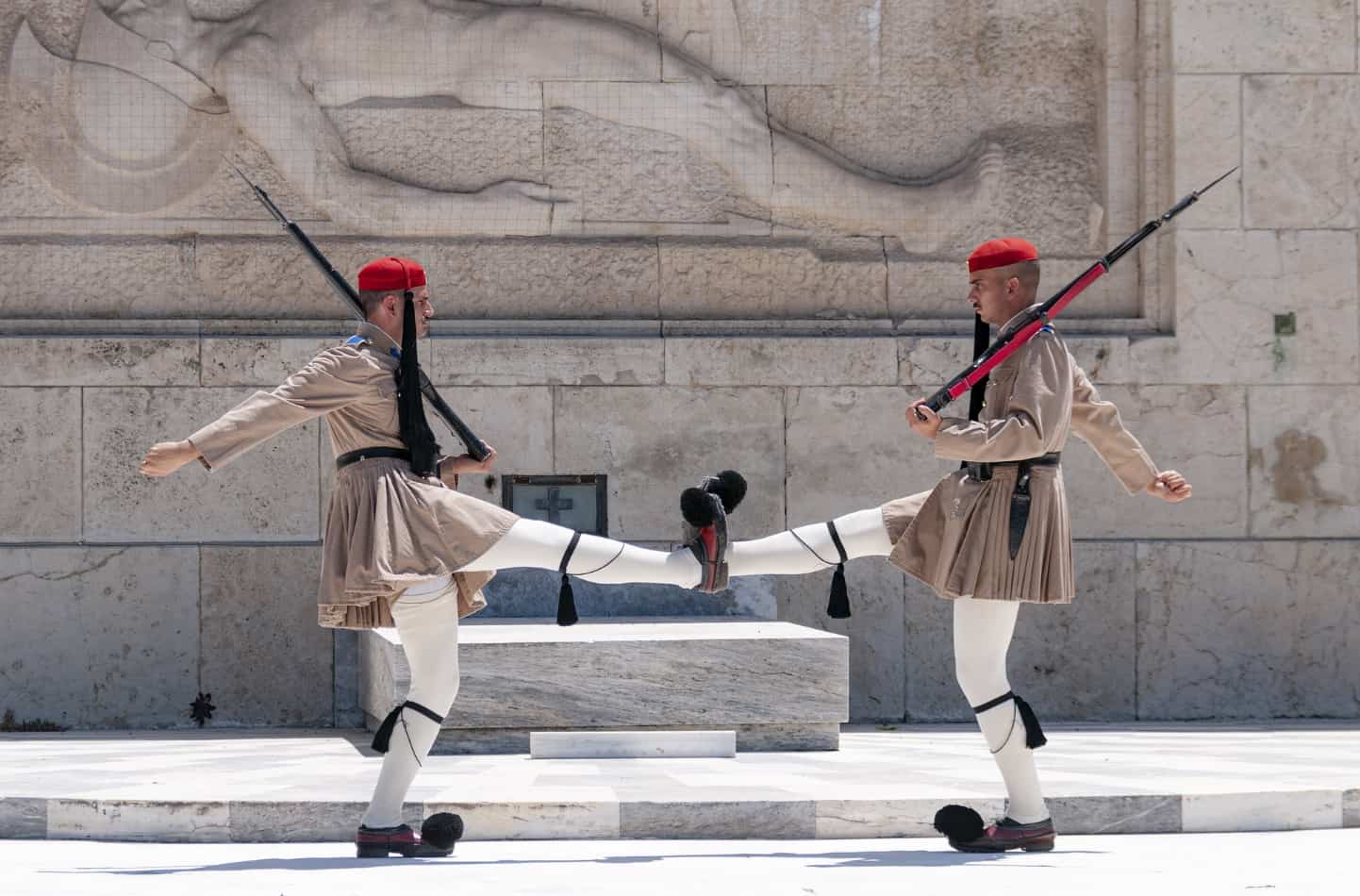
Evzones, the Greek Presidential Guard
Athens sits at the gateway to some of the most extraordinary landscapes, ancient sites, and island experiences in the Mediterranean world. A day or two beyond the city repays the journey many times over.
Cape Sounion: An hour’s drive south along the Attic coast brings you to the Temple of Poseidon — a crown of white marble columns perched on a cliff above the sea where the Aegean meets the Saronic Gulf. Byron carved his name into one of the columns. The sunset here is among the finest in all of Greece.
Delphi: The sacred centre of the ancient world — the sanctuary of Apollo where the famous Oracle spoke and city-states sent their greatest offerings. Perched dramatically on the slopes of Mount Parnassus above a valley of silver olive trees running to the sea. A full day’s excursion from Athens and one that will linger with you for years.
Epidaurus: The ancient theatre of Epidaurus is the finest surviving example of classical Greek architecture — perfectly proportioned, acoustically miraculous, and still very much in use. The Athens and Epidaurus Festival stages performances here in summer. The journey from Athens takes approximately two hours.
Hydra: The most romantic island in Greece — car-free, stunning, and just two hours by hydrofoil from Piraeus. Donkeys carry your luggage up the steep stone paths; cats sleep in the sun; the harbour is ringed by elegant stone mansions. A day trip to Hydra is a journey to another world.
Ancient Corinth and the Corinth Canal: Discover ancient Corinth and its archaeological site, then stand in awe at the engineering marvel of the Corinth Canal, connecting the Aegean to the Ionian Sea.
Aegina: The closest island to Athens — just one hour by ferry from Piraeus — and a wonderful day trip combining the extraordinary Temple of Aphaia (one of the finest surviving Doric temples in Greece) with excellent seafood, a beautiful harbour town, and the island’s celebrated pistachio groves.
Lavrion: Where the famous Mines of Lavrion (Metaleia) whisper stories of ancient silver and sunlit stone. A day among them feels like walking through Greece’s hidden veins of history.
Nafplio: The most beautiful town in mainland Greece — a jewel of Venetian architecture and neoclassical elegance set beneath a towering fortress at the edge of the Argolic Gulf. Just under two hours from Athens and a perfect day or overnight excursion.
Chalkida (Chalcis): Just 90 minutes from Athens by car or train, Chalkida is worth the journey for the Euripus Strait alone — a narrow channel whose current reverses direction multiple times a day in a phenomenon that baffled Aristotle himself and has never been fully explained.
Poros: A jewel of the Saronic Gulf just two hours from Piraeus by ferry — and barely 400 metres from the Peloponnese coast at its narrowest point, making it feel like the most effortlessly connected island in Greece. Poros is pine-forested, unhurried, and genuinely lovely — its pastel-coloured clocktower town reflected in a harbour so calm it looks like glass.
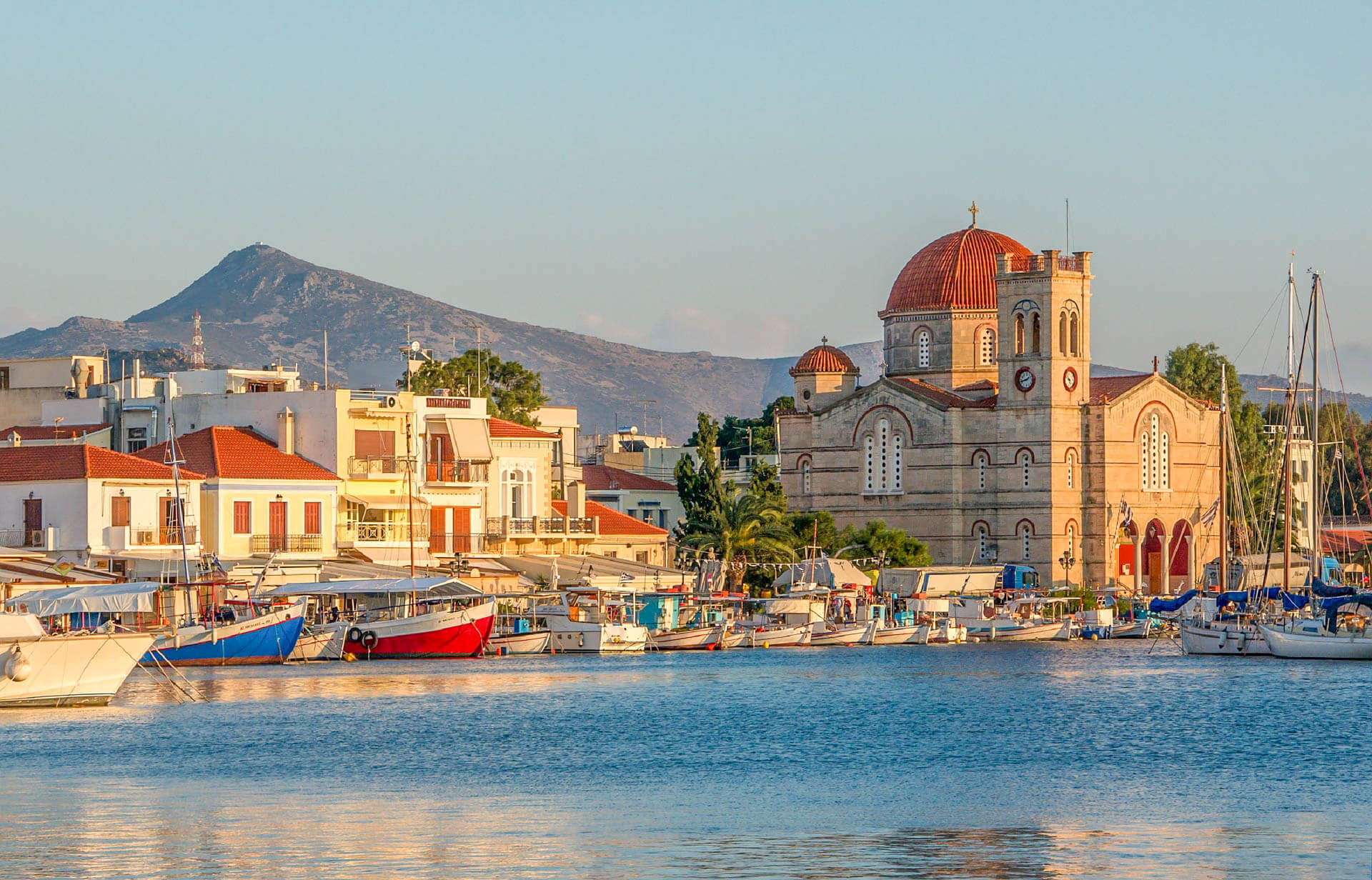
Aegina, one of the closest island to Athens.
Within a short drive from the city, the Athenian Riviera and surrounding areas provide a variety of beautiful beaches suited for every preference—from organized spots to more natural, tranquil settings.
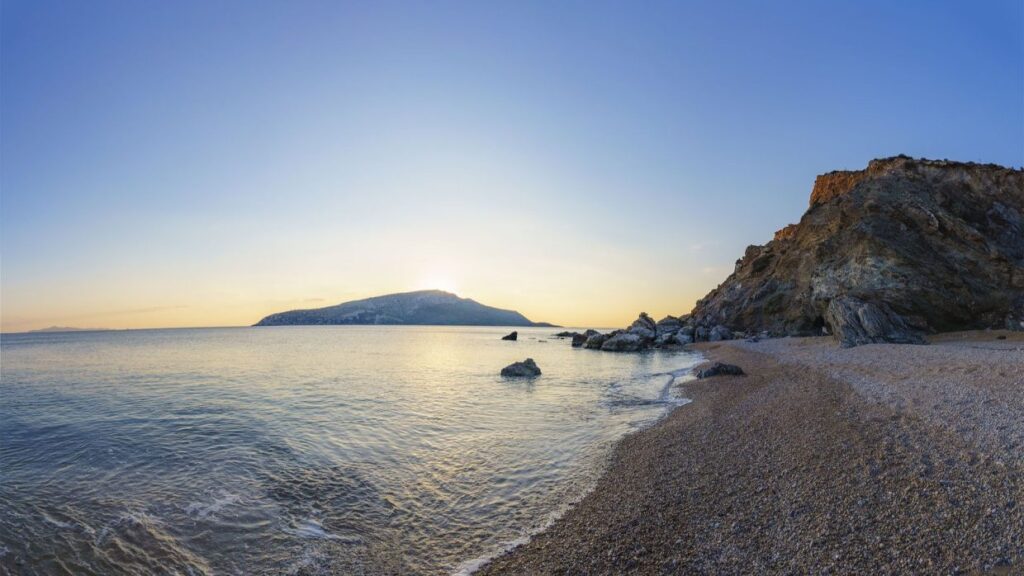
Legrena Beach, a “cycladitic style” beach close to Athens!
The ports of Athens are vital hubs for both commerce and tourism, with Piraeus being the largest and most important. Piraeus serves as a major gateway connecting Greece to the Aegean islands and international destinations, handling millions of passengers and significant cargo each year.
Nearby ports like Rafina and Lavrio also play key roles, especially for ferry routes to the Cyclades and other islands. Together, these ports support Athens’ economy and reinforce its position as a central maritime crossroads in the Mediterranean.
Athens offers an extraordinary range of accommodation — from intimate boutique hotels in lovingly restored neoclassical mansions to world-class luxury hotels with rooftop pools overlooking the Acropolis. The best areas to stay are Koukaki (residential, authentic, perfectly positioned for the Acropolis), Kolonaki (elegant, central, excellent for culture and dining), and Monastiraki/Plaka (atmospheric, historic, right at the heart of everything).
Grecotel Pallas Athena: A design-forward 4-star hotel right in the city centre, combining contemporary Athenian style with the reliability of the Grecotel name — breakfast included and superbly located for exploring on foot.
SoHo Athinas 60: A sleek adults-only boutique hotel on Athinas Street steps from Monastiraki, with a welcome drink on arrival and a chic, urban design sensibility — outstanding value for a central Athenian stay.
The Artist Athens: A stylish hotel in the creative heart of Psyrri — breakfast included, beautifully designed rooms, and immediate access to the city’s best neighbourhood for dining and nightlife.
Athens Mansion Luxury Suites: A 4-star boutique gem in the city centre offering spacious, elegantly appointed suites with breakfast — the kind of intimate, refined stay that turns a city break into something genuinely memorable.
Urban Stripes Athens: A design-led hotel in the beloved neighbourhood of Koukaki — perfectly positioned for the Acropolis and the city’s best local restaurants, with a warm, residential feel that sets it apart from the larger central hotels.
Hotel @ Syngrou Fix: A well-located, great-value hotel near Syngrou Fix metro station on the edge of Koukaki — modern, clean, and within easy walking distance of the Acropolis and the city centre.
Find more Hotel offers in Athens, here!
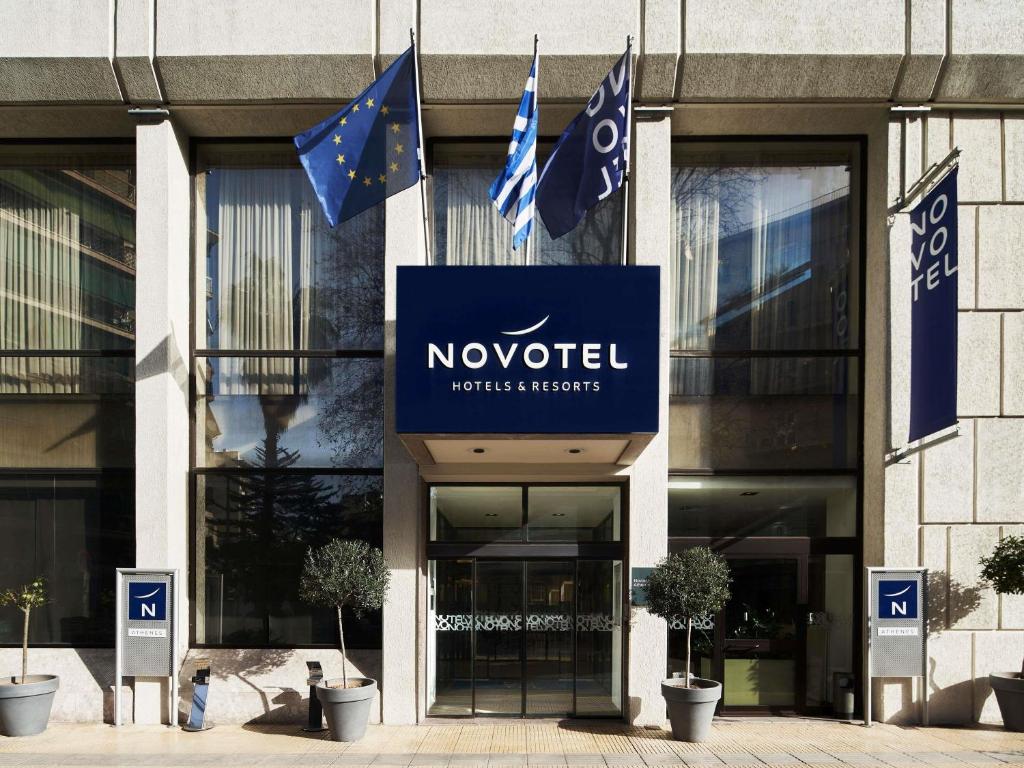
Novotel Athens Hotel
Athens has improved its public transport infrastructure enormously over the past two decades — the metro in particular is clean, efficient, and a genuine pleasure to use. Getting around the city is far easier than first-time visitors often expect.
Metro: Athens’s metro system — three lines connecting the city centre with the port of Piraeus, the airport, and most major tourist areas — is the backbone of city transport and the single best way to move around. Trains run frequently, carriages are air-conditioned, and several stations (particularly Syntagma, Monastiraki, and Akropoli) double as de facto museums, with excavated ancient remains on display behind glass on the platforms.
Tram: The Athens tram runs from Syntagma Square along the coast to Glyfada and the riviera — a leisurely and scenic way to reach the southern beaches and the coastal cycling path.
Suburban Railway: A commuter rail system that connects central Athens with suburbs, the airport, and nearby cities like Piraeus, Kiato, and Chalkida through frequent regional train services.
Bus: An extensive bus network covers the entire city and its suburbs. Less intuitive for first-time visitors than the metro, but useful for reaching neighbourhoods off the metro map.
Taxi: Athenian taxis are plentiful, affordable, and can be hailed on the street or booked via the Uber or Beat apps. Always confirm the meter is running at the start of a journey.
Car Rental: Not recommended for navigating the city itself — parking is limited and the traffic can be formidable. However, a rental car is invaluable for day trips to Cape Sounion, Delphi, Nafplio, and the broader Attic peninsula. Collect your car from the airport or from a central agency at the start of a day trip and return it the same evening.
Walking: The historic centre of Athens — from the Acropolis to Monastiraki, Plaka, Psyrri, and Syntagma — is best explored entirely on foot. The distances are short, the streets are beautiful, and half the joy of Athens lies in the unexpected moments that only walking delivers: a Byzantine church glimpsed through a gate, a courtyard full of lemon trees, a street musician playing music in the shade.
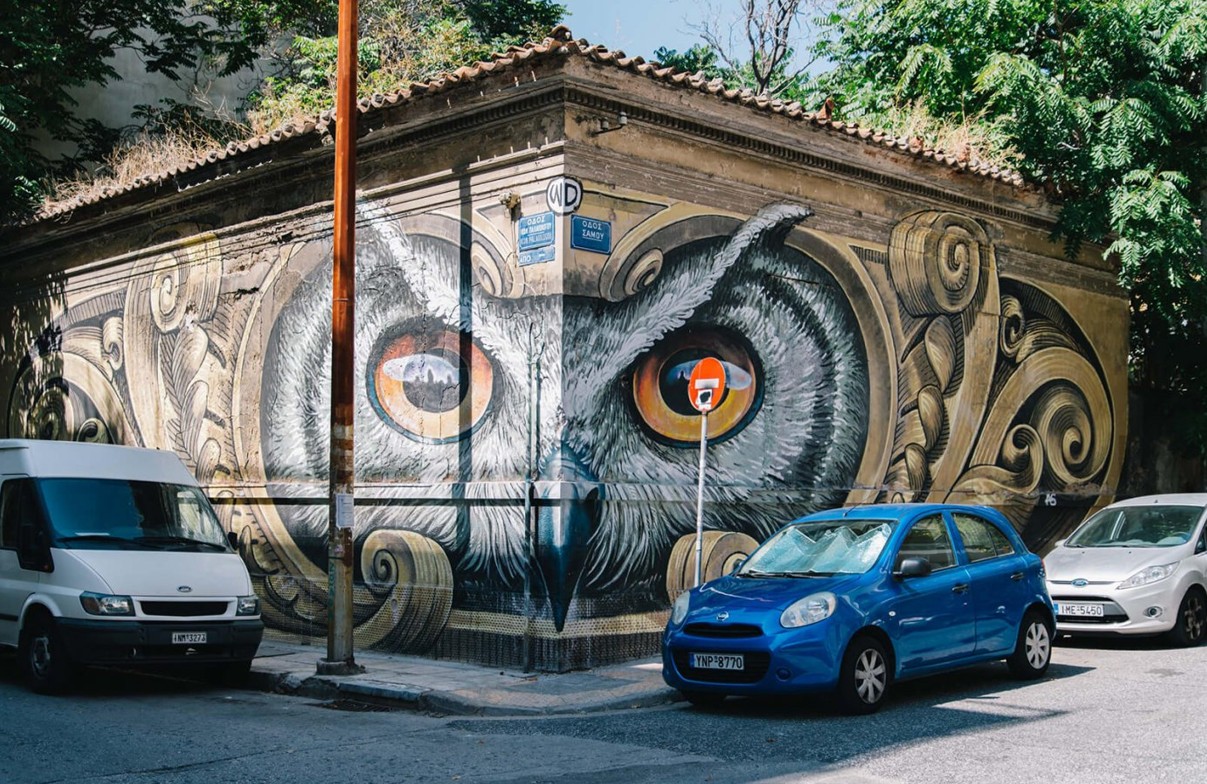
Urban Art of Athens, the famous “Knowledge speaks – Wisdom listens“
Athens is a safe, welcoming, and fundamentally hospitable city. Violent crime is rare, locals are warm and genuinely pleased to help visitors, and the city’s centuries of experience receiving travellers from across the world gives it a certain grace in looking after its guests. As with any major European city, simple awareness and sensible precautions will ensure your visit is entirely smooth.
Night Safety: Athens is a genuinely late-night city — dinner rarely begins before 9pm and neighbourhoods like Psyrri, Monastiraki, and Koukaki are alive and busy well past midnight. The city is safe at night, but as in any major European city, stay aware in quieter side streets in the small hours.
Heat: In May, June, and September, Athens is warm and manageable. In July and August, the heat can be severe — temperatures regularly exceed 35°C. Always carry water, wear sunscreen, and plan the most strenuous sightseeing (the Acropolis, above all) for early morning rather than midday.
Medical Facilities: Athens has several excellent private hospitals as well as public hospitals throughout the city. Travel health insurance is strongly recommended — ensure your policy covers private hospital treatment.
Pharmacies (Farmakeio): Athens has an excellent network of pharmacies, identifiable by the green cross sign. They are extraordinarily well-stocked and pharmacists are highly trained — for minor ailments, a Greek pharmacist is often the fastest and most practical first port of call.
Photography: The Acropolis and most archaeological sites permit photography for personal use. Flash photography is prohibited inside museums. Always ask permission before photographing people — Athenians are generally happy to oblige, but the courtesy is appreciated.
Language: English is widely spoken in hotels, restaurants, and tourist areas throughout Athens. Learning a handful of Greek phrases — Kalimera! (Good morning), Efcharisto! (Thank you), Parakalo (Please / You’re welcome), Yamas! (Cheers!) — will delight every Athenian you meet and open doors that remain closed to those who don’t try.
Currency: Greece uses the Euro (EUR). ATMs are plentiful throughout the city, and cards are accepted almost everywhere. Carry a small amount of cash for smaller kafeneions, street food vendors, and local markets.
Greek Coffee Experience: Sip the rich and robust flavours of Greek coffee, a cherished tradition served in tiny cups, embodying the essence of hospitality and conversation
Tipping: Tipping is appreciated but not obligatory in Athens. Rounding up the bill or leaving 10% at a taverna is warmly received — leaving a few coins on the table for a coffee is entirely normal and considered polite.
Electrical Outlets: Greece uses Type C and F plugs (Europlug). UK travellers will need a travel adapter — available at the airport or any large supermarket.
Cultural Respect: Dress modestly when visiting churches, monasteries, and religious sites. Remove hats and ensure shoulders and knees are covered before entering. The Acropolis itself has no dress code, but respectful behaviour on the sacred rock is always appreciated.
Tap Water: Athens tap water is safe to drink and among the better-tasting municipal water supplies in Europe. The city is proud of its water!
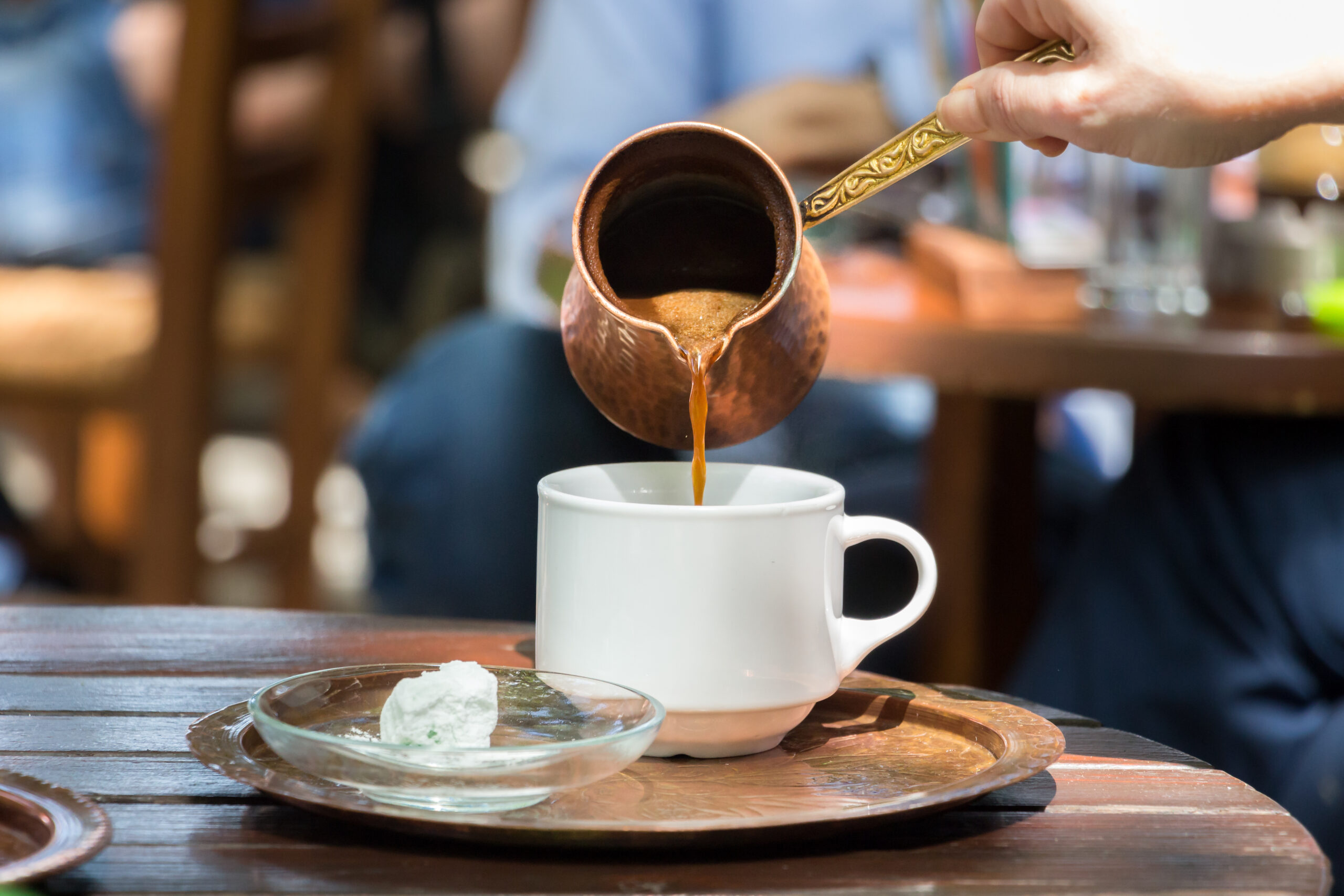
Traditional Greek Coffee
Got any questions? – Here we have 10 interesting answers!
Athens is one of the world’s oldest cities, with a recorded history spanning over 3,400 years. However, archaeologists have found evidence of human presence as far back as the 11th millennium BC. It is widely considered the “Cradle of Western Civilization” because so much of what we use today—logic, democracy, and even the way we write plays—started right here.
According to mythology, there was a contest to see who would be the city’s patron. Poseidon (God of the Sea) struck the ground with his trident and produced a saltwater spring. Athena (Goddess of Wisdom) planted an olive tree. The citizens chose the olive tree because it provided food, oil, and wood, while salt water was… well, just salty. Thus, Athens got its name.
Surprisingly, yes! While London and New York are famous for the West End and Broadway, Athens officially holds the record for the most theatrical stages globally (over 150). This is a point of pride, as the city is the literal birthplace of drama and tragedy.
When Athens built its subway system for the 2004 Olympics, workers kept hitting ancient walls, graves, and pottery. Instead of just moving them, the city turned several stations—like Syntagma and Monastiraki—into “mini-museums.” You can see 2,000-year-old burial sites and drainage pipes behind glass walls while waiting for your train.
If you hike up the slopes of the Acropolis, you’ll stumble into Anafiotika. It looks exactly like a Cycladic island (think Santorini), with tiny whitewashed houses and blue shutters. It was built in the 19th century by workers from the island of Anafi who missed home so much they recreated their village in the middle of the capital.
Nope! In ancient times, the Parthenon was a “technicolor” masterpiece. Research shows it was originally painted in vibrant shades of blue, red, and gold. The pristine white marble look we see today is actually the result of centuries of weathering and some over-enthusiastic cleaning in the past.
While they are often called “The Men in Skirts” by tourists, the Evzones (which literally translates from Ancient Greek to “The Well-Girt”) are actually a top-tier elite unit of the Hellenic Army. They aren’t just there for the photos; they are the Presidential Guard, and their role is deeply symbolic. They stand proud in front of the Hellenic Parliament in Syntagma Square.
You’ll find cats lounging on marble ruins, sleeping on cafe chairs, and staring judge-y at you from balconies. In Athens, stray cats are often considered “communal pets.” They are protected by law, and local volunteers (and the municipality) often provide food and medical care.
The Metropolitan Cathedral of Athens (Cathedral of the Annunciation) was built in the 19th century using material from 72 demolished Byzantine churches. If you look closely at the exterior walls, you’ll see ancient marble reliefs, crosses, and inscriptions that were essentially “recycled” into the new building. It’s a literal patchwork of Greek history!
Located in the Roman Agora, this octagonal marble tower is actually the world’s first meteorological station. Built around 50 BC, it featured eight sundials (one on each side), a wind vane on top, and a complex water clock inside to tell the time even on cloudy days or at night. It’s the high-tech gadget of the ancient world.
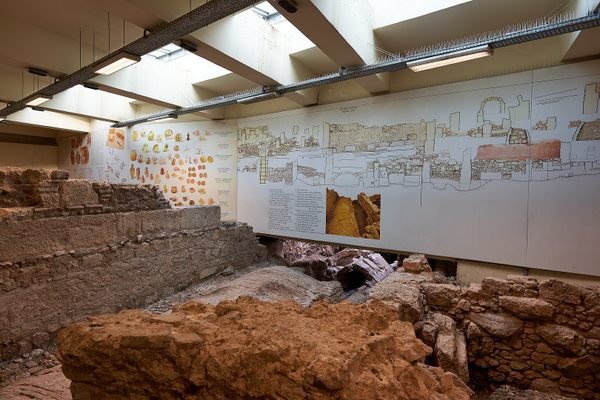
The ancient ruins in the Athens Metro Stations
Athens is not a city you visit once. It is a city that settles inside you — in the quality of its light, the particular noise of its evenings, the smell of oregano and grilled meat and jasmine that drifts through its streets on a warm night. It is ancient and young at once, perpetually becoming something new without ever ceasing to be itself.
Whether you are standing breathless before the Parthenon as the morning light strikes its columns, sitting over a long lunch in a Koukaki taverna while the neighbourhood hums with life around you, watching the sun descend behind Hymettus from the top of Lycabettus Hill, or losing yourself in the labyrinthine charm of a Plaka side street — Athens will find you. It always does!
This is Greece at its most profound, most layered, and most alive. Come once and come back always.
Kalo taxidi — happy travels to glorious Athens. 🏛️