

Switching careers is a bold and exciting move, one that more professionals are embracing as they seek new challenges, greater purpose, or better work-life balance in a rapidly evolving job market. With technological advances reshaping industries and new sectors emerging, many are rethinking their long-term goals and reconsidering whether their current career paths truly align with their values and aspirations. While making the leap into a new field can be daunting, requiring new skills and adjustments, the rewards—personal fulfillment, career growth, and a fresh sense of purpose—can make the journey worth every challenge.
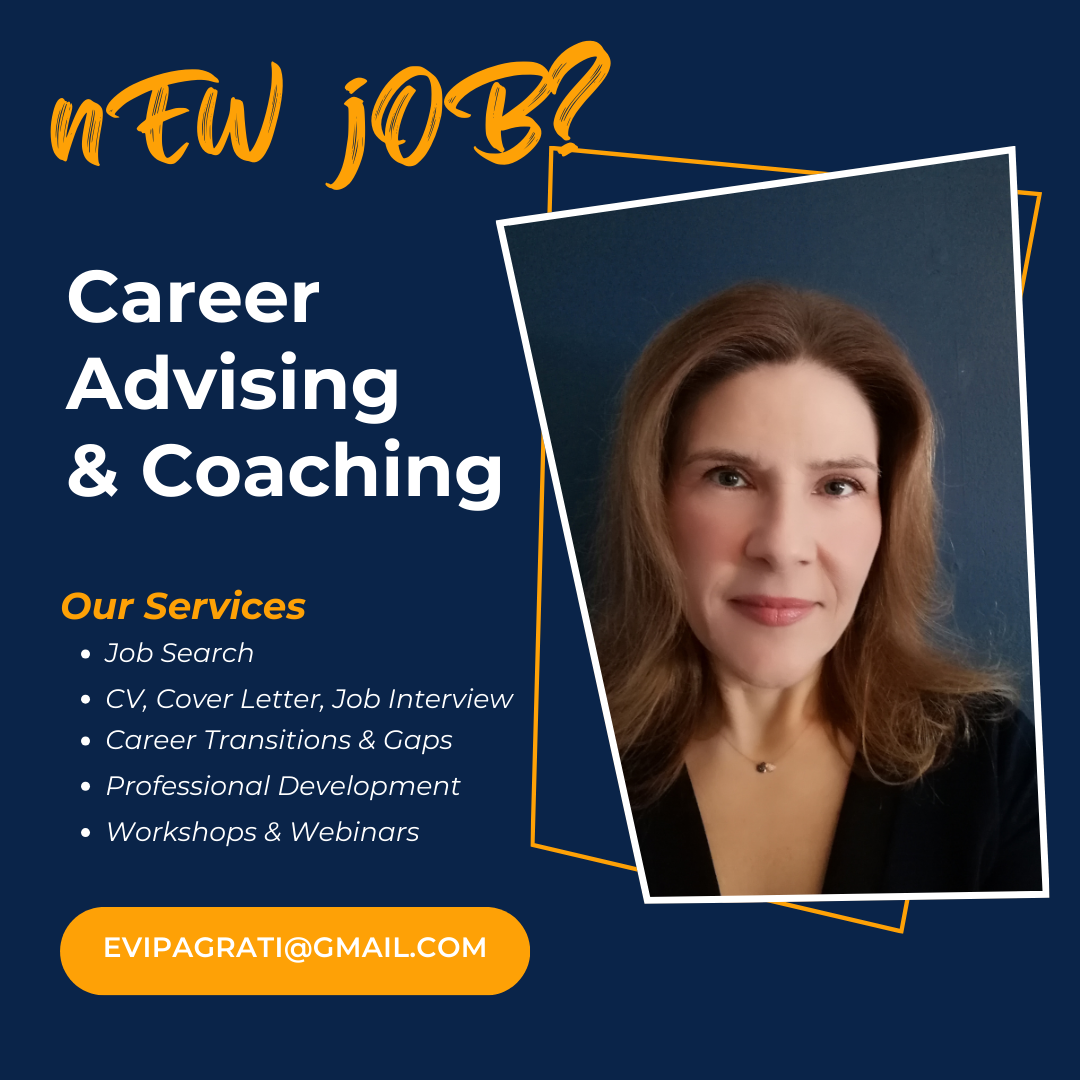
Career Advisor Evi Pagrati will walk you through the essential steps to successfully navigate a career switch and thrive in a new field, so take your notes!

Before making a leap into a new career, it’s crucial to understand why you’re considering a change. Is it because you feel burnt out, unfulfilled, or stagnant in your current role? Or perhaps you’ve discovered new interests and passions that align better with a different industry? By clarifying your motivations, you’ll be better equipped to make informed decisions and find a career that truly resonates with your goals and values.
Take some time to evaluate:
One of the most significant concerns for career switchers is whether they’ll have the skills required in a new industry. The good news is that many of the skills you’ve acquired in your current career are transferable. Skills like communication, problem-solving, leadership, and project management are valuable in almost every field.
Take an inventory of the skills you’ve gained throughout your career. Which ones are relevant to the industry you want to enter? For example:
By mapping your existing skills to your desired career, you’ll boost your confidence and make your switch smoother.
The next step is to thoroughly research your target industry. You need to understand the trends, demands, and qualifications required to break into the field. Start by reading industry publications, following thought leaders on social media, and listening to podcasts to get a sense of the current landscape. It’s also helpful to conduct informational interviews with professionals who work in the area you’re interested in.
Some key points to investigate include:
Gaining insight from people already working in the field will give you a clearer understanding of whether it’s the right move and what it will take to succeed.
Depending on the career you’re moving into, you may need to acquire new knowledge or certifications. Upskilling doesn’t always mean going back to college for a degree. There are countless online courses, boot camps, and workshops that can help you gain the skills you need in a shorter time frame. Platforms like Coursera, Udemy, and LinkedIn Learning offer courses on everything from coding and design to business analytics and digital marketing.
Additionally, some industries may value hands-on experience over formal education. Consider internships, part-time roles, or freelance opportunities to build a portfolio and get practical experience before making the full switch.
Networking is a powerful tool for anyone changing careers. Your current network can offer introductions, recommendations, and advice as you transition into a new role. Let people in your professional circle know that you’re exploring new opportunities and ask if they have any insights or contacts in the field you’re pursuing.
Attend industry-specific events, join professional groups, and engage in online communities related to your desired field. Building relationships with professionals already working in the industry can open doors to job opportunities and mentorship.
When applying for jobs in a new field, you’ll need to tailor your resume and LinkedIn profile to reflect your transferable skills and any relevant experience. Highlight the skills that are most relevant to the roles you’re targeting and minimize any outdated or irrelevant job duties from your previous positions.
If you’ve completed courses, certifications, or side projects that relate to your new career, make sure to showcase them. Your resume should tell a clear story of how your background, even in a different industry, makes you a valuable candidate for the job.
Switching careers isn’t always a smooth or immediate process. There may be challenges such as a pay cut, starting at a lower level, or adjusting to a completely different work environment. Be prepared for these shifts by creating a realistic plan.
Financial planning is essential if you anticipate a period of lower income while you get established in your new role. Set aside savings if possible, and consider whether you can transition gradually by working part-time in your current field while gaining experience in your new career.
Mentally preparing for the transition is equally important. Be patient with yourself, stay flexible, and remember that growth takes time. Celebrate small wins and progress, even if the journey is longer than expected.
Finally, be open to continuous learning as you settle into your new career. Every field evolves over time, so maintaining a growth mindset will help you stay competitive and adaptable. Seek out opportunities to expand your knowledge and improve your skills, whether through professional development, mentorship, or networking.
Embrace the uncertainty of the switch with a willingness to learn and grow. Over time, your new career will start to feel more familiar, and your efforts will pay off.

Making a career switch can feel daunting, but it’s also an opportunity to reinvent yourself and find greater fulfillment in your work. By following these steps—reflecting on your motivations, researching the industry, upskilling, leveraging your network, and staying open to learning—you can successfully transition to a new professional path. With the right planning and mindset, your career switch can become a rewarding journey toward a more satisfying and purpose-driven life.
Evi Pagrati is an experienced career advisor and coach with an MBA and a professional background in providing personalized career guidance. She currently works with the UK National Career Service and also offers private coaching services. Evi is accredited by the European Mentoring and Coaching Council (EMCC) and specializes in helping individuals at various career stages—whether they are just starting, seeking a promotion, navigating a career transition, or returning to work after a gap. Her coaching focuses on self-assessment, skills development, and market navigation, all aimed at empowering clients to achieve their professional goals
Book your free 30 minute Career Boost session, and change your life now!