



Greece has claimed the title of the Best Cuisine in the World for 2024/2025, as recognized by TasteAtlas, a global culinary guide often referred to as the “world map of flavors“. This accolade highlights the vibrant dishes, fresh ingredients, and rich culinary traditions that have made Greek cuisine a favorite among food enthusiasts worldwide.
The prestigious TasteAtlas ranking is based on 477.287 verified reviews covering 15.478 dishes from countries around the globe. Greece’s culinary offerings stood out among fierce competition, surpassing other gastronomic powerhouses such as Italy, Mexico, and Spain. According to the scores, Greece secured a remarkable 4,94 out of 5, edging out Italy, which earned 4,92, followed by Spain with 4,59 and Mexico at 4,53. These high ratings underscore the universal appeal and cultural significance of Greek cuisine, reaffirming its position as a global culinary leader.

Greek cuisine’s reliance on fresh, high-quality ingredients—such as olive oil, aromatic herbs, vegetables, legumes, dairy, and seafood—reflects a deep connection to the natural resources of the region. Each ingredient contributes to a balanced, flavorful, and healthful diet, rooted in the principles of seasonality, simplicity, and quality.

Olive oil is a fundamental ingredient in Greek cooking, serving as the primary fat used for both cooking and finishing dishes. Its high monounsaturated fat content is not only essential for flavor but also contributes to the health benefits associated with the Mediterranean diet. The quality of olive oil is paramount, with extra virgin olive oil being the preferred choice for its fresh, robust flavor. It enhances the taste of other ingredients, elevates the sensory profile of dishes, and is used across a variety of cooking techniques—whether sautéing, drizzling over fresh salads, or even in baking.
Greek cuisine is characterized by its use of aromatic herbs and spices, which provide depth and complexity to both savory and sweet dishes. Oregano is the most commonly used herb, lending a warm, earthy flavor that pairs well with the bold taste of olive oil and fresh vegetables. Thyme and rosemary, with their woody, slightly floral notes, are essential in marinades for meats, infusing them with a rustic, Mediterranean flavor. Dill and mint add a refreshing, almost citrusy brightness to dishes, enhancing the taste of legumes, vegetables, and yogurt-based preparations. The use of garlic and onions is a hallmark of Greek cooking, forming the aromatic base for many dishes. Cinnamon and nutmeg, though less frequent, contribute warmth and sweetness, adding an unexpected complexity to both savory and sweet elements of the cuisine.
Greek cuisine celebrates fresh, seasonal produce, which forms the foundation of many meals. Vegetables like tomatoes, eggplants, zucchini, and peppers contribute sweetness, earthiness, and a variety of textures. These vegetables thrive in the Mediterranean climate and are featured prominently due to their ability to absorb the flavors of olive oil and herbs. Leafy greens, including wild herbs and greens like horta, are staples, often served as simple sides or incorporated into stews. These ingredients provide a vibrant and healthful balance to the richer elements of Greek cooking, such as olive oil and cheese, and offer a broad range of nutrients, fiber, and antioxidants.
Lentils, chickpeas, and beans are essential sources of protein in Greek cuisine, particularly in vegetarian dishes. Legumes are valued for their ability to absorb the flavors of olive oil, garlic, and herbs, making them both flavorful and satisfying. They offer versatility, as they can be used in a variety of preparations, from soups to salads and stews. Legumes are also rich in fiber and essential nutrients, contributing to the health benefits of the Mediterranean diet. Their earthy, hearty taste pairs well with the other fresh ingredients in Greek cooking, providing substance without heaviness.
Cheese is a prominent feature of Greek cuisine, with varieties such as feta, graviera, and kefalotyri being among the most iconic. Feta is known for its crumbly texture and sharp, tangy flavor, while graviera offers a nutty, slightly sweet taste that intensifies when aged. Kefalotyri, a hard, salty cheese, has a bold, savory profile that complements both meat and vegetable dishes. Greek yogurt, with its thick and creamy consistency, is another essential dairy product, offering a cooling contrast to spiced dishes. The tanginess of Greek yogurt is a key component in many culinary preparations, and its richness adds a satisfying texture to both savory and sweet foods.
The abundance of coastline in Greece ensures a plentiful supply of fresh seafood. Fish such as sea bream and sea bass are highly valued for their delicate, clean flavors, while shellfish like mussels and shrimp are popular for their briny sweetness. Seafood plays a prominent role in Greek cuisine, prized for its freshness and the ability to capture the essence of the sea. The natural, unadulterated flavors of seafood are often enhanced with simple seasonings, such as olive oil, lemon, and herbs, allowing the quality of the ingredients to shine. This makes seafood an essential element in the Greek diet, particularly in coastal regions where it is a primary food source.
In Greek cuisine, lamb, pork, and chicken are the primary meats consumed. Lamb is especially revered for its rich, tender texture and is often paired with bold herbs like rosemary and garlic. Pork is another staple, valued for its versatility and its ability to absorb marinades and seasonings, contributing to its deep flavor. Chicken is often used in simpler preparations, allowing its natural flavors to stand out while being enhanced by olive oil, lemon, and herbs. Meats in Greek cooking are typically prepared with minimal intervention, focusing on the intrinsic flavors of the meat itself while enhancing them with fresh, aromatic ingredients.
Greek cuisine is defined by its simplicity, reliance on fresh, seasonal ingredients, and a deep respect for traditional techniques. It reflects the heart of Mediterranean cooking, balancing bold flavors with health-conscious choices.

Its main characteristics are:
Simplicity and Freshness
Greek cuisine is built on the philosophy of using simple yet high-quality ingredients. Meals are crafted to highlight the natural flavors of fresh produce, olive oil, legumes, and locally sourced meats and seafood. The use of herbs like oregano, thyme, rosemary, and mint enhances dishes without overwhelming them.
Health-Conscious Diet
The foundation of Greek cuisine aligns closely with the principles of the Mediterranean diet, which is known for its health benefits. Olive oil, the primary cooking fat, is rich in monounsaturated fats, which contribute to improved heart health. Vegetables, legumes, whole grains, and fish are staples, promoting a balanced intake of essential nutrients.
Seasonality and Locality
Greek food is deeply connected to the land and the seasons. The climate across Greece supports a variety of crops, including tomatoes, olives, cucumbers, and herbs. The cuisine emphasizes the use of what is in season, ensuring that dishes are made with the freshest available ingredients. This connection to the land fosters sustainability and supports local agriculture.
Cultural Heritage and Regional Diversity
Greek cuisine has been shaped by centuries of cultural exchange and historical influences, including the ancient Greeks, Romans, Byzantines, and Ottomans. The country’s diverse geography, ranging from coastal regions to mountainous areas, also influences the variety of dishes found in different regions. Coastal areas are known for their seafood, while inland regions often feature hearty meat dishes, slow-cooked stews, and casseroles.
Communal Dining
Greek meals are often communal, emphasizing shared plates and the importance of family and community. Meze, small plates of food such as dips, olives, and cheeses, are frequently served to encourage social interaction. Sharing food is seen as a way to foster connection and celebration.
Greek dishes and ingredients highlight the essence of Mediterranean flavors, blending simplicity with quality. From fresh produce to artisanal cheeses and olive oil, Greek cuisine showcases a rich culinary heritage.
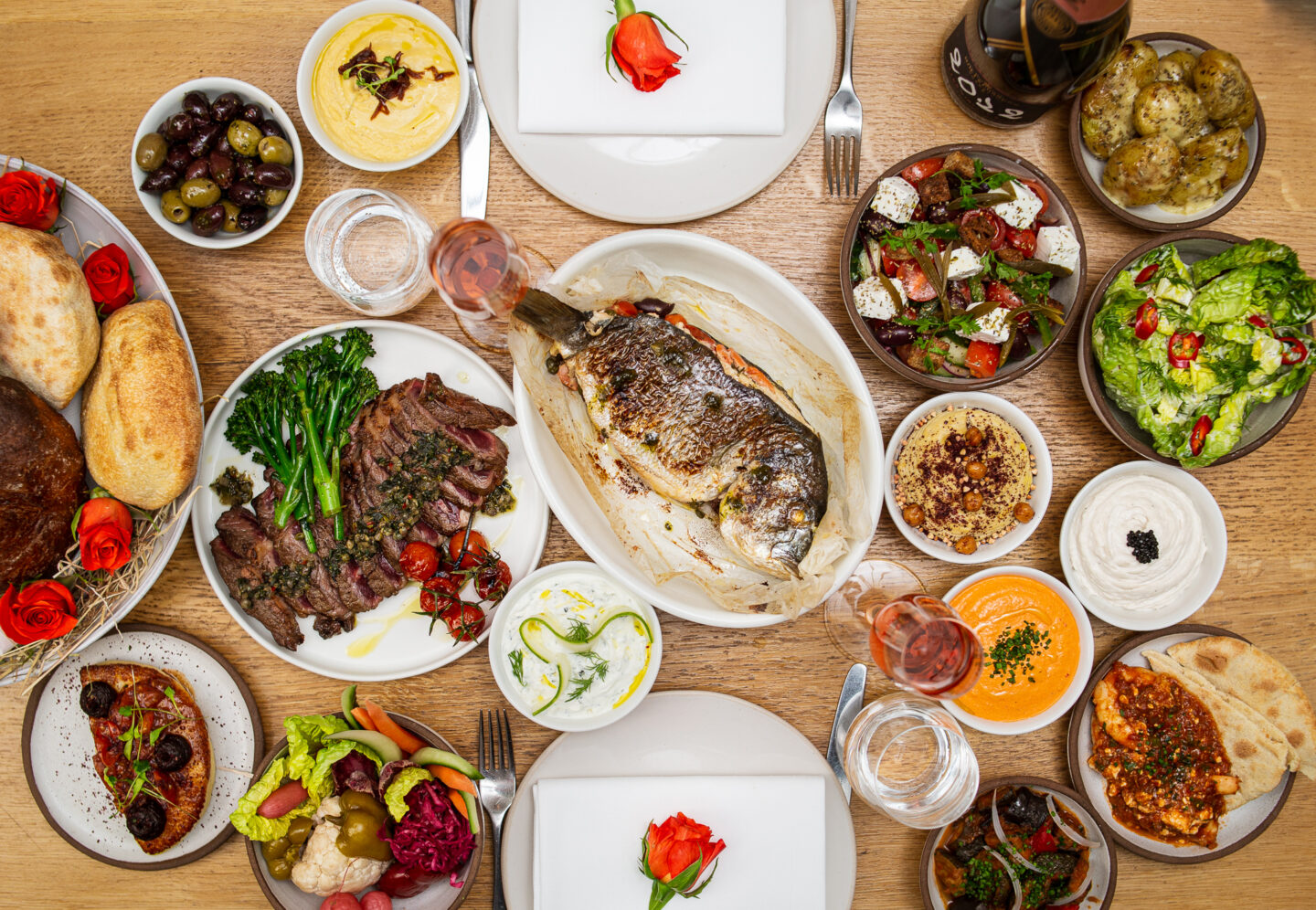
The list is endless, but here is our top pick!
Greek dishes are diverse and regionally inspired, reflecting the country’s geography, history, and cultural influences. These iconic dishes showcase the balance of flavors, textures, and the use of seasonal, local produce.

Greek desserts are as diverse and indulgent as the savory dishes, often featuring nuts, honey, and aromatic spices.

Greek cuisine owes much of its success to the exceptional quality of its local products, shaped by the country’s diverse climates and landscapes.

London offers an excellent array of Greek cuisine, blending authentic flavors with contemporary dining experiences. From vibrant street food to sophisticated Mediterranean fare, it’s easy to find a spot that captures the heart of Greek gastronomy.

Drawing inspiration from the abundance of the Greek seas, this restaurant brings the Mediterranean culture of the Greek peninsula to London’s dining scene.
Contact Information:
An impressive, unique and well-established Greek restaurant that is conveniently located between Bayswater and Queensway, that emphasises family-style food, traditional pastries (tsourekia, baklava etc.) and real Greek coffee.
Contact Information:
A shop where people would enjoy pitas from grannies all over Greece, reminding them of their childhood, started coming to life
Contact Information:
This restaurant brings the love for Mediterranean flavours and gave it a home in a friendly and cosy place, five minutes from Hyde Park, in the heart of London.
Contact Information:
The owners of Going Greek have dedicated themselves (and its fancy kitchen) to recapturing the glory of greek food. A lot of the menu options are even veggie/vegan-friendly, too.
Contact Information:
A Greek bakery that combines all the traditional savoury and sweet flavours that we know and love with all the new flavours that modern Greek baking has to offer.
Contact Information:
It offers Greek Traditional Bread, Pastries, sandwiches, snacks, Freddo espresso and Freddo Cappuccino!
Contact Information:
This restaurant is hailed by the Automobile Association of America Guide as the best Greek restaurant in the world. Lunch can include anything from fresh fish dishes to salt marsh lamb and finishing off with sweet-tasting desserts.
Contact Information:
Based in North East London, in the vibrant and cool Hackney, Pitta Lab – Restaurant offers traditional Greek street food, as well as many vegetarian and vegan options, satisfying every desire!
Contact Information:
In London, authentic Greek products like olive oil, olives, feta cheese, and herbs can be found at specialty food markets and larger grocery stores with international sections. These products offer a taste of Greece’s culinary traditions, making it easy to recreate Greek dishes at home.

They specialise in supplying authentic Greek food products in Crystal Palace (South East London), and, they deliver high quality authentic Greek products to the wider community. Their customers enjoy a delicious choice of takeaway hot and cold refreshments with Greek flavours.
Contact Information:
UK’s leading supplier and distributor of premium Greek produce, sourcing the finest quality food products, wines, spirits and beers from across Greece and working directly with a network of small artisan producers.
Contact Information:
They strive to support their clients’ needs and improve their services daily, providing customer-centric services. After spending years of travelling around Greece, Bakalikon has brought artisanal products from Greek local producers.
Contact Information:
Their mission is to source & promote the unique flavours of Greece, reflecting the country’s rich biodiversity and geodiversity, unparalleled Mediterranean climate and long culinary history.
Contact Information:
Greek cuisine’s global appeal lies not only in its vibrant flavors and health-conscious approach but also in its ability to tell a story of tradition, connection, and sustainability. Each dish reflects a rich cultural heritage while embracing modern culinary values like simplicity and seasonality. Whether enjoyed in a local taverna overlooking the Aegean or in a bustling urban restaurant halfway across the world, Greek cuisine invites people to share in its warmth, fostering a sense of community and timeless joy!