Andros Island: The Green Gem of the Cyclades – Your Complete Travel Guide for 2026!
Travel Guides, Top Stories, What’s on
Posted 2 weeks ago
1. Andros: A quick introduction
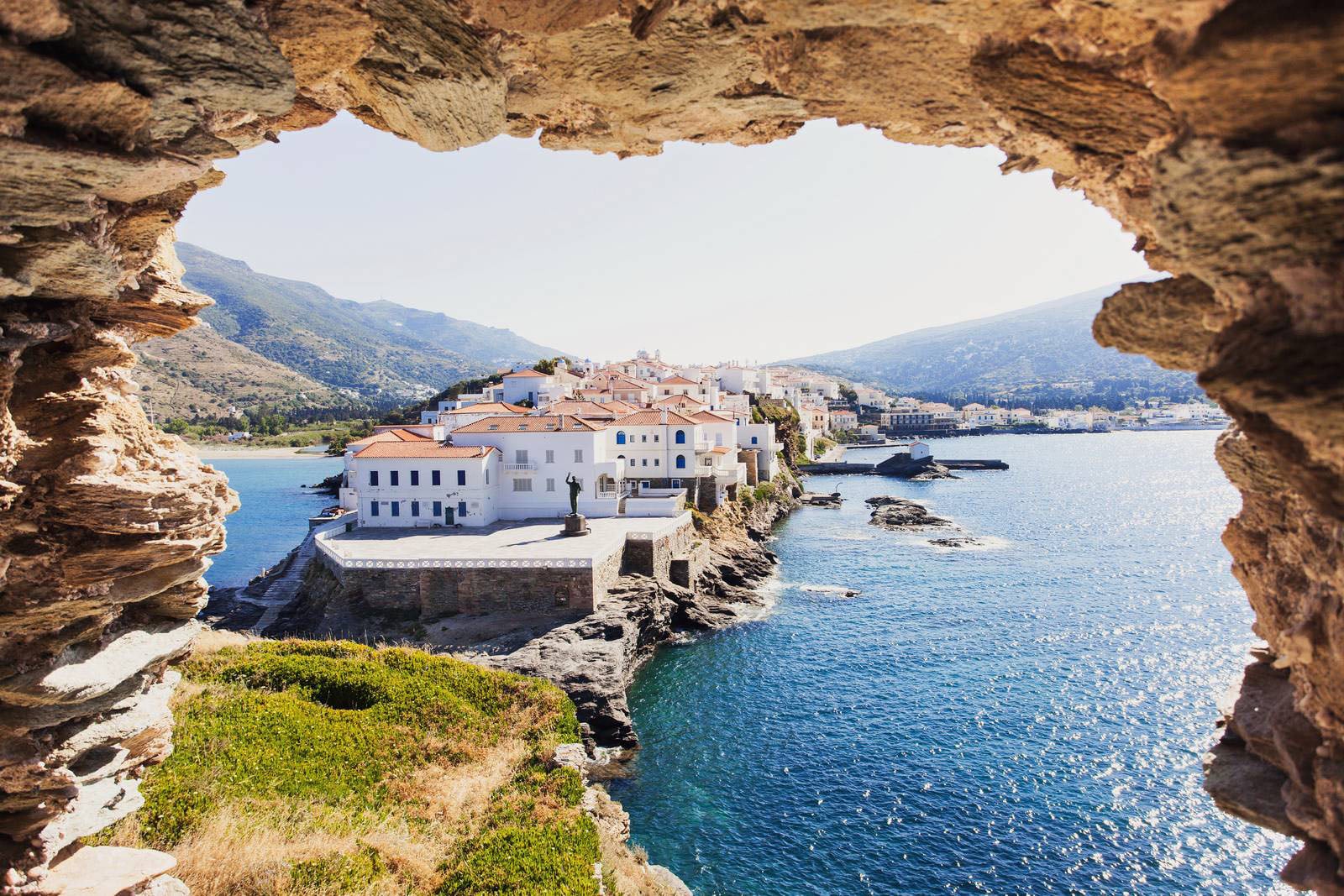
Nestled at the northernmost tip of the Cyclades, Androsis a captivating island that seamlessly blends history, culture, and breathtaking natural beauty. Often called the “Green Island of the Cyclades” — a name that sets it apart from its sun-bleached neighbours — Andros is laced with gushing springs, lush river valleys, ancient cobblestone paths, and a remarkable legacy of seafaring wealth that has left behind world-class museums and elegant neoclassical mansions.
This enchanting destination invites travellers to embark on a journey of discovery like no other. Whether wandering through the marble-paved streets of its stunning capital, Andros Town (Chora), hiking a trail to a hidden waterfall, swimming in a secluded turquoise cove, or savouring a plate of fresh fish at a harbourside taverna — Andros promises an unforgettable experience that will leave a lasting impression on your heart and soul.
Best Season to Visit Andros: While Andros is wonderful throughout spring and summer, the very best time to visit is right after Easter — from late April through to mid-June. The island is at its most lush and green, wildflowers carpet the hills, the springs are running full, temperatures are perfectly warm without being overwhelming, the sea is calm and inviting, and Andros is alive with local energy — yet blissfully free of the summer crowds. This is Andros at its finest.
Andros awaits — let the Odyssey begin!
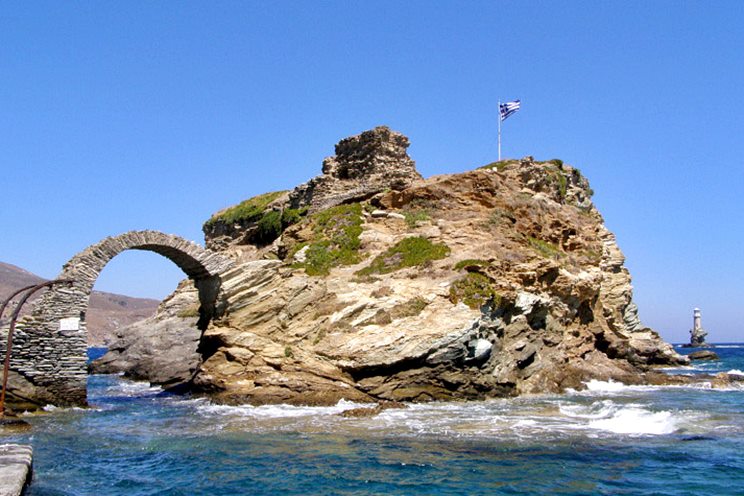
The “Lower” Castle ruins in the Chora of Andros
2. Andros: A Brief History
The history of Andros is rich and diverse, stretching back to the Neolithic era. In antiquity, the island flourished as a powerful city-state with a strong maritime tradition, establishing colonies on the northern Aegean coast as far as Thrace — most notably the city of Akanthos. Its strategic position at the gateway to the Cyclades made it a place of immense commercial and military significance throughout the classical period.
During the Byzantine era, Andros was a prosperous and relatively peaceful island, before passing into Venetian hands in the 13th century as part of the Duchy of the Archipelago. The Venetians, followed by the Ottomans, left their own marks on the island’s architecture and culture. Andros was incorporated into the modern Greek state in 1829 following the Greek War of Independence, an event the island had supported with considerable resources and courage.
In the 19th and 20th centuries, Andros rose to become one of the most important seafaring centres in Greece. Its wealthy shipping families — names like Goutos, Empeirikos, and Nomikou — endowed the island with remarkable cultural institutions: the Museum of Contemporary Art (MoCA Andros), the Archaeological Museum of Andros, and a network of neoclassical mansions that give the Chora of Andros an architectural sophistication unmatched among the Cyclades.
Today, Andros stands as a testament to its enduring history, warmly inviting visitors to discover its unique character.
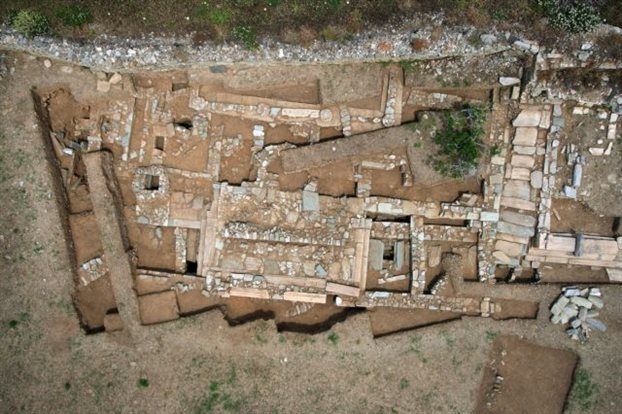
Archaeological Site of Paleopolis in Andros
3. Getting to Andros from the United Kingdom
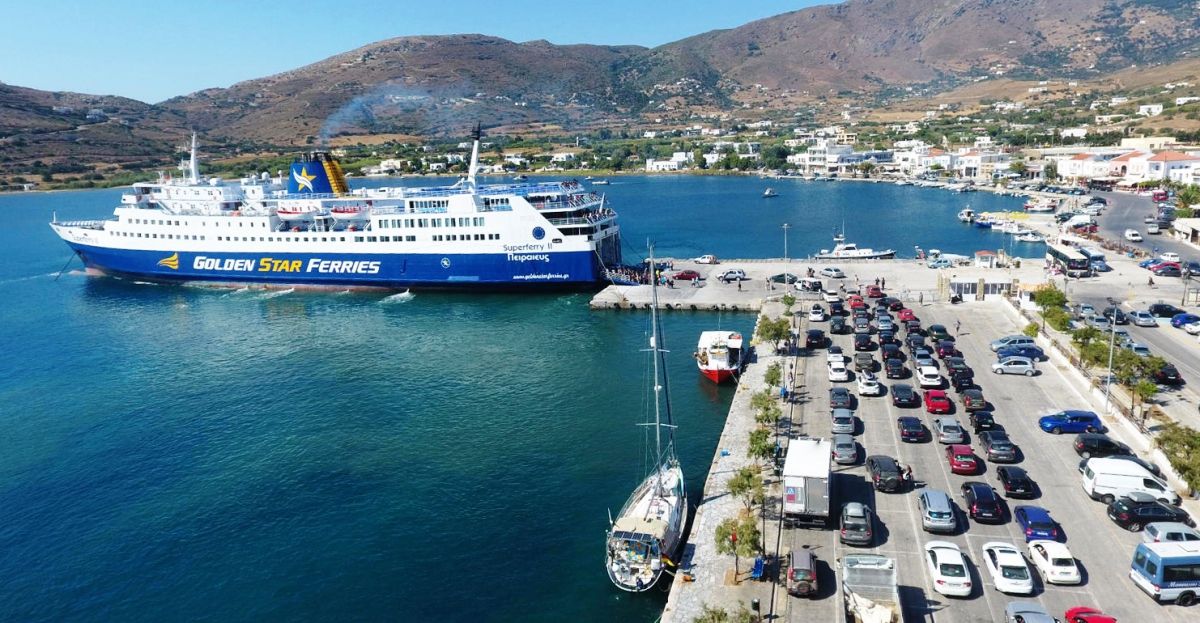
Travelling to Andros from the United Kingdom is straightforward. The most common and convenient route is to fly to Athens International Airport (ATH)and then make your way to the nearby port of Rafina, which is the primary ferry gateway to Andros. From Rafina, regular ferry services— operated by Golden Star Ferries and others — sail to Gavrio, the main port of Andros, in approximately 2 hours. Important Note: The Port of Piraeus does not operate ferry routes to Andros.
Direct and connecting flights from major UK airports (London, Bristol, Edinburgh etc) to Athens are available year-round with airlines including British Airways, easyJet, Ryanair, and Aegean Airlines. Book your flights on Skyscanner now!
Book both flights and ferries at least 2–3 months in advance if travelling in the post-Easter or summer season. Ferries from Rafina to Andros fill up fast — especially in the week following Greek Orthodox Easter, when Athenians flood the Cyclades.
Getting from Athens Airport to Rafina Port
Bus (KTEL): The most affordable option. Direct buses run from Athens Airport to Rafina every hour, taking approximately 30–40 minutes.
Taxi / Transfer: A taxi from the airport to Rafina takes around 25 minutes and is a convenient option if you have heavy luggage.
Car Rental: If you plan to rent a car on Andros, you can drive directly from the airport to Rafina and load the car onto the ferry.
The Gavrio Port in Andros
4. The Weather in Andros During Spring and Summer
Andros enjoys a classic Mediterranean climate — warm, dry summers, mild and greener winters, and two absolutely glorious shoulder seasons. Of all the seasons, spring — and particularly the weeks right after Easter — stands out as the most magical time to visit the island.
The post-Easter period (typically late April through June) combines the very best that Andros has to offer: pleasantly warm temperatures, lush green landscapes still fed by winter rains, crystal-clear seas that are warming up for swimming, and a relaxed island atmosphere buzzing with post-Easter energy — but without the peak-summer heat or crowds. By late May, sea temperatures are perfectly comfortable for swimming, and the famous Andros hiking trails are at their most stunning.
Month
Avg. Temp (°C)
Sea Temp (°C)
Sunshine (hrs/day)
Crowd Level
April (post-Easter)
17–21°C
17°C
8
Low ✓ Best
May
19–24°C
19°C
9
Low–Medium ✓ Best
June
23–28°C
22°C
11
Medium
July
27–32°C
24°C
12
High – Peak Season
August
27–33°C
25°C
12
Very High – Meltemi Winds Period
September
24–28°C
24°C
10
Medium
⚠️ Note on August: Andros is one of the windiest islands in the Cyclades, particularly exposed to the famous meltemi (northerly Aegean wind) in July and August. While the wind can be refreshing, it can make some north-facing beaches uncomfortable and the sea choppy. The post-Easter spring period is largely wind-free and serene.
For a comprehensive weather forecast, check meteo.gr.
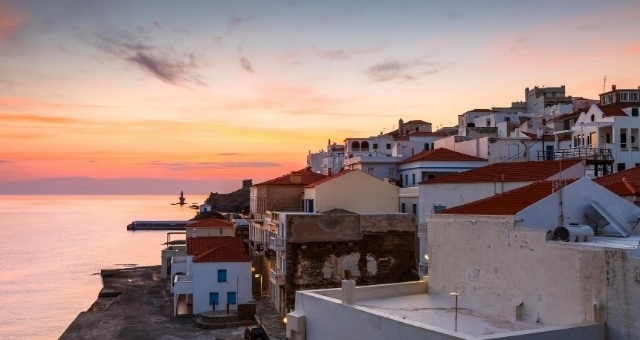
Sunset in Andros Island
5. Top Destinations and Attractions in Andros
Andros is a captivating island known for its rich history, stunning natural landscapes, and vibrant cultural heritage. With its medieval castle town, world-class museums, ancient cobblestone trails, and charming mountain villages, Andros beckons travellers to explore its unique blend of past and present. Whether diving into Byzantine frescoes, marvelling at a Hellenistic tower, or simply strolling through a spring-scented olive grove, visitors are sure to be enchanted by the extraordinary depth of this island.
Here are some selected must-visit places in Andros:
Andros Town (Chora): The neoclassical capital perched on a rocky promontory. Marble streets, the ruined Venetian castle, and panoramic Aegean views.
Museum of Contemporary Art (MoCA):One of Greece’s finest art museums, hosting major international exhibitions. Unmissable for culture lovers.
Ancient Palaiopolis:The ancient capital of Andros with fascinating archaeological remains and a picturesque coastal setting.
Agios Petros Tower: A remarkably well-preserved Hellenistic tower standing nearly 20 metres tall — one of the finest in the Aegean.
Pythara Waterfalls: A short scenic hike leads to a series of stunning natural waterfalls — spectacular in spring when the water runs full.
Sariza Spring, Apikia: Famous mineral spring water enjoyed at its source, in the picturesque village of Apikia.
Maritime Museum of Andros:Celebrating the island’s proud seafaring legacy, with magnificent model ships and navigational artefacts.
Mesaria Village: Traditional village of extraordinary beauty, surrounded by springs, plane trees, and Byzantine churches.
The Andros Route (180+ km): The finest hiking trail network in the Cyclades, connecting villages, valleys, springs, and coastline.
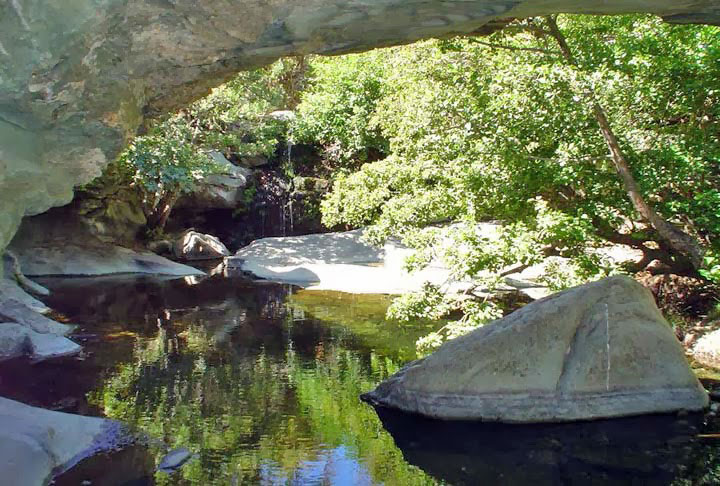
Pyrhara Waterfalls
6. The Best Beaches in Andros
Andros is blessed with an extraordinary variety of beaches — from wide sandy bays with calm, turquoise water to dramatic, cliff-backed coves accessible only by boat or on foot. Thanks to its lush topography and fresh spring water flowing to the sea, the waters around Andros are among the clearest in the Cyclades. The post-Easter period is a wonderful time to discover these beaches in peaceful solitude before the summer crowds arrive.
Agios Petros Beach: A long, sandy Blue Flag beach near Gavrio, sheltered and ideal for families. One of the most popular on the island, with beach facilities and clear shallow water.
Achla Beach: A wild, pristine cove accessible only by trail (approx. 45-minute hike) or boat. One of the most beautiful and unspoilt beaches in all of the Cyclades — a true hidden gem.
Paraporti Beach: A long sandy beach right at the foot of Andros Town (Chora), with dramatic views of the castle. Ideal for a morning swim after exploring the Chora.
Gialia Beach: A sheltered sandy beach in a stunning bay near Batsi. Calm, clear water and a lovely beachside taverna — perfect for a relaxed afternoon.
Fellos Beach: A sweeping sandy beach popular with locals, close to Gavrio. Blue Flag certified, with easy access and good facilities.
Vitali Beach: A remote and utterly beautiful pebble beach surrounded by rocky cliffs, accessible by a scenic trail. Truly worth the effort.
Ateni Beach: A tranquil, tree-lined sandy beach in a lovely bay on the eastern coast — one of the most peaceful spots on the island.
Batsi Beach: The main beach of the lively resort village of Batsi. Sandy, well-organised, and surrounded by tavernas and cafes — great for those who like convenience alongside their swim.
Many of Andros’s most beautiful beaches — like Achla and Vitali — are best reached on foot via the island’s hiking trails. Post-Easter spring is the ideal season for combining a beach hike with a swim in crystal-clear water.
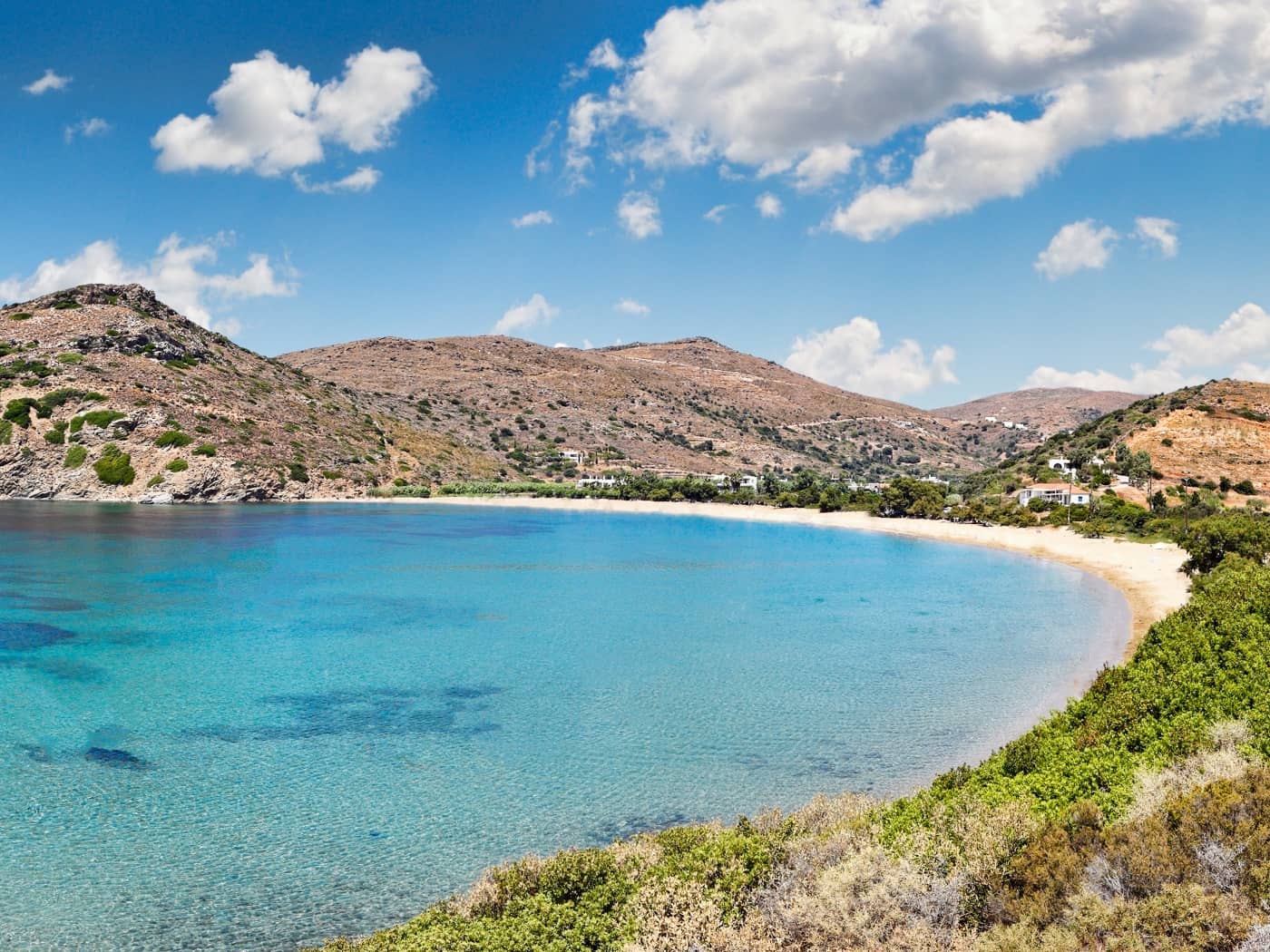
Fellos Beach
7. The best place to Eat in Andros
Andros has a dining scene as layered and surprising as the island itself — rooted in proud local tradition, shaped by the sea, and elevated by a new generation of venues that understand exactly what a perfect Aegean day deserves at its end. Whether you are lingering over a slow lunch at a village taverna or watching the sun dissolve into the sea with a cocktail in hand, eating and drinking well on Andros is never difficult. But if there is one experience that rises above all others — one place that has quietly become the soul of the island’s summer — it is toπos.
The Standout Experience: toπos — Agios Petros Beach, Andros
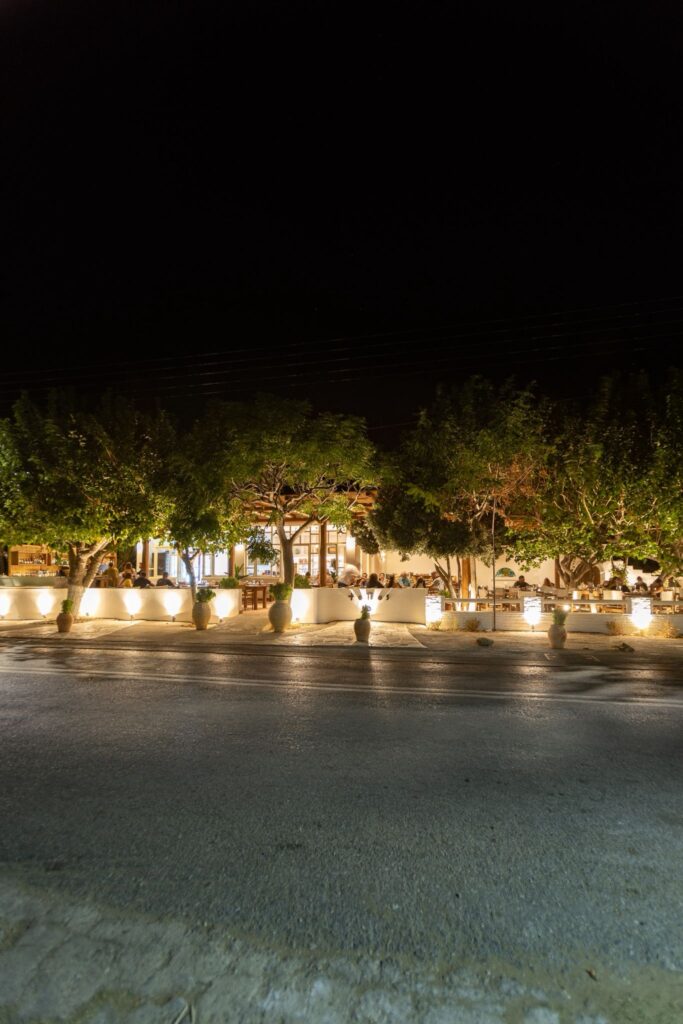
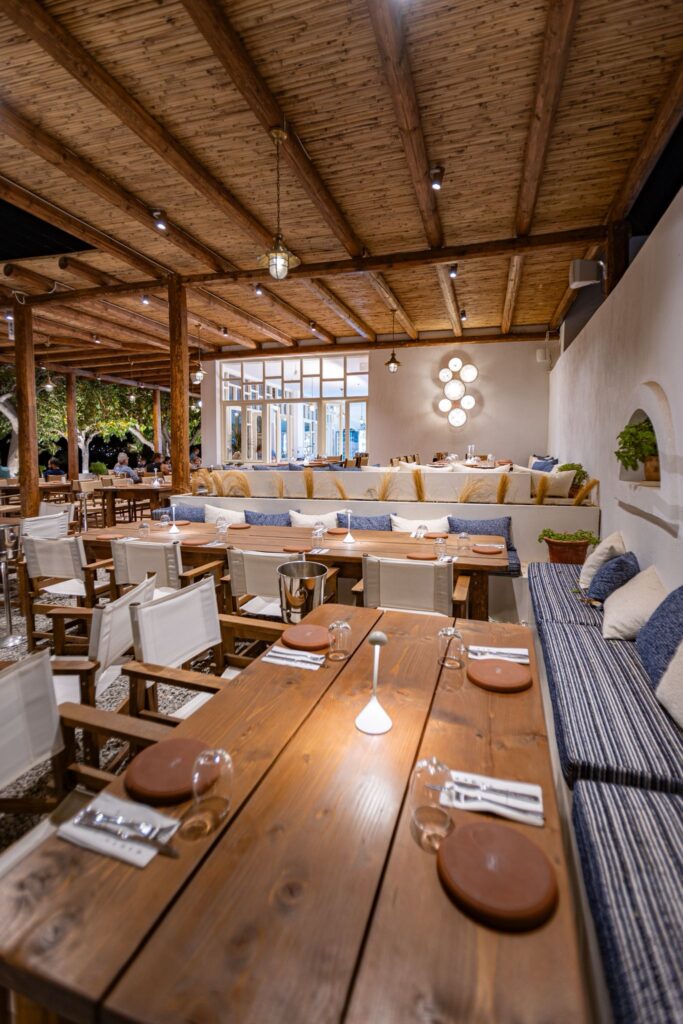
Named after the Greek word “topos” which means “place“, toπos is more than a restaurant — it is a state of mind. Perched on the edge of Agios Petros, the island’s longest and most beautiful beach, toπos is where the golden sand meets effortless elegance, where the music finds the sea, and where every sunset feels like a private blessing. It is a sacred space — curated, soulful, and utterly unforgettable.
Whether you arrive for a long, unhurried lunch with the Aegean stretching out before you, stay for the cocktails as the sky shifts from blue to amber to violet, or come to dance under the stars on one of the island’s most atmospheric summer nights — toπos delivers on every level. The food is as considered as the setting: fresh, seasonal, Mediterranean-inspired, and served with the kind of warmth that makes you want to linger long past the last light.
It is also the island’s most coveted venue for private events, beachfront celebrations, and weddings — a place where moments are curated by the sea and memories are made that last far past sunrise.
Open from late May to end of September only. If your visit to Andros falls within this window, an evening — or an entire afternoon — at toπos is absolutely not to be missed. Book ahead; this is the kind of place that fills up fast.
No visit to Andros is complete without sitting down to the island’s most beloved dishes — recipes passed down through generations, made with ingredients grown, caught, and cured right here on the island. Don’t miss the following local flavors!
Froutalia: The most iconic dish of Andros — a hearty traditional omelette made with local handmade sausages, potatoes, and eggs, cooked in olive oil. Best enjoyed with freshly baked bread for the full Andriot experience.
Ladotyri (Oil-Cured Cheese): An aromatic local cheese aged in olive oil, giving it a rich and tangy flavour. Often served as part of a meze platter — try it paired with Andriot honey for a stunning sweet-savory combination.
Kaltsounia: Sweet or savory handmade phyllo pies, filled with cheese, herbs, or honey. The sweet versions include cinnamon and are a popular island dessert.
Petoura (Homemade Pasta): A traditional pasta made from scratch, served with a tomato-based sauce or cheese — a simple yet deeply flavourful dish that showcases Andros’ culinary roots.
Amigdalota (Almond Sweets): Soft, almond-based sweets flavoured with rose or orange blossom water and coated in powdered sugar — traditionally served at celebrations and alongside coffee.
Alevropita: A thin, crispy pie made with a simple batter of flour, olive oil, and feta cheese. It’s a light and flavorful snack or appetizer.
The famous Froutalia of Andros!
8. Outdoor Activities in Andros
In Andros, the island’s extraordinary natural endowment — springs, rivers, gorges, forested valleys, and 180 kilometres of ancient stone-paved trails — makes it an outdoor paradise quite unlike any other Cycladic island. From epic hikes with panoramic sea views to kayaking in turquoise coves, Andros unfolds as a remarkable adventure playground. Right after Easter, when the landscape is at its most lush and the weather is ideal, the island is simply magical for outdoor exploration.
Hiking the Andros Route: The island’s legendary trail network connects villages, valleys, waterfalls, and coast. The route from Menites to Mesaria through the riverbed is a springtime highlight. Pick up a trail map from the Andros Routes information office in the Chora.
Trail to Achla Beach: One of the most rewarding hikes on the island — a 45-minute walk through olive groves and rocky terrain to one of the most beautiful wild beaches in the Cyclades.
Kayaking & Stand-Up Paddleboarding: The calm, crystal-clear waters of Andros are perfect for sea kayaking and paddleboarding. Several operators offer rentals and guided coastal tours, particularly from Batsi and Gavrio.
Cycling: Andros has a developing network of cycling routes through its valleys and villages. E-bike rentals are available in the main resort areas.
Birdwatching: Andros is a stop on major migratory bird routes. Spring (post-Easter) is prime birdwatching season, with rare migratory species passing through the island’s wetlands and valleys.
Visit the Pythara Waterfalls: A short hike from the road leads to a series of beautiful waterfalls — running at full force right after the winter rains in spring.
Photography Tours: The combination of neoclassical architecture, ancient stone trails, spring wildflowers, and Aegean light makes Andros a photographer’s dream. Spring mornings offer particularly magical light conditions.
Snorkelling & Diving: The clear Aegean waters around Andros offer excellent visibility for snorkelling, especially at rocky coves like Vitali and Achla.
Rock Climbing: The rugged rocky landscape of northern Andros offers exciting opportunities for climbing enthusiasts, particularly around the Akrotiri peninsula.
The Mountain Paths of Andros
9. Day Trips from Andros
Andros’s position at the northern tip of the Cyclades — just two hours from the mainland port of Rafina — makes it an ideal base for exploring the broader Aegean region. The neighbouring Cycladic islands are easily reachable by ferry, and a day trip to any one of them offers a completely different island experience to complement your time on Andros.
Tinos: The closest neighbour to Andros and easily reached by ferry in approximately 30 minutes. Tinos is a deeply spiritual island, home to the revered Church of Panagia Evangelistria, as well as spectacular Cycladic villages (like Pyrgos), and a thriving food culture.
Syros: The elegant capital of the Cyclades, Ermoupolis, is one of the most architecturally stunning towns in all of Greece. Reachable by ferry in around 1.5 hours, Syros is a wonderful day trip for history and culture lovers.
Mykonos: The iconic party island is reachable by ferry in approximately 2 hours. A day trip to Mykonos gives you time to explore its charming Little Venice neighbourhood, iconic windmills, and glamorous harbour — before returning to the serenity of Andros for the night.
Delos: The sacred birthplace of Apollo, UNESCO World Heritage Site, and one of the most awe-inspiring archaeological destinations in the entire Mediterranean.
Andros offers a beautiful and varied range of accommodation — from boutique hotels in the neoclassical Chora and clifftop resorts with sweeping Aegean views, to charming family guesthouses tucked into mountain villages. For post-Easter and early summer travel, the atmosphere is wonderfully relaxed and welcoming, with most properties offering excellent value compared to peak July and August rates.
11. Local Transportation and Getting Around Andros
Andros is a large island by Cycladic standards, so having a plan for getting around is important to make the most of your visit. Here are the main transport options:
Car Rental: The single best way to explore Andros at your own pace. Several rental agencies operate near the port of Gavrio, and having a car opens up the mountain villages, remote beaches, and archaeological sites that public transport cannot reach. Book in advance for post-Easter and summer travel.
Local Bus (KTEL Andros): A bus service connects Gavrio, Batsi, and Andros Town (Chora), running several times daily. Schedules are reduced outside peak season — check current timetables at the port or tourist office.
Taxi: Taxis are available on the island but limited in number. Always book in advance, particularly for early morning ferry connections. Ask your accommodation to arrange this.
Motorbike & Scooter Rental: A popular option for the summer months. Ideal for the coastal road between Gavrio and Batsi. Take extra care on the island’s winding mountain roads.
Bicycle & E-Bike Rental: Available in Batsi and Gavrio. The valley roads are wonderfully cycle-friendly in the cooler spring months.
Walking: Andros Town (Chora) is entirely pedestrian — its marble lanes are off-limits to cars — and best explored entirely on foot. The trail network also makes foot travel a genuine and rewarding way to move between nearby villages.
Water Taxi / Boat Hire: In summer, water taxis connect the main beaches. In spring, private boat hire is the best way to reach the more remote coves like Achla.
Andros: Perfect for your cycling adventures!
12. Safety and Travel Tips for Andros
Andros is a very safe and welcoming island with warm, hospitable locals. Nevertheless, ensuring your safety and being well-prepared will help you make the most of your visit. Here are the most important tips:
Medical Facilities: Andros has a Health Centre in Andros Town. For serious emergencies, patients may be transferred to Syros or the mainland. Carry travel health insurance — it is strongly recommended.
Hiking Safety: Always carry water, sunscreen, and a charged phone when hiking. Download offline trail maps via the Andros Routes website before you set out. Tell your accommodation where you are going.
Sun & Heat: Even in spring, the Greek sun is intense. Wear sunscreen, a hat, and stay hydrated — especially on longer hikes.
Sea Safety: Andros can experience strong northerly winds. Always check conditions before swimming at exposed beaches, and respect red flag warnings.
Language: English is widely spoken in tourist areas. A few Greek phrases — Kalimera! (Good morning), Efcharisto! (Thank you), Parakalo (Please / You’re welcome) — will delight every local you meet. Here you can learn some Greek phrases!
Currency: Greece uses the Euro (EUR). Cards are accepted in hotels and most restaurants, but carry cash for smaller village tavernas and local markets.
Electrical Outlets: Greece uses Type C and F plugs (Europlug). UK travellers will need a travel adapter.
Cultural Respect: Dress modestly when visiting churches and monasteries. Remove hats and cover shoulders and knees before entering religious sites.
Ferry Timing: Ferries to and from Andros can be subject to delays in windy conditions. Build flexibility into your travel plans, especially for onward flight connections.
Tap Water: Tap water on Andros is generally safe to drink — the island’s famous spring water is one of its great joys. Bottled water is widely available for those who prefer it.
🚨 Emergency Numbers — Save These!:
– Police: 100
– European Emergency Number: 112
– Medical Emergency: 166
– Fire Department: 199
– Andros Health Centre: +30 22820 22222
– Gavrio Port Authority: +30 22820 71213
– British Embassy Athens: +30 210 727 2600
13. Interesting FAQs about Andros
What is the best time to visit Andros?
The best time to visit Andros is right after Greek Orthodox Easter — from late April through to mid-June. The island is lush and green, temperatures are warm and pleasant (18–26°C), the sea is calm and clear, wildflowers are in bloom, and the famous hiking trails are at their absolute finest. The summer crowds have not yet arrived, making this the perfect sweet spot for a deeply rewarding visit.
How do I get to Andros from the UK?
Fly to Athens International Airport (ATH), then travel by bus or taxi to the nearby port of Rafina (approximately 30–40 minutes). From Rafina, regular ferries operate to Gavrio — the main port of Andros — in approximately 2 hours. Book flights on Skyscanner and ferries on Ferryhopper.com.
Is Andros good for hiking?
Andros is one of the best hiking destinations in all of Greece. The island has over 180km of signposted, waymarked trails — the finest network in the Cyclades — connecting villages, rivers, waterfalls, ancient paths, and stunning beaches. Spring (post-Easter) is the ideal season, when the landscape is green, the streams are running, and temperatures are comfortable.
What is Andros famous for?
Andros is famous for several things: its extraordinary spring water and lush, green landscape (unusual among the Cyclades); its maritime heritage and the spectacular neoclassical Chora; its world-class Museum of Contemporary Art (MoCA); its distinctive cuisine — especially louza (cured pork) and froutalia (the Andriot omelette); and its remarkable network of ancient stone trails. It is also known for being the birthplace of several of Greece’s most important 20th-century shipping dynasties.
What are the best beaches on Andros?
The top beaches include Achla (a wild, pristine cove accessible by trail or boat), Agios Petros (a long sandy Blue Flag beach near Gavrio), Paraporti (below the Chora), Gialia (near Batsi), Vitali (a remote pebble cove), Fellos, and Ateni. Many are completely unspoilt and serene in the post-Easter spring period.
Is Andros suitable for families?
Absolutely. Andros is one of the best Cycladic islands for families. It offers calm sandy beaches, safe swimming, excellent local food, plenty of cultural activities, and a relaxed, authentic atmosphere without the party-island excess of some other Cycladic destinations. The post-Easter spring season is particularly family-friendly.
Do I need a car on Andros?
A car is strongly recommended to get the most out of Andros. The island is large, the mountain villages and remote beaches are spread across a varied landscape, and the bus service — while useful for the main Gavrio–Batsi–Chora route — does not cover many of the island’s best spots. Book a car rental in advance, particularly for the post-Easter and summer seasons.
What is Froutalia?
Froutalia is the most iconic dish of Andros — a generous, hearty omelette made with local pork sausage (louza), potatoes, eggs, and sometimes fresh greens. It is deeply embedded in Andriot culture and found on almost every taverna menu. It is particularly delicious in spring, when made with wild island greens harvested right after Easter.
Are there museums worth visiting on Andros?
Yes — Andros has a remarkable cultural offering for its size. The Museum of Contemporary Art (MoCA Andros), founded by the Basil & Elise Goulandris Foundation, is one of the finest art museums in Greece and hosts major temporary exhibitions of internationally renowned artists. The Archaeological Museum of Andros houses the celebrated Hermes of Andros statue. The Maritime Museum celebrates the island’s seafaring heritage. Entry to MoCA is free during certain periods — check the website before your visit.
Is it safe to travel to Andros?
Andros is a very safe destination. Crime rates are extremely low, the locals are warm and welcoming, and the infrastructure for tourism is excellent. Standard travel precautions apply — secure your valuables, carry travel insurance, and take care on hiking trails and at the sea. The main risks are sun exposure and sea conditions rather than anything related to personal safety.
14. Andros: Where Every Path Leads to Something Beautiful!
Andros is an island that seamlessly blends history, natural beauty, cultural richness, and the authentic warmth of Greek island life — and it is at its very best in the weeks right after Easter, when the hills are green, the springs are singing, the trails are calling, and the Aegean sparkles in the clear spring light.
Whether you are hiking an ancient stone path to a hidden waterfall, exploring the neoclassical grandeur of the Chora, lingering over a plate of froutalia at a village taverna, or swimming in a turquoise cove with only the sound of the sea for company — Andros will capture your heart and keep calling you back.
This is the Cyclades as they were meant to be discovered: unspoilt, unhurried, and utterly extraordinary.
Kalo taxidi — happy travels to beautiful Andros! 🌿⚓
To provide the best experiences, we use technologies like cookies to store and/or access device information. Consenting to these technologies will allow us to process data such as browsing behaviour or unique IDs on this site. Not consenting or withdrawing consent, may adversely affect certain features and functions.
Functional
Always active
The technical storage or access is strictly necessary for the legitimate purpose of enabling the use of a specific service explicitly requested by the subscriber or user, or for the sole purpose of carrying out the transmission of a communication over an electronic communications network.
Preferences
The technical storage or access is necessary for the legitimate purpose of storing preferences that are not requested by the subscriber or user.
Statistics
The technical storage or access that is used exclusively for statistical purposes.The technical storage or access that is used exclusively for anonymous statistical purposes. Without a subpoena, voluntary compliance on the part of your Internet Service Provider, or additional records from a third party, information stored or retrieved for this purpose alone cannot usually be used to identify you.
Marketing
The technical storage or access is required to create user profiles to send advertising, or to track the user on a website or across several websites for similar marketing purposes.