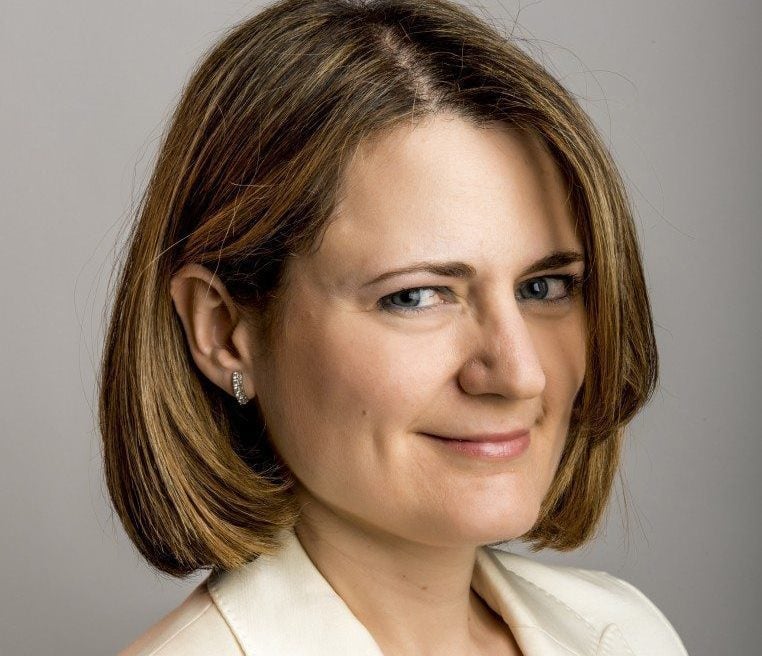



If you are looking for a kids life coach who speaks Greek and understands what it is like to raise children between two cultures, Katerina Papaioannou is a new member of Greek List worth knowing. This article is general information about what kids coaching is and how it is described by the people who do it. It is not medical or professional advice, and Katerina is a Greek List member.

The new school year is a few weeks old. The excitement of September has worn off, the evenings are getting darker, the clocks go back at the end of the month and half term is just around the corner. For many Greek families in the UK this is the point where daily routines, homework, screens and friendships all start to compete for attention, and where parents begin to ask how they can support their children better.
It is also a time when many of us are far from the grandparents, cousins and neighbours who would once have helped. Raising children in London, Manchester or Birmingham while holding on to Greek language and values is rewarding, and it can also feel like a lot to carry alone. That is one reason families look at the different kinds of support available, and why we wanted to introduce a Greek speaking kids life coach to our readers.
Coaching is a different thing from therapy or medical care. The International Coaching Federation (ICF), the global body that sets professional standards for coaches, describes coaching as “partnering with clients in a thought-provoking and creative process that inspires them”. In practice, a kids life coach works with children and teenagers through conversation and structured activities rather than diagnosis or treatment.
Katerina describes her work on her Greek List listing as specialised kids life coaching, guided by ICF standards, with a focus on emotional intelligence and the wellbeing of children and teenagers. Sessions are offered online, and she also runs social and emotional learning programmes. She says she works closely with parents and teachers too, so that the child’s support at home and at school points in the same direction.
Good to know: Katerina’s website mentions a free 30 minute introductory session, which you can book through her site. Check the details with her directly, as offers can change.
Katerina Papaioannou is a mentor and life coach whose website shows an ICF membership badge. She works with children, teenagers and adults, including parents and teachers, and offers individual sessions as well as course cycles for children. Her programme for kids is described as focusing on building self belief, setting goals, cooperation and independence. You can read more on her own website, which is in Greek.
Her Greek List listing also links to several Greek language articles she has written for parents. The titles give a good idea of what she cares about: screens and daily conflict at home, setting boundaries without shouting, building self confidence through small daily wins, what kids life coaching actually is, and the five common mistakes in everyday communication with children.
Without making any promises about results, these are the kinds of themes that Katerina writes about and that most parents will recognise at this time of year:
Screens and routines. Evenings with phones, tablets and games often end in an argument. Her article on children and screens looks at how to avoid the daily clash at home.
Boundaries. Rules are easier to follow when children understand them. Her piece on boundaries without raised voices is aimed at exactly this.
Confidence. Starting a new class, a new school or a new group of friends can be hard. She writes about confidence as something built through small everyday steps rather than big speeches.
Communication. Why does my child not listen? Her article on the five everyday communication mistakes starts from that question.
It is worth being clear about this. If you are worried about your child’s mental health, the first step in the UK is to speak to your GP or your child’s school. The NHS has a page of advice for parents covering topics such as talking to your child about feelings, anxiety in children, anger, and exam stress, and it explains where to get urgent help. A coach is not a replacement for a GP, a school SENCo or a mental health professional.
What coaching can be, for families who choose it, is an additional space for a child to talk, practise skills and be listened to in their own language. For Greek speaking children this can matter, since feelings are often easiest to explain in the language of home.
Katerina has a listing page on Greek List with her description, her articles and links to her website, Facebook and Instagram. Start there, read her articles and see whether her approach feels right for your family. Mention that you found her through Greek List when you make contact.
Meet the coach: Katerina Papaioannou Kids Life Coach. Online sessions, kids and teen coaching, emotional intelligence and wellbeing, Greek speaking. Open her Greek List listing.
Half term is a good time to slow down. A few ideas that cost nothing: agree one screen free hour together, let each child choose a family activity, and ask one open question at dinner, such as what was the best part of your day. If you want more ideas for the break, see our guide to half term in London for Greek families.
Looking for something to do with the family this month? Greek Events is the most complete list of Greek events in the UK, and listing your own event is free.
The businesses we feature are Greek List members. More than 100,000 Greeks and Cypriots in the UK read us every month through the website, the newsletter and the Ellines sto Londino group, and listings rank first on Google. Join them.
Have you tried coaching for your children, or do you have a question for other parents? Share it in our Facebook group Ellines sto Londino.